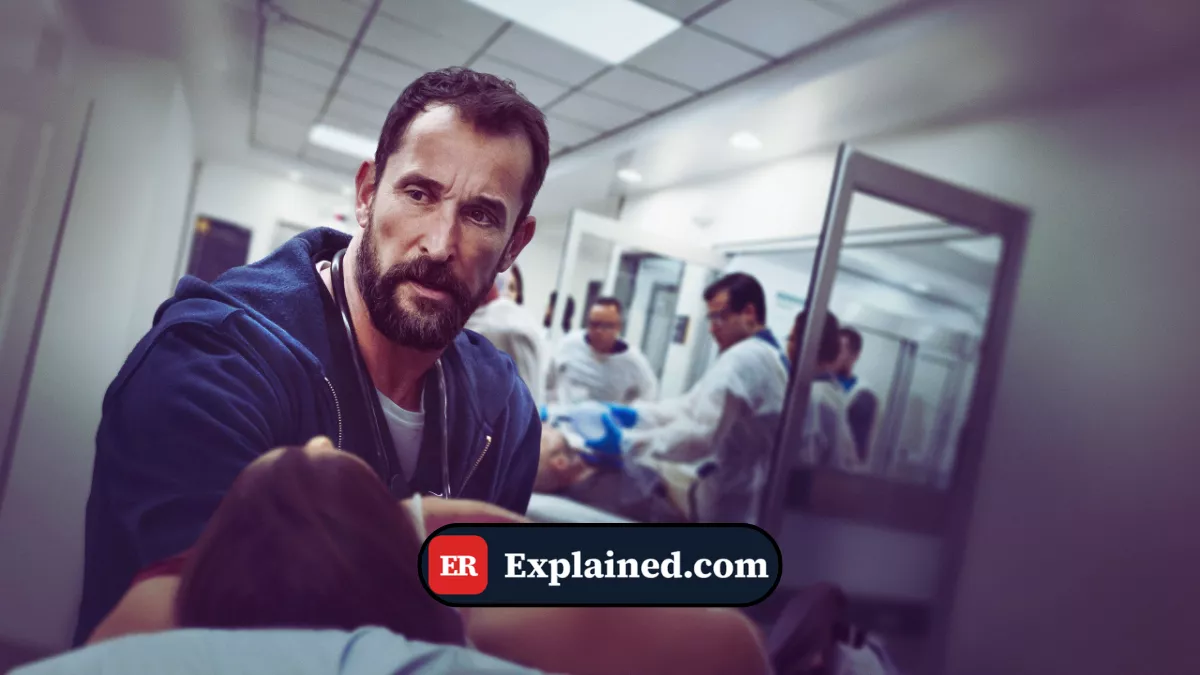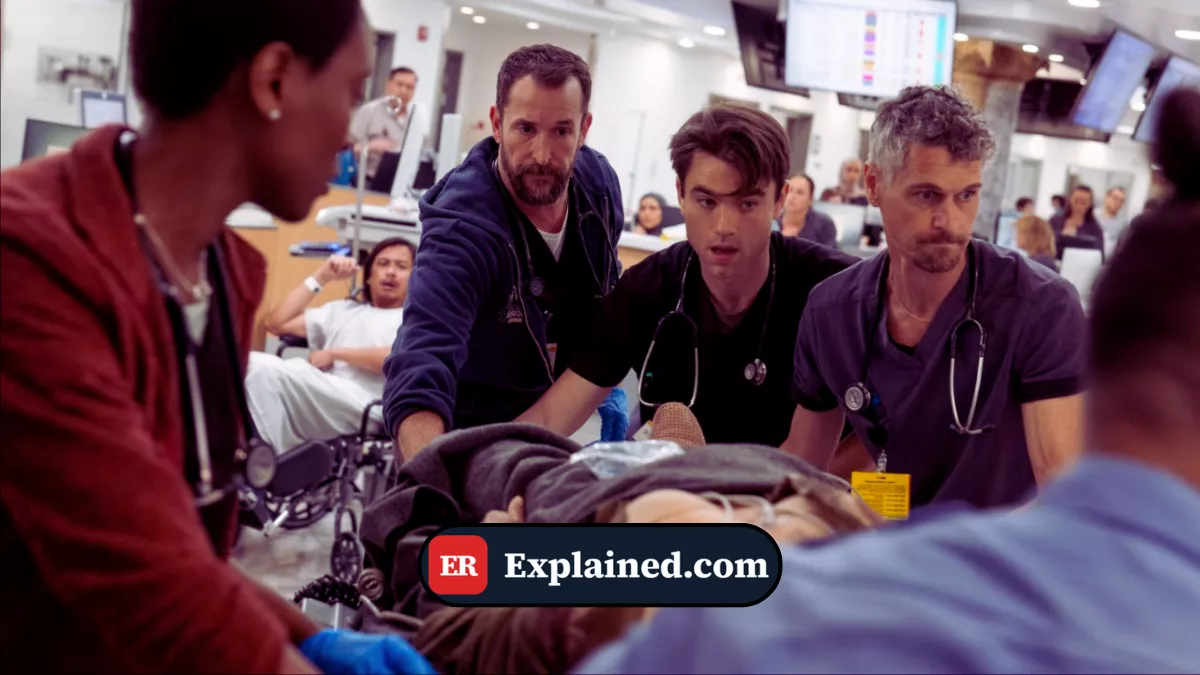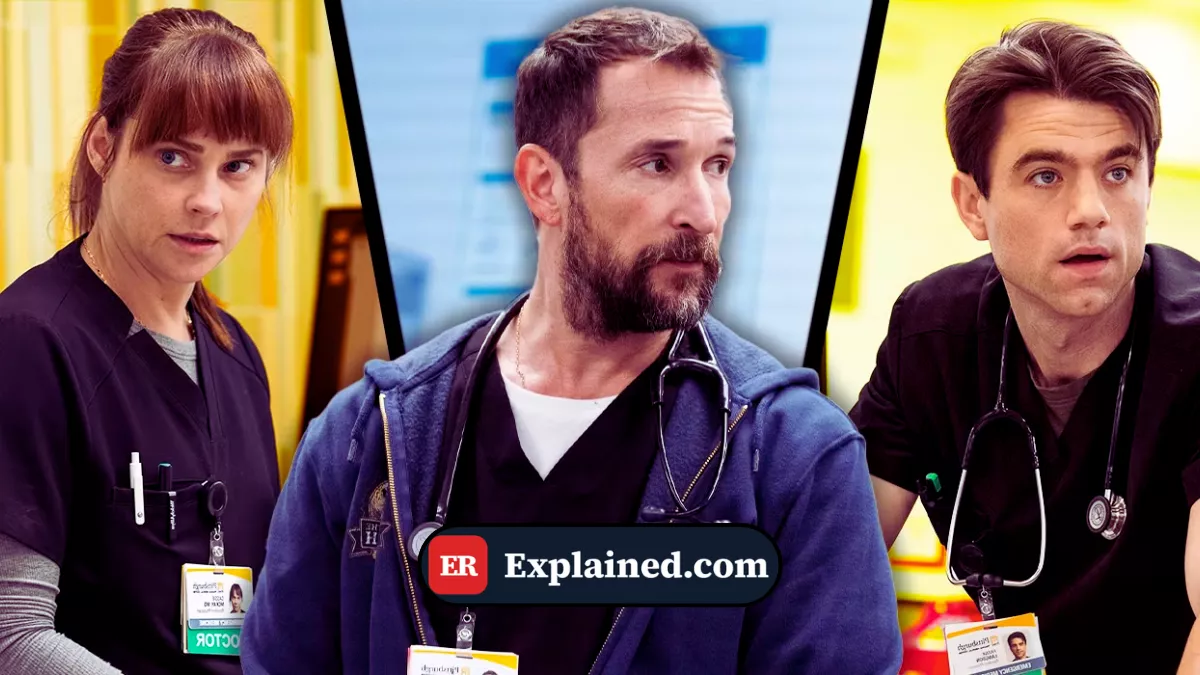
The Pitt — Episode 1-01, ER scene:
A patient is brought to the emergency department with fever of 102°C and infiltrate in the right middle lobe. The nurse assesses: 'Temp 102. Call a code sepsis.' The doctor explains: 'To make sure we check all the boxes. Federal government audits our sepsis bundle performance.'
What is Traumatic Brain Injury?
Traumatic brain injury (TBI) is an injury to the brain caused by physical trauma. As seen in 'The Pitt' Episode 1-01, the 'Good Samaritan' suffered TBI with temporal hematoma. Epidemiology shows that approximately 1.5 million people suffer TBI annually in the US. Appropriate emergency management is critical to prevent death and disability.
Causes & Clinical Context
TBI is caused by impact trauma to the head, including motor vehicle accidents, falls, assault, sports accidents. Risk factors include age, alcohol consumption, drug use. Complications include cerebral edema, increased intracranial pressure, neuronal death, permanent neurological sequelae.
Signs & Symptoms
Patients may present with headache, dizziness, confusion, amnesia, loss of consciousness, vomiting, seizures, dilated pupils. Signs of increased ICP include progressive headache, vomiting, altered mental status, bradycardia, hypertension.
Diagnosis
Diagnosis is confirmed by non-contrast computed tomography of the head. CT can show epidural hematoma, subdural hematoma, contusion, intraparenchymal hematoma, edema. Neurological assessment using Glasgow Coma Scale is essential.
Emergency Treatment
Management involves ensuring patent airway, assessing level of consciousness, obtaining urgent CT, monitoring vital signs, elevating head of bed, maintaining normothermia, avoiding hypoxia and hypotension, neurosurgery consultation if necessary.
Prognosis & Complications
Prognosis depends on initial severity, age, quality of management. Mortality rate in severe TBI is approximately 10-15%. Many survivors have permanent disability.
Frequently Asked Questions
Q: What is the difference between concussion and cerebral contusion?
A: Concussion is functional injury without structural damage visible. Contusion is structural injury with hematoma visible.
Q: What is the difference between epidural and subdural hematoma?
A: Epidural is between skull and dura mater. Subdural is between dura mater and brain. Subdural is more common and severe.
Q: What is the Glasgow Coma Scale?
A: GCS assesses eye, verbal, motor response, with score 3-15. Lower score indicates more severe injury.
Q: What is the treatment for increased intracranial pressure?
A: Includes head elevation, sedation, analgesia, hyperventilation, osmotic agents, surgery if necessary.
Conclusion
TBI is a neurological emergency requiring rapid assessment to prevent death and disability. As seen in 'The Pitt' Episode 1-01, team responded appropriately with urgent CT and neurological monitoring. Check out articles on Brain Injury, Head CT, Glasgow Coma Scale.
This content is for educational purposes only and does not substitute professional medical advice.