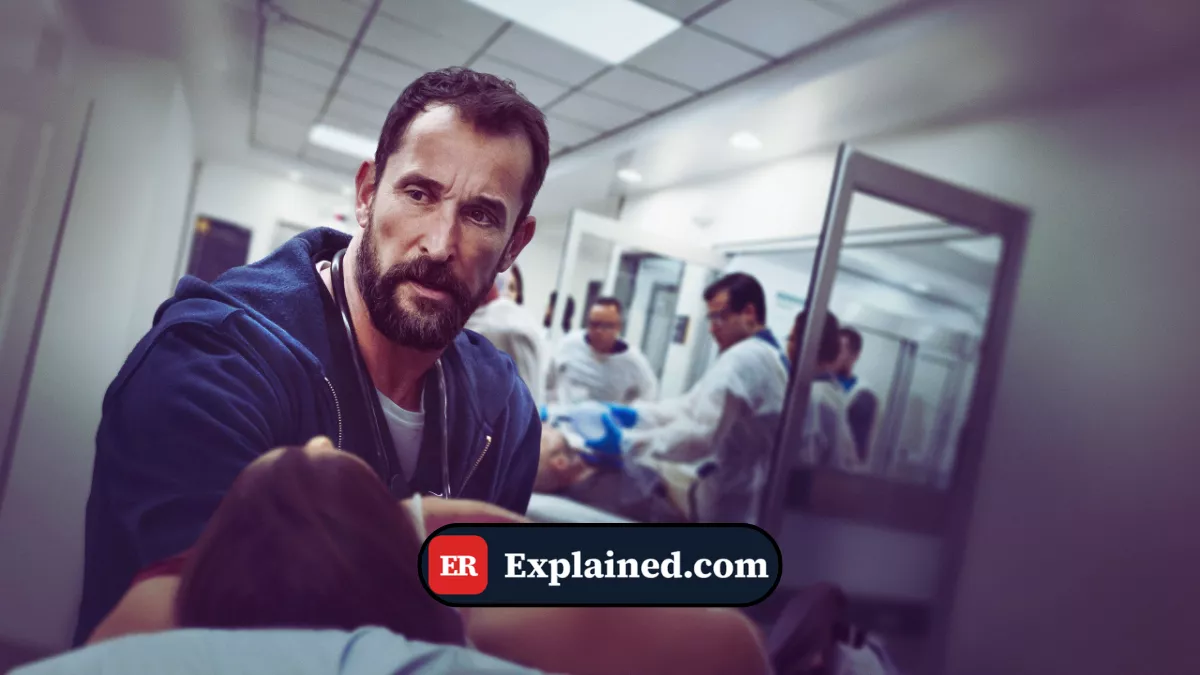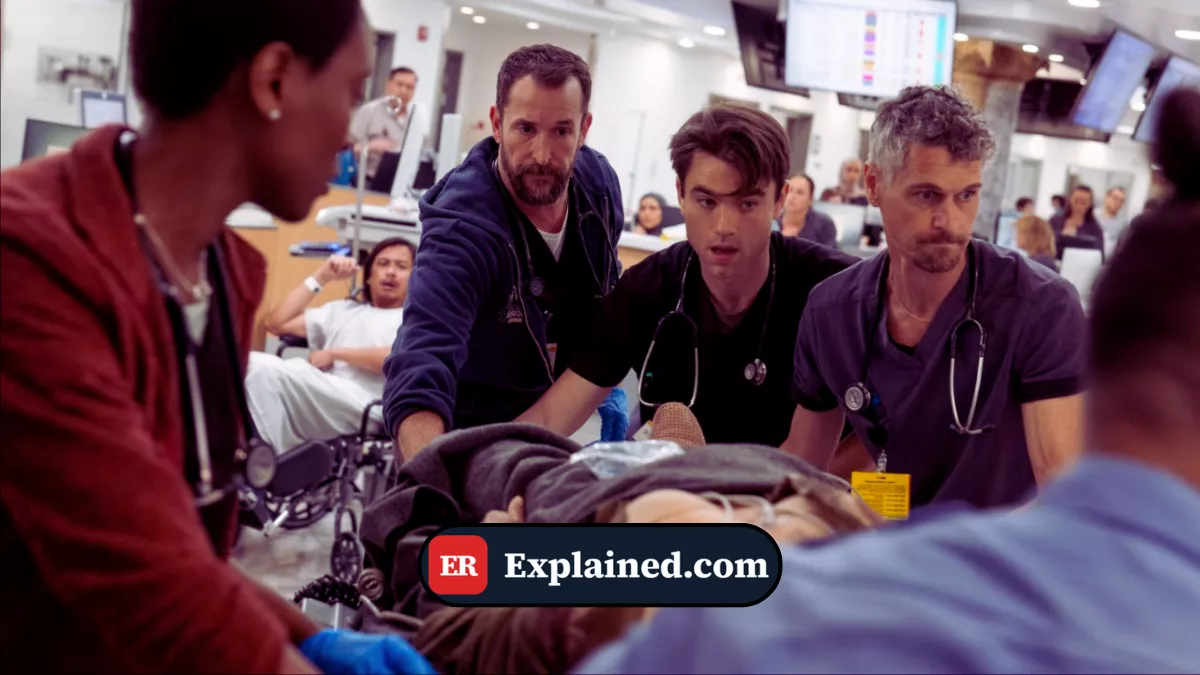
The Pitt — Episode 1-01, ER scene:
An elderly woman is brought in after being struck by a subway train. The team examines the wound: "De-gloving injury, right lower leg with open ankle fracture." The doctor assesses: "Deformed dislocation and fibula fracture. Nasty." The nurse prepares antibiotics: "Two grams of Cefazolin, 400 of gentamicin." The reduction procedure begins while the team collects culture samples from the open wound.
What is De-gloving Injury with Open Fracture?
De-gloving injury is a severe traumatic injury in which skin and soft tissues are separated from underlying tissue, leaving an open wound that exposes deep structures such as bone, tendon, and blood vessels. When combined with open fracture (compound fracture), the injury is even more serious because the fractured bone pierces the skin, creating an entry point for infection. Open fracture is classified into three types: Type I (small wound, minimal contamination), Type II (moderate wound, moderate contamination), and Type III (large wound, severe contamination, possible tissue loss). De-gloving injuries with open fractures are orthopedic emergencies requiring urgent surgical intervention to prevent infection, loss of function, and even amputation.
Causes & Clinical Context
De-gloving injuries with open fractures are typically caused by high-energy trauma, such as motor vehicle accidents, being struck by vehicles or trains, industrial machinery, or falls from height. As seen in "The Pitt" Episode 1-01, the patient was struck by a subway train, causing complete de-gloving of the foot and ankle with open fracture. These injuries are particularly common in lower extremities due to their exposure and vulnerability. Epidemiology shows that open fractures occur in approximately 10-15% of all fractures, with significant mortality and morbidity rates. Complications include infection (osteomyelitis, sepsis), loss of function, amputation, and death. Appropriate emergency management is critical to preserve limb and function.
Signs & Symptoms
Patients with de-gloving injury and open fracture present with obvious signs and symptoms of severe trauma. Symptoms include severe pain, visible deformity, open wound with exposure of bone or deep tissue, bleeding, progressive edema, and shock (in severe cases). There may be loss of sensation distal to injury if nerves are damaged. Signs of shock include tachycardia, hypotension, cold and clammy skin, and altered mental status. Rapid assessment of limb viability is essential to determine whether preservation or amputation is appropriate.
Diagnosis
Diagnosis of de-gloving injury with open fracture is clinical, based on direct physical examination of the wound. X-rays are obtained to assess extent of fracture, presence of foreign bodies, and bone displacement. Computed tomography may be necessary to assess complex soft tissue injuries. Vascular assessment is critical to determine distal perfusion and limb viability. Sensory and motor testing should be documented to assess nerve injury. Photography of the wound is important for documentation and surgical planning.
Emergency Treatment
Management of de-gloving injury with open fracture in emergencies involves several critical steps. First, control bleeding with direct compression and elevation. Second, initial wound cleaning with sterile saline to remove obvious contamination. Third, administration of broad-spectrum antibiotics (Cefazolin 2g IV plus Gentamicin) within 3 hours of injury to prevent infection. Fourth, tetanus prophylaxis if needed. Fifth, vascular and neurological assessment. Sixth, temporary wound coverage with sterile gauze. Seventh, urgent orthopedic surgery consultation for planning debridement and reduction. Adequate analgesia is essential.
Prognosis & Complications
Prognosis of de-gloving injury with open fracture depends on injury severity, time to treatment, and quality of initial management. Potential complications include infection (osteomyelitis, sepsis), loss of function, amputation, death, and psychological sequelae. Infection rate in open fractures is approximately 5-30% depending on type. Limb loss is necessary in 5-10% of cases, especially Type III. Long-term rehabilitation is often necessary even in successful cases. Appropriate emergency management, early antibiotics, and urgent surgical debridement significantly reduce complications.

Frequently Asked Questions
Q: What is the difference between open fracture and closed fracture?
A: Open (compound) fracture has a wound that communicates with the fractured bone, creating infection risk. Closed fracture has no external wound and has lower infection risk.
Q: Why are antibiotics so important in open fracture?
A: Early antibiotics (within 3 hours) significantly reduce risk of bone infection (osteomyelitis) and sepsis, which can lead to amputation or death.
Q: What is the time limit for surgery in open fracture?
A: Surgical debridement should be performed within 6-8 hours of injury for best prognosis. Delay increases infection risk and complications.
Q: Does de-gloving injury always result in amputation?
A: No. With appropriate management, many limbs can be saved. Amputation is considered when there is irreversible vascular loss or uncontrollable infection.
Conclusion
De-gloving injury with open fracture is a serious orthopedic emergency requiring rapid and coordinated management to preserve limb and function. As seen in "The Pitt" Episode 1-01, the ER team responded appropriately with antibiotics, surgical preparation, and supportive care. Understanding its presentation, diagnosis, and initial management is fundamental for emergency healthcare professionals. For emergencies, call 911 or go to the nearest emergency department. Check out our articles on Open Fractures, Surgical Debridement, and Emergency Antibiotics for complementary information.
This content is for educational purposes only and does not substitute professional medical advice. Always consult a qualified physician for diagnosis and treatment of any medical condition.