The Disguised Killer
"We now know that his abdominal pain was not from his gallstones but from unstable angina due to coronary artery disease." — Emergency Room
In emergency medicine, chest pain is the complaint that keeps doctors awake at night. The challenge is distinguishing between harmless heartburn, a pulled muscle, and the onset of a cardiac catastrophe.
One of the most treacherous diagnoses is Unstable Angina. It is a dangerous condition because it frequently hides behind atypical symptoms (like abdominal pain or nausea) and blood tests that look perfectly normal.
Unstable angina is not a heart attack—yet. It is the heart's desperate scream warning that a massive infarction is imminent.
The Physiology of the Near-Blockage
To understand unstable angina, we must look at the heart's plumbing: the coronary arteries.
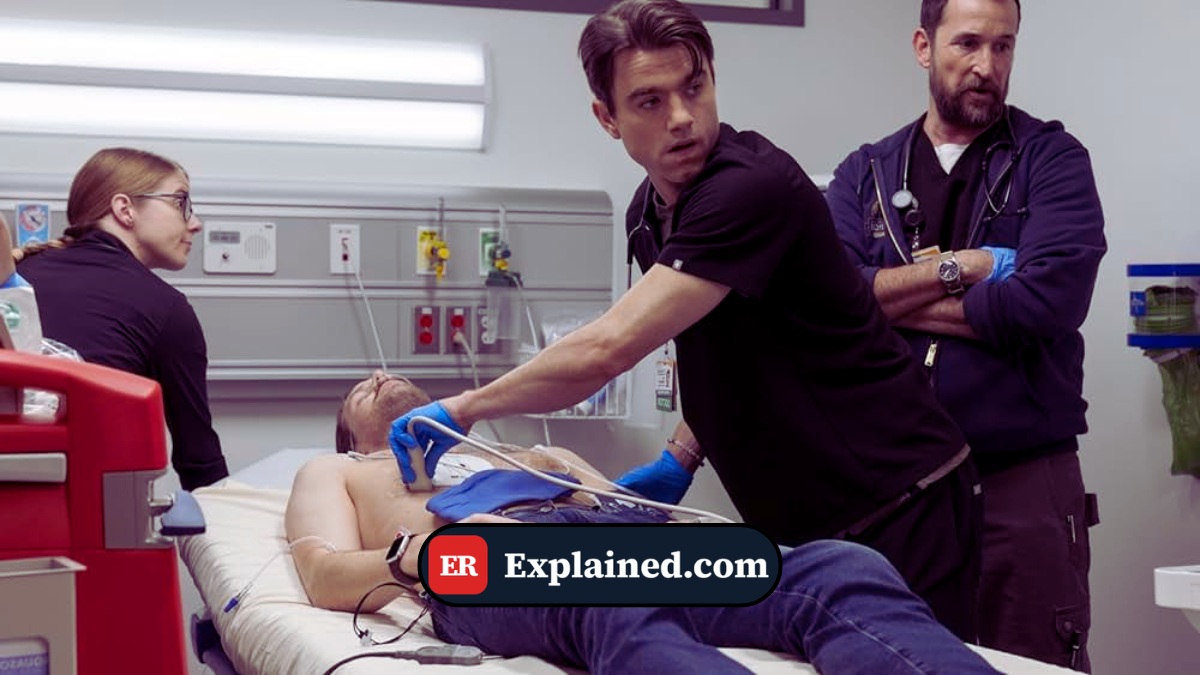
Over years of poor diet, smoking, or genetics, cholesterol plaques build up on the walls of these arteries. The process occurs in three stages:
- Stable Angina: The artery is 70% blocked. The patient feels chest pain only when running or climbing stairs (when the heart needs more blood). The pain goes away with rest. It is predictable.
- Unstable Angina: The cholesterol plaque ruptures. A blood clot forms and blocks 90% to 99% of the artery. The patient feels chest pain even while sitting and watching TV. The pain is unpredictable, lasts longer, and does not improve with rest.
- Myocardial Infarction (Heart Attack): The clot blocks 100% of the artery. The heart muscle begins to die.
Unstable angina is stage 2. The heart muscle is suffocating from a lack of oxygen (ischemia), but the cells have not yet begun to die irreversibly.
The Diagnostic Challenge in the ER
Diagnosing a full-blown heart attack (STEMI) is easy: the electrocardiogram (ECG) shows massive distorted lines. Diagnosing a minor heart attack (NSTEMI) is also straightforward: the troponin blood test (a protein that leaks from dead heart cells) comes back positive.
Unstable angina is the doctor's nightmare because:
- The ECG is frequently perfectly normal.
- The troponin blood test is negative (because the muscle is suffocating, but not dead yet).
- The symptoms can be vague, such as indigestion, jaw pain, or shortness of breath.
Doctors must rely on the patient's history. If the pain is new, worsening, or occurs at rest, they must treat it as a cardiac emergency, regardless of normal tests.
The HEART Score and Treatment Protocol
To decide who goes home and who gets admitted, doctors use the HEART Score, which evaluates History, ECG, Age, Risk factors, and Troponin.
If the doctor suspects unstable angina, aggressive treatment begins immediately to prevent the 99% blockage from becoming 100%:
- Antiplatelets: Aspirin and Clopidogrel (Plavix) to stop platelets from making the clot bigger.
- Anticoagulants: Intravenous Heparin to thin the blood and stabilize the existing clot.
- Vasodilators: Sublingual or IV Nitroglycerin to open the vessels and let blood past.
- Beta-Blockers: To slow the heart rate down, reducing the heart's need for oxygen.
The patient is then admitted to the cardiology unit for a stress test or a preventative coronary catheterization.
Frequently Asked Questions (FAQ)
What is the difference between cardiac pain and muscle pain?
Muscle (musculoskeletal) pain usually gets worse when you press on your chest with a finger, take a deep breath, or twist your torso. Cardiac pain (angina) generally does not change with breathing or movement; it is frequently described as a deep heaviness, tightness, or burning under the breastbone, frequently radiating to the left arm or jaw.
Why are stomach problems confused with the heart?
The esophagus, stomach, and heart share the same complex nerve network (the vagus nerve and cardiac plexuses). When the heart suffers ischemia, the brain frequently misinterprets the signal, thinking the pain is coming from the stomach. This is especially common in infarctions of the inferior wall of the heart, which rests directly on the diaphragm and stomach.
Can unstable angina cause sudden cardiac arrest?
Yes. Even though the heart muscle has not died, severe ischemia (lack of oxygen) irritates the heart's electrical system. This can trigger lethal arrhythmias, such as Ventricular Fibrillation, where the heart suddenly stops pumping and begins to quiver, resulting in sudden death in seconds.
Conclusion
Unstable angina is a ticking time bomb. It is the last chance medicine has to intervene before permanent damage is done to the heart. For emergency doctors, it requires a high index of clinical suspicion, remembering that normal tests do not rule out lethal coronary disease. For patients, the lesson is clear: new or worsening chest pain at rest should never be ignored.
This content is for educational and informational purposes only. It does not replace professional medical advice, diagnosis, or treatment. In case of a medical emergency, call 911/EMS immediately or go to the nearest emergency room.
References: [1] American Heart Association (AHA): Unstable Angina [2] StatPearls: Unstable Angina [3] American College of Cardiology (ACC): NSTEMI and Unstable Angina Guidelines [4] UpToDate: Initial evaluation and management of suspected ACS