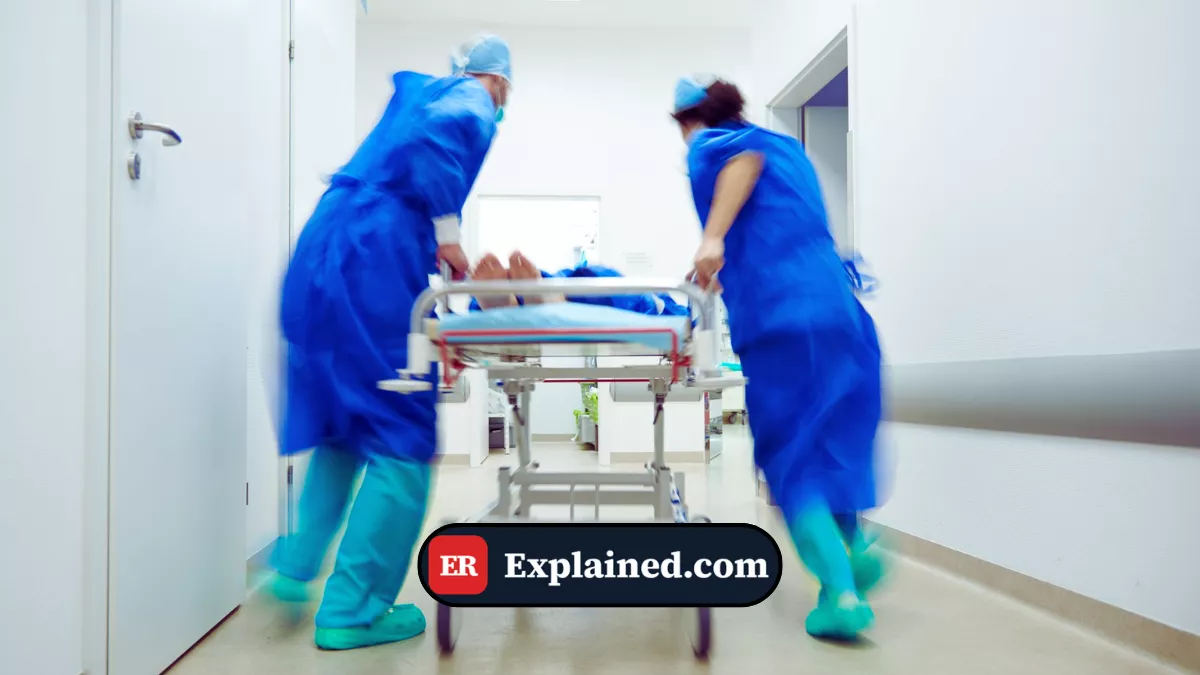
A Modern Epidemic in the ER
"We ran the labs. Your son tested positive for THC. It's the active ingredient in marijuana. Where could he have gotten that?" — Emergency Room
With the widespread legalization and commercialization of marijuana in many places, pediatric emergency rooms have seen an explosive increase in a specific condition: Pediatric Cannabis Intoxication.
Unlike the smoked marijuana of past decades, the modern threat comes in the form of "edibles"—gummies, chocolates, cookies, and brownies that frequently look identical to normal candy but contain massive concentrations of THC (Tetrahydrocannabinol).
For an 80 kg adult, a 10 mg gummy might cause mild relaxation. For a 15 kg toddler who eats the whole bag thinking it's candy, it is a severe neurological overdose.
The Physiology of Pediatric Intoxication
A child's developing brain reacts very differently to THC than an adult's brain. Furthermore, the metabolism of edibles creates a dangerous "time bomb."

- Delayed Absorption: When THC is eaten, it must pass through the stomach and liver before hitting the bloodstream. This means symptoms frequently do not start until 1 to 2 hours after the child eats the candy.
- The Liver Effect: The liver converts Delta-9-THC into 11-Hydroxy-THC, a metabolite that is much more potent and crosses the blood-brain barrier much more easily.
- Neurological Overload: The child does not just get "high." Their central nervous system becomes depressed to dangerous levels.
Symptoms: How the Intoxication Presents
Children rarely present with the euphoria or hunger associated with adult use. Instead, they frequently arrive at the ER looking like they have a severe brain infection or a stroke.
Classic symptoms include:
- Severe Lethargy: The child is extremely difficult to wake up or appears "floppy" like a ragdoll.
- Ataxia: Inability to walk straight, stumbling, or falling over.
- Tachycardia: The heart beats excessively fast (frequently over 150 bpm).
- Respiratory Depression: In severe cases of massive doses, the child may stop breathing adequately, requiring intubation and a Mechanical Ventilator.
- Seizures: Although rare in adults, high doses of THC can trigger seizures in the developing pediatric brain.
Treatment and ER Management
The challenge of treatment is that there is no antidote for THC (unlike Narcan for opioids). Treatment is entirely focused on supportive care until the child's body processes the drug.
- Toxicology Screens: A rapid urine drug screen frequently confirms the diagnosis, saving the child from unnecessary CT scans or painful spinal taps to rule out meningitis.
- Continuous Monitoring: The child is hooked up to cardiac and oxygen monitors. Heart rate and breathing are watched closely.
- Intravenous Fluids: To maintain blood pressure and help flush the kidneys.
- Activated Charcoal: If the child arrives at the ER shortly after eating the candy (before it is absorbed), doctors might give activated charcoal to bind the THC in the stomach, though this is rare due to the delayed symptoms.
Most children require hospital admission, frequently to the Pediatric ICU, for overnight observation. Symptoms can last anywhere from 12 to 24 hours.
Frequently Asked Questions (FAQ)
Can marijuana intoxication kill a child?
Direct deaths purely from THC toxicity are extremely rare. The real danger comes from secondary complications: the child might vomit while unconscious and aspirate the vomit into their lungs (causing lethal pneumonia), or respiratory depression could cause a lack of oxygen (anoxic brain injury). This is why hospital monitoring is vital.
Why do parents frequently lie about it in the ER?
Fear of legal repercussions or Child Protective Services (CPS) involvement frequently causes parents to deny that marijuana was in the house. Emergency doctors stress: "We are not the police. Our only goal is to save your child. Telling the truth immediately saves the child from invasive, painful medical tests to figure out what is wrong."
How can this be prevented?
Prevention is the only cure. Cannabis products must be treated with the same level of security as prescription painkillers or bleach: locked in child-proof boxes, out of reach and out of sight, and never left on counters or in open purses.
Conclusion
Pediatric cannabis intoxication is a growing and terrifying problem for parents and doctors alike. What is a harmless recreational drug for an adult is a potent neurotoxin for a 3-year-old. In the emergency room, the focus is on respiratory support and patience, allowing the tiny body to process the drug while keeping them safe.
This content is for educational and informational purposes only. It does not replace professional medical advice, diagnosis, or treatment. In case of a medical emergency, call 911/EMS immediately or go to the nearest emergency room.
References: [1] American Academy of Pediatrics (AAP): Pediatric Edible Cannabis Exposures [2] Centers for Disease Control and Prevention (CDC): Cannabis Poisoning [3] StatPearls: Cannabis Toxicity [4] UpToDate: Cannabis (marijuana): Acute intoxication