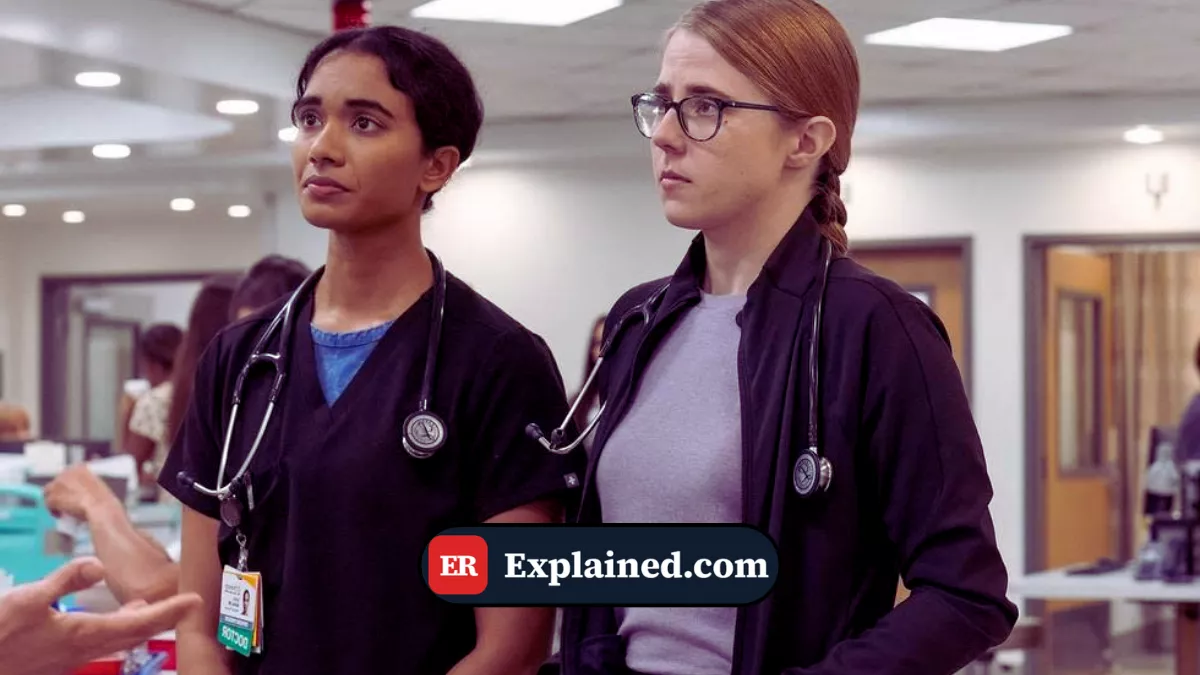
The Pitt — Episode 2, ER scene:
"Pupils responded to Narcan, but we tubed him when his respirations didn't pick up." — Dr. Robby
"If it was just opiates with Narcan, he'd be breathing on his own." — Dr. Collins
The rapid administration of Narcan (naloxone) is often the thin line between life and death in emergency rooms worldwide. However, as illustrated in the case of young Nick in The Pitt, the clinical response to the medication can be complex and does not always result in an immediate recovery of autonomic respiratory function. This reality highlights the importance of continuous assessment and readiness for advanced interventions, such as endotracheal intubation.
What is Narcan (Naloxone)?
Narcan, whose active ingredient is naloxone, is a pure opioid receptor antagonist. It works by competing with opioids for the same receptor sites in the central nervous system, with a significantly higher binding affinity. When administered, Narcan rapidly displaces opioid molecules (such as fentanyl, heroin, morphine, or oxycodone) from their receptors, immediately reversing the depressant effects, especially respiratory depression and profound sedation. Naloxone has no intrinsic agonist activity; meaning, in the absence of opioids in the system, it produces no significant pharmacological effects. Its action is remarkably fast, with an onset of effect in 1 to 2 minutes when administered intravenously (IV) and in 2 to 5 minutes via intramuscular (IM), subcutaneous (SC), or intranasal (IN) routes. The short half-life of naloxone (approximately 30 to 81 minutes) requires rigorous monitoring, as the effects of long-acting opioids may return after the antidote is metabolized, a phenomenon known as re-narcotization.
Causes & Clinical Context
The use of Narcan is primarily indicated in scenarios of suspected or confirmed opioid overdose, a global public health crisis driven by the proliferation of highly potent synthetic drugs like fentanyl. In the clinical emergency context, naloxone is administered to patients presenting the classic triad of opioid overdose: respiratory depression (reduced respiratory rate or agonal breathing), miosis (pinpoint pupils), and decreased level of consciousness (profound lethargy or coma). In addition to accidental or intentional overdoses from illicit substance use, Narcan is also used in hospital settings to reverse excessive sedation or iatrogenic respiratory depression resulting from the therapeutic use of opioids during surgical procedures, severe pain control, or palliative care. The presence of fentanyl in counterfeit pills (such as fake Xanax or Adderall) has drastically increased the incidence of overdoses in populations who do not suspect they are consuming opioids, as seen in the patient Nick's case.
Signs & Symptoms
The clinical indication for Narcan administration is based on the rapid identification of signs of opioid toxicity. The most critical and potentially fatal symptom is respiratory depression, characterized by bradypnea (respiratory rate less than 12 breaths per minute in adults), shallow breathing, apnea, or Cheyne-Stokes respiration. The resulting hypoxia can quickly lead to cyanosis (bluish or purplish discoloration of the lips and nail beds), anoxic brain damage, and cardiac arrest. Other classic signs include severe miosis (although extreme hypoxia can cause secondary pupillary dilation), bradycardia (abnormally low heart rate), hypotension, and muscle flaccidity. The patient typically presents an absence of response to verbal and painful stimuli. In cases of overdose by potent synthetic opioids, chest wall rigidity ("wooden chest syndrome") can occur, which severely impairs ventilation and requires higher doses of naloxone or neuromuscular blockers for resolution.
Diagnosis
The diagnosis of an opioid overdose in the emergency department is eminently clinical and based on the presentation of the aforementioned symptoms, often corroborated by the empirical response to naloxone administration. The rapid reversal of respiratory depression and coma following the Narcan dose is considered diagnostic. Urine toxicology screens, like the one performed on Nick to detect fentanyl, are useful for confirming the substance involved, but the results take time and should never delay therapeutic intervention. Arterial blood gas analysis is frequently requested to assess the severity of hypoxemia and respiratory acidosis (CO2 retention). Imaging studies, such as computed tomography (CT) of the head and chest radiography, may be necessary to rule out other causes of coma (such as traumatic brain injury, intracranial hemorrhage, or stroke) or complications associated with the overdose, such as noncardiogenic pulmonary edema or aspiration pneumonia.
Emergency Treatment
The immediate treatment of opioid overdose focuses on restoring adequate ventilation and oxygenation. Basic life support, including airway opening and bag-valve-mask (Ambu) ventilation, should be initiated simultaneously with the preparation of Narcan. The initial naloxone dosage varies depending on the route of administration and the severity of respiratory depression. The standard IV dose in adults is 0.4 to 2 mg, which can be repeated every 2 to 3 minutes until spontaneous ventilation is restored. If there is no response after the administration of a total of 10 mg of naloxone, the diagnosis of exclusive opioid toxicity should be questioned, and other causes of coma should be investigated (such as co-ingestion of central nervous system depressants like benzodiazepines or alcohol, or severe hypoxic brain injury). In patients with suspected physical dependence on opioids, smaller doses (0.04 to 0.1 mg) are often carefully titrated to reverse respiratory depression without precipitating a severe acute withdrawal syndrome, which can cause extreme agitation, vomiting, tachycardia, and hypertension. For more information on airway management, see our article on Endotracheal Intubation.
Prognosis & Complications
The prognosis following Narcan administration is generally excellent if the intervention is early, before the occurrence of anoxic brain damage or cardiac arrest. However, the risk of complications is significant. The most immediate complication is re-narcotization, due to the short half-life of naloxone compared to most opioids. Patients must be continuously observed for at least 2 to 4 hours after the last dose of Narcan. In cases of overdose by long-acting opioids (like methadone) or large doses of fentanyl, a continuous naloxone infusion may be necessary. Other complications include naloxone-induced pulmonary edema (although rare, it can be severe), precipitation of acute withdrawal syndrome (which can lead to cardiovascular complications in susceptible patients), and secondary injuries to prolonged hypoxia, as demonstrated by the loss of brainstem function in the case of patient Nick. The co-ingestion of other substances can mask recovery and complicate the clinical picture, requiring ongoing intensive support, including possible mechanical ventilation, as detailed in our post about Mechanical Ventilator.
Frequently Asked Questions
Can Narcan cause addiction?
No, naloxone has no potential for abuse or addiction. It acts only by blocking opioid receptors and does not produce euphoric or depressant effects.
What happens if Narcan is given to someone who hasn't used opioids?
If the person has no opioids in their system, Narcan will have no significant clinical effect. It is safe to administer in cases of suspected overdose, even if the diagnosis is not confirmed.
Why might a patient need more than one dose of Narcan?
Many opioids, especially synthetics like fentanyl, have a much longer duration of action than Narcan (which lasts about 30 to 90 minutes). When the effect of Narcan wears off, the residual opioid can rebind to the receptors, causing re-narcotization and requiring additional doses.
Does Narcan treat overdoses from other drugs, like cocaine or alcohol?
No. Narcan is specific for reversing the effects of opioids. It has no efficacy against overdoses of stimulants (cocaine, methamphetamine), benzodiazepines, alcohol, or other non-opioid substances.
Conclusion
Narcan (naloxone) is a critical, life-saving intervention in the emergency medicine arsenal for the treatment of opioid overdoses. The rapid reversal of respiratory depression is essential to prevent irreversible brain damage and death. However, clinical management requires rigorous vigilance due to the risk of re-narcotization and the frequent need for advanced ventilatory support. To deepen your knowledge of respiratory emergencies, explore our articles on Airway Management and Respiratory Arrest in the Emergency Scenarios category.
This content is for educational and informational purposes only. It does not replace professional medical advice, diagnosis, or treatment. In case of a medical emergency, call 911/EMS immediately or go to the nearest emergency room.
References: [1] PubMed: Naloxone in Opioid Overdose [2] UpToDate: Acute opioid intoxication in adults [3] ACEP: Opioid Emergency Management [4] WHO: Opioid Overdose