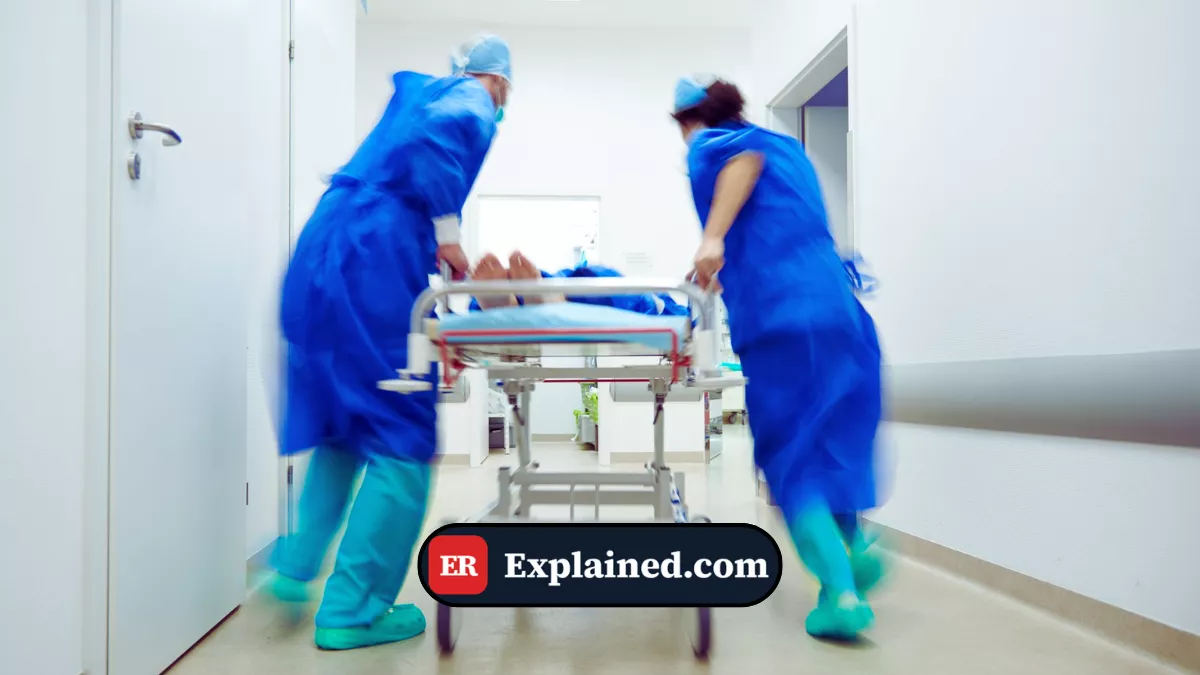
The Pitt — Episode 2, ER scene:
"The kid going to make it? Didn't he respond to Narcan? I think his pinpoint pupils just grew into blown pupils from brainstem death... We don't know how long he was at home without breathing." — Dr. RobbyOne of the darkest and most difficult moments in emergency medicine is dealing with the irreversible consequences of a lack of oxygen to the brain. The case of Nick Bradley in Episode 2 of The Pitt tragically illustrates how an opioid overdose, even when the heart keeps beating, can lead to a fatal anoxic brain injury, culminating in brain death (death of the brainstem).
What is Anoxic Brain Injury?
Anoxic brain injury occurs when the brain is completely deprived of oxygen (anoxia). The human brain is the most sensitive organ in the body to a lack of oxygen. Although it accounts for only about 2% of body weight, it consumes about 20% of the body's oxygen and glucose. Brain cells (neurons) do not store oxygen and begin to die within minutes (usually 4 to 6 minutes) after the supply is cut off. In Nick's case, ingesting fentanyl caused severe respiratory depression (he stopped breathing). Although his heart continued to beat slowly (bradycardia), the blood it pumped was not oxygenated. This prolonged period of "not breathing at home" resulted in massive neuronal death, particularly in the most vulnerable and crucial areas, such as the cortex and brainstem.The Progression to Brain Death
Brain death is the complete and irreversible loss of all brain function, including the brainstem. The brainstem is the lower part of the brain that connects to the spinal cord; it controls the body's automatic vital functions, such as breathing, blood pressure, and basic reflexes. The clinical progression seen in Nick is medically accurate: 1. **Initial Phase (Pinpoint Pupils):** Acute opioid intoxication causes miosis (very small pupils). 2. **Injury Phase (No response to pain, GCS 3):** The patient enters a deep coma (Glasgow Coma Scale 3, the lowest score). 3. **Terminal Phase (Blown Pupils):** As brain cells die, they swell (cerebral edema). The skull is a rigid box, so the swelling increases intracranial pressure. This pressure crushes the brainstem (herniation). The third cranial nerve, which controls pupillary constriction, is paralyzed. The result is widely dilated and fixed ("blown") pupils, a classic and ominous sign of brainstem death.Diagnosis and ER Testing
The diagnosis of brain death is a rigorous and standardized process, as it has definitive legal and ethical implications. In the emergency room, doctors perform clinical tests to assess the absence of brainstem reflexes: - **Pupillary Light Reflex:** Shining a light in the eyes (Nick's pupils did not react; they were "blown"). - **Corneal Reflex:** Touching the eye with a cotton swab to see if the patient blinks. - **Oculocephalic Reflex (Doll's Eyes):** Turning the head rapidly; a patient with an intact brainstem will have their eyes move in the opposite direction. - **Oculovestibular Reflex (Ice Water Caloric Test):** As mentioned in the episode ("No eye movement with ice water"), ice water is injected into the ear. An intact brainstem would cause eye movement toward the tested ear. The absence of movement confirms severe damage. - **Apnea Test:** The final test to see if the patient has any respiratory drive of their own when disconnected from the ventilator (Nick did not, which is why he was tubed). To understand more about the advanced respiratory support needed to keep organs viable, read our article on Airway Management.The Physician's Role and Family Communication
When the damage is anoxic and extensive, there is no medical or surgical treatment that can reverse the death of brain cells. The focus shifts from saving the patient to organ support (often aiming for organ donation) and compassionate care for the family. The scene where Dr. Robby speaks with Nick's parents is a prime example of breaking bad news in medicine. He uses clear language ("He's not breathing on his own"), avoids false hope, and prepares the family for the worst, while allowing them to spend time with their son. It is a reminder that the ER doctor's job frequently involves managing death and grief with the same skill as they manage resuscitation.
Frequently Asked Questions
What is the difference between a coma and brain death?
In a coma, the patient is unconscious, but the brain still has electrical activity and the brainstem still functions (the patient often breathes on their own or has basic reflexes). In brain death, there is no brain activity, the damage is irreversible, and the patient is legally and clinically considered dead, even if machines keep the heart beating.Why didn't Narcan save Nick's brain?
Narcan removes the opioid from the receptors, allowing the person to breathe again. However, if the patient was not breathing for too long *before* receiving Narcan, the brain has already died from a lack of oxygen. The antidote cannot resurrect dead brain cells.What are "blown pupils"?
These are pupils that are fully dilated (large) and do not shrink when a light is shined into them. It is a strong indicator that there is severe pressure in the brain and grave damage to the brainstem.Conclusion
Anoxic brain injury secondary to respiratory arrest is one of the most devastating consequences of the opioid epidemic. Nick's case in The Pitt demonstrates the harsh biological reality: the brain does not tolerate a lack of oxygen. Recognizing the signs of brainstem death and communicating empathetically with the family are fundamental skills for any emergency physician. To learn more about the medications involved in this type of crisis, see our article on Narcan (Naloxone).This content is for educational and informational purposes only. It does not replace professional medical advice, diagnosis, or treatment. In case of a medical emergency, call 911/EMS immediately or go to the nearest emergency room.
References: [1] UpToDate: Hypoxic-ischemic brain injury [2] AAN: Brain Death Guidelines [3] PubMed: Diagnosis of Brain Death