The Impaled Object
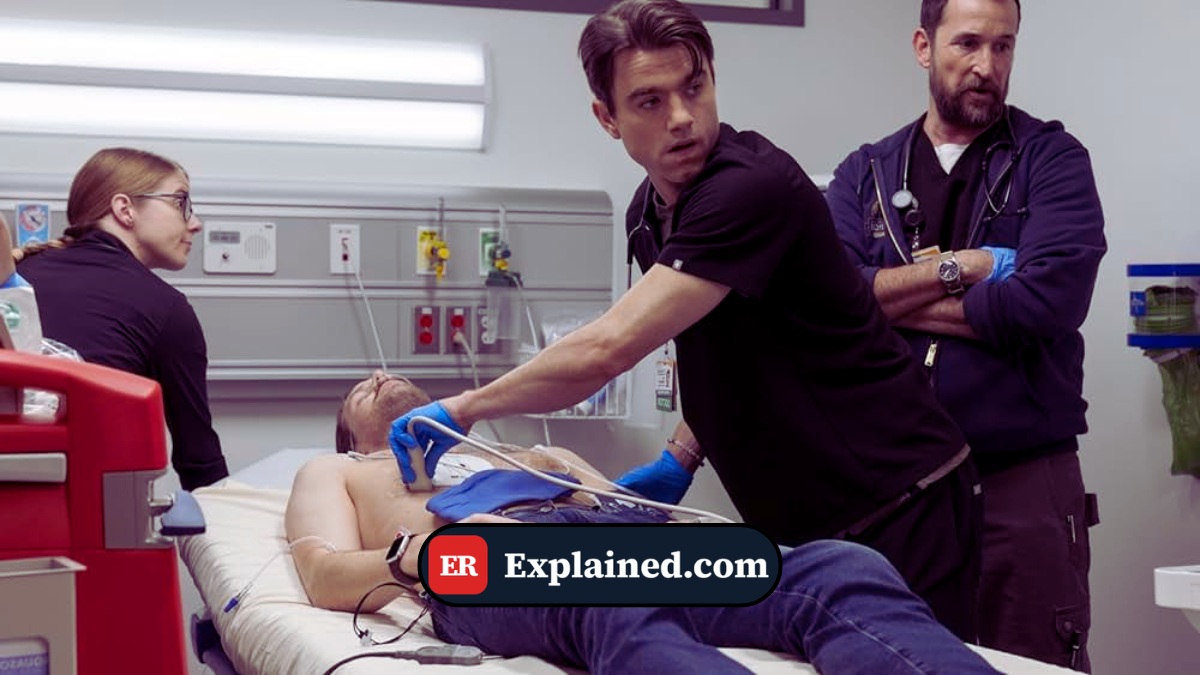
"Framing nail incident with deep penetration of the left chest. Definitely intracardiac. Just pull the fucking nail out! That would definitely kill you." — Emergency Room
One of the most absolute, unbreakable rules of pre-hospital and emergency trauma medicine is: never remove an impaled object in the field.
Whether it is a knife, a piece of rebar, or, as frequently seen in construction accidents, a nail fired from a pneumatic gun directly into the chest. If the object has pierced the heart or a major blood vessel, the object itself is acting as a plug.
It is sealing the hole it created. Pulling it out outside of an operating room will result in massive hemorrhage, exsanguination (bleeding to death) within seconds, and certain death.
The Anatomy of Cardiac Trauma
The heart sits in the center of the chest, slightly favoring the left, protected by the sternum and ribs. When an object penetrates this armor, the right ventricle is the most frequently injured chamber, as it forms the front (anterior) surface of the heart.

However, injuries to the left ventricle (the high-pressure chamber that pumps blood to the entire body) are frequently more lethal.
When the heart is pierced, two deadly things can happen:
- Massive External/Internal Hemorrhage: Blood pours out of the heart into the chest cavity (hemothorax) or outside the body.
- Cardiac Tamponade: Blood leaks into the pericardial sac (the tough membrane surrounding the heart) and gets trapped there.
The Rapid Diagnosis: The FAST Exam
When a patient arrives with penetrating chest trauma, time is measured in seconds. The ER doctor cannot wait for an X-ray or a CT scan.
The immediate diagnostic tool is the FAST exam (Focused Assessment with Sonography for Trauma).
Using a bedside ultrasound, the doctor looks directly at the beating heart.
- They look for a dark stripe of fluid (blood) surrounding the heart.
- If the fluid is compressing the heart chambers (right ventricular collapse), the diagnosis of cardiac tamponade is confirmed.
- This means the patient needs immediate emergency surgery.
The Path to Survival
Managing a penetrating cardiac trauma with an impaled object follows a strict protocol:
- Object Stabilization: The team secures the object (e.g., the nail) with bulky dressings to ensure it does not move even a millimeter during transport.
- Rapid Sequence Intubation (RSI): The patient is placed in an induced coma and intubated for total airway control. Drugs that maintain blood pressure (like Ketamine) are preferred.
- Massive Transfusion: O-negative whole blood is prepared and frequently started before surgery even begins.
- Immediate Transfer to the OR: The only definitive cure for a hole in the heart is to sew it shut.
In the operating room, the cardiothoracic or trauma surgeon will perform a sternotomy (opening the chest bone) or thoracotomy. Only then, with clamps ready and the heart exposed, is the object finally removed and the hole sutured (frequently using a "mattress" suture technique and Teflon pledgets to prevent the thread from tearing through the heart muscle).
Frequently Asked Questions (FAQ)
Does the heart stop beating when it is pierced?
Surprisingly, not immediately. The heart muscle is incredibly resilient. As long as there is enough blood volume returning to it and the electrical system of the heart has not been severed by the object, the heart will continue to beat even with a hole in it.
Why does blood pressure drop if the object is "plugging" the hole?
Even if the object seals most of the wound, the heart is a high-pressure pump. Blood will inevitably leak around the edges of the object with every beat. Furthermore, extreme pain, shock, and the onset of pericardial tamponade all contribute to collapsing blood pressure.
What is the survival rate?
Historically, very low. However, in modern trauma systems, if the patient arrives alive at the ER (vital signs present) and the hospital has trauma surgeons immediately available, survival rates for isolated knife or nail wounds to the heart can exceed 70%.
Conclusion
Penetrating cardiac trauma is the ultimate test of a trauma system's speed and precision. It requires absolute restraint by first responders not to remove the weapon, instant ultrasound diagnosis in the ER, and seamless transfer to the operating room.
The nail or knife in the chest is a terrifying sight, but it is frequently the only thing keeping the patient alive until the surgeon is ready to intervene.
This content is for educational and informational purposes only. It does not replace professional medical advice, diagnosis, or treatment. In case of a medical emergency, call 911/EMS immediately or go to the nearest emergency room.
References: [1] American College of Surgeons: ATLS (Advanced Trauma Life Support) [2] StatPearls: Penetrating Chest Trauma [3] UpToDate: Penetrating thoracic trauma in adults [4] Eastern Association for the Surgery of Trauma (EAST) Guidelines