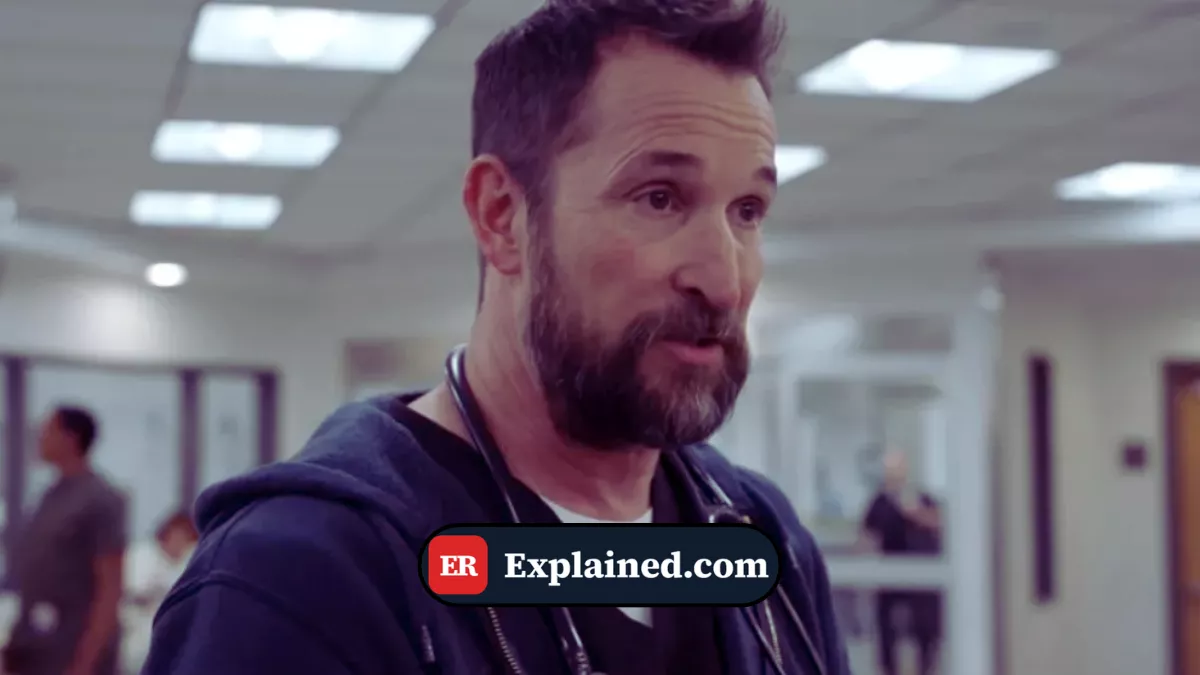
The Pitt — Episode 2, ER scene:
"Nick Bradley, 19, found unresponsive by parents... On arrival, he was barely breathing with pinpoint pupils, bradycardic at 38. Pupils responded to Narcan, but we tubed him when his respirations didn't pick up." — Dr. RobbyThe management of an opioid overdose is one of the most critical and time-dependent scenarios faced in emergency medicine. The case of Nick Bradley in The Pitt perfectly illustrates the unforgiving nature of this crisis: a young college student, with no history of drug use, who suffers a catastrophic respiratory arrest after accidentally ingesting a counterfeit pill containing fentanyl. This scenario demands immediate action to reverse hypoxia and prevent irreversible brain damage.
The Emergency Scenario: Opioid Overdose
Opioid overdose occurs when the amount of drug in the system overwhelms the mu-opioid receptors in the brain and brainstem. The primary and most lethal consequence is centrally mediated respiratory depression. Opioids decrease the sensitivity of brainstem chemoreceptors to carbon dioxide (CO2), leading to a reduction in the rate and depth of breathing, culminating in apnea. The clinical scenario is characterized by the classic overdose triad: coma (or profound lethargy), miosis (pinpoint pupils), and respiratory depression. However, prolonged hypoxia can eventually lead to pupillary dilation ("blown pupils"), a grim sign of ischemic brainstem injury, as tragically observed in patient Nick. The advent of ultra-potent synthetic opioids, such as fentanyl, has transformed this scenario, causing almost instantaneous respiratory arrests and requiring much more aggressive resuscitation interventions.Immediate Approach and Protocols
The absolute priority in managing an opioid overdose is not the immediate administration of the antidote, but rather the restoration of oxygenation and ventilation. The protocol follows the classic ABCs (Airway, Breathing, Circulation) of resuscitation: 1. Airway & Breathing: If the patient is apneic or has agonal breathing, assisted ventilation with a bag-valve-mask (BVM) connected to 100% oxygen must be initiated immediately. This single intervention prevents death from hypoxia while the antidote is prepared. To understand more about this crucial step, see our article on Airway Management. 2. Naloxone (Narcan) Administration: Naloxone is the opioid antagonist of choice. The route of administration can be intravenous (IV), intramuscular (IM), or intranasal (IN). The typical initial IV dose is 0.4 to 2 mg. In suspected cases of fentanyl or analogs, significantly higher doses may be required to reverse respiratory depression. The goal is not necessarily to wake the patient up completely, but to restore adequate spontaneous ventilation. 3. Advanced Management: If the patient does not regain respiratory drive despite oxygenation and adequate doses of naloxone (as happened with Nick), endotracheal intubation and mechanical ventilation become mandatory to protect the airway and ensure gas exchange.Challenges and Complications
Managing this scenario presents significant challenges. "Wooden chest syndrome," frequently associated with the rapid administration of fentanyl, causes severe spasm of the chest and glottic musculature, making bag-valve-mask ventilation impossible and requiring the immediate use of neuromuscular blockers. Another critical complication is re-narcotization. The half-life of naloxone (30-90 minutes) is often shorter than that of the ingested opioid. After the antidote is metabolized, the patient may slip back into respiratory depression, requiring continuous monitoring and possibly a continuous naloxone infusion. Furthermore, prolonged hypoxia prior to hospital arrival can result in irreversible anoxic brain injury, as evidenced by the absence of brainstem reflexes in Nick.The Role of the Multidisciplinary Team
Responding to a severe overdose requires flawless coordination. Paramedics (EMS) are the first line of defense, often administering the first dose of naloxone and initiating ventilation in the field. In the ER, nurses prepare medications and monitor vital signs, while physicians manage the airway and make critical clinical decisions. Respiratory therapists are vital if mechanical ventilation is required. The emergency physician's role extends beyond physical resuscitation. It includes empathetic yet clear communication with the family (as Dr. Robby did with Nick's parents), explaining the severity of the situation, the toxicology results, and the grim prognosis associated with hypoxic brain injury. Social workers and addiction specialists are also fundamental for patients who survive and require rehabilitation.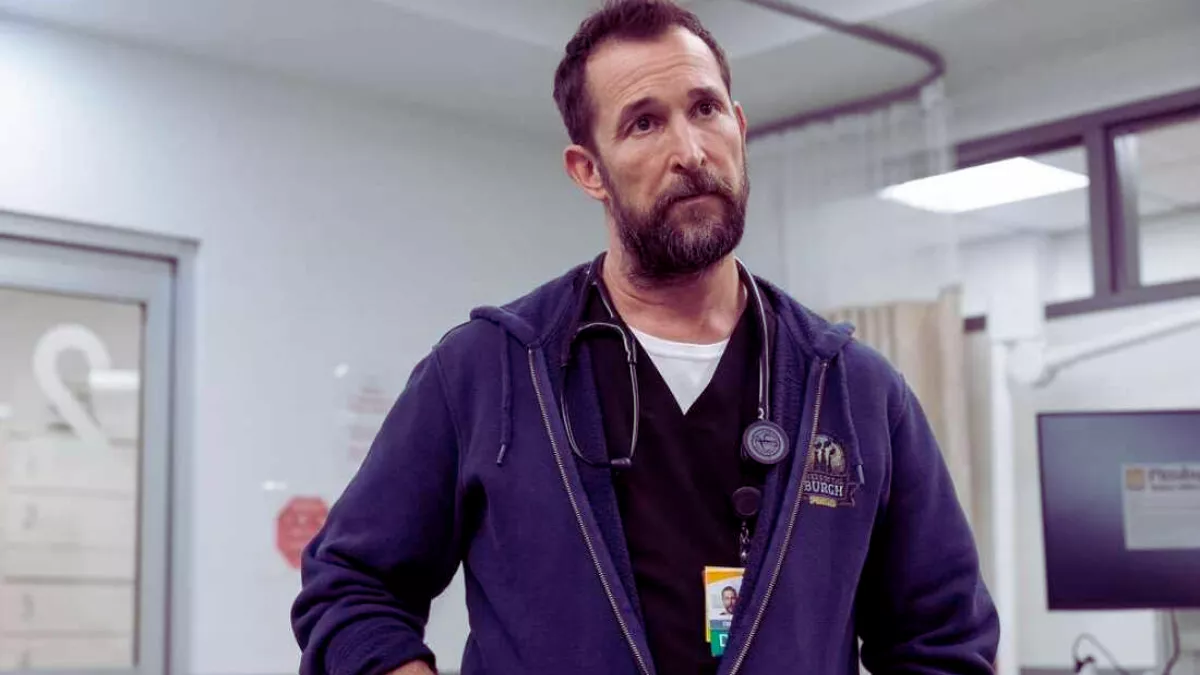
Frequently Asked Questions
Why did Nick need to be intubated even after receiving Narcan?
Although Narcan reverses the opioid's effects, if the patient was without oxygen for too long before intervention, the brain (specifically the brainstem, which controls breathing) can suffer irreversible anoxic damage. In these cases, the patient loses the ability to breathe on their own, requiring advanced life support.What does it mean when pupils are "blown"?
"Blown pupils" refer to widely dilated pupils that are unreactive to light. In an overdose and coma context, this frequently indicates severe brain injury or brainstem death due to a prolonged lack of oxygen, overriding the initial miosis caused by the opioid.How does fentanyl end up in counterfeit pills?
Clandestine labs use fentanyl because it is cheap to produce and extremely potent. They press the drug into pills that look exactly like prescription medications (like Xanax or Adderall) to increase profits. The user often does not know they are consuming a lethal opioid.What is the difference between intranasal and intravenous Narcan?
Intravenous Narcan acts almost immediately (1-2 minutes) and is preferred in the hospital setting. Intranasal is easier to administer by laypeople or first responders in the field and takes a bit longer (2-5 minutes) to take effect, but it is equally vital for saving lives.Conclusion
The opioid overdose scenario in the emergency department is a race against time to preserve brain function. Rapid identification, immediate ventilatory support, and judicious administration of naloxone form the foundation of treatment. However, Nick's case in The Pitt serves as a tragic reminder that medical intervention has limits when hypoxia sets in for a prolonged period. To understand more about the medications used in this crisis, read our detailed article on Narcan (Naloxone).This content is for educational and informational purposes only. It does not replace professional medical advice, diagnosis, or treatment. In case of a medical emergency, call 911/EMS immediately or go to the nearest emergency room.
References: [1] CDC: Fentanyl Facts [2] UpToDate: Acute opioid intoxication [3] ACEP: Opioid Emergency Management [4] PubMed: Naloxone in Opioid Overdose