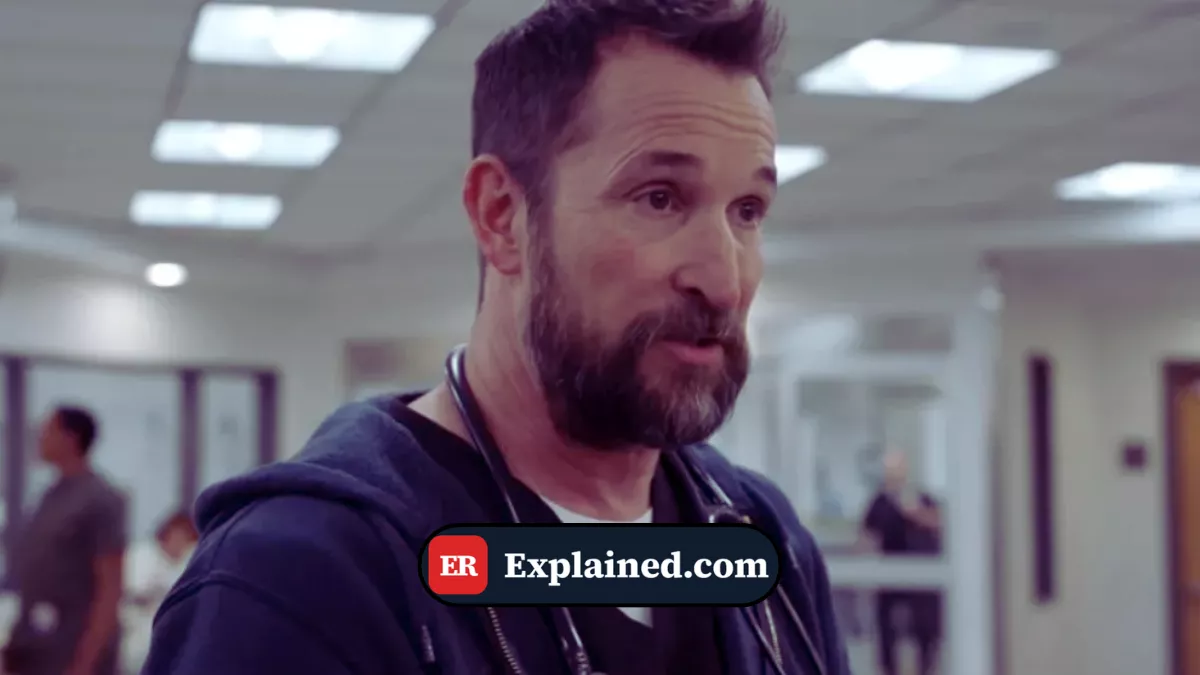
The Pitt — Episode 2, ER scene:
"Live wire hit his left forearm, shocked him once for v-fib... Interior compartment pressure is 49. Burn caused massive swelling. What does he need, Dr. Santos? Fasciotomy, but he still has a radial pulse. Pressure would have to be over 100 to lose the pulse, and at that point, he'd lose the arm. 49 is enough to destroy all the nerves and muscles in a matter of hours." — Trauma TeamHigh-voltage electrical accidents present unique and devastating challenges in the trauma bay. In Episode 2 of The Pitt, a patient is brought in after cutting into a live high-tension wire, resulting in an initial cardiac arrest and severe electrical burns. The episode brilliantly highlights an insidious and often hidden complication of electrocution: acute compartment syndrome, which requires an emergency fasciotomy to save the patient's limb.
The Emergency Scenario: High-Voltage Electrocution
Electrocution occurs when the human body becomes part of an electrical circuit. Damage is caused both by the direct disruption of the body's own electrical signals (causing cardiac arrhythmias) and by the conversion of electrical energy into thermal energy (heat) as the current travels through tissues that offer resistance, such as muscles and bones. The clinical scenario is characterized by three main threats: 1. **Cardiac:** Alternating current frequently induces ventricular fibrillation (VF), resulting in immediate cardiac arrest, as happened with the patient in the episode before being defibrillated by paramedics. 2. **Renal:** Massive muscle destruction (rhabdomyolysis) releases myoglobin into the bloodstream, which is toxic to the kidneys and can cause acute renal failure. 3. **Tissue:** Deep burns, coagulation of blood vessels, and extreme edema (swelling) within closed muscle compartments.The Hidden Threat: Compartment Syndrome
Acute compartment syndrome is a true surgical emergency. The muscles of the limbs (arms and legs) are grouped into "compartments" surrounded by fascia, a strong, inelastic connective tissue membrane. When a deep electrical burn causes massive muscle swelling, the fascia does not expand. The pressure inside the compartment rises dramatically. When this tissue pressure exceeds capillary perfusion pressure (usually above 30 mmHg), blood flow to the muscles and nerves within that compartment ceases. As Dr. Santos correctly notes in the episode, a pressure of 49 mmHg is more than enough to cause ischemia. If not relieved, irreversible muscle and nerve necrosis (death) occurs within 4 to 6 hours, leading to amputation or permanent loss of limb function.Immediate Approach and Protocols
Managing this complex scenario requires a two-pronged approach: systemic and local. 1. Systemic Resuscitation: The priority after securing the airway and breathing is continuous cardiac monitoring (due to the ongoing risk of cardiac irritability) and aggressive fluid hydration. The team in The Pitt orders "two liters normal saline wide open." The goal is to flush the toxic myoglobin through the kidneys to prevent rhabdomyolysis-associated renal failure. For more information on resuscitation, see our article on Cardiac Arrest Response. 2. Measuring Compartment Pressure: The clinical diagnosis of compartment syndrome relies on the "6 Ps": Pain out of proportion to the injury, Pallor, Pulselessness, Paresthesia (numbness), Paralysis, and Poikilothermia (coolness). However, in unconscious patients, objective measurement is necessary. An intracompartmental pressure monitor (like the STIC monitor mentioned) is inserted directly into the muscle. 3. The Fasciotomy: The only definitive treatment for compartment syndrome is a fasciotomy. It is a surgical procedure where long incisions are made through the skin and fascia to "open" the compartment, releasing the pressure and restoring blood flow. As demonstrated by Dr. Robby, in critical cases where time is of the essence, the initial incision may be made in the ER itself before transferring the patient to orthopedic surgery.Challenges and Complications
The biggest challenge in compartment syndrome is early diagnosis. A common myth, skillfully debunked in the episode, is that the absence of a pulse is required for diagnosis. In reality, pulselessness is a late and ominous sign. If you wait for the pulse to disappear, the pressure is already so high (often above systolic blood pressure, or >100 mmHg) that tissue damage is already irreversible. Excruciating pain with passive stretching of the muscle is the most reliable early sign in conscious patients. Long-term complications of high-voltage electrical injuries and compartment syndrome include muscle contractures (such as Volkmann's ischemic contracture), chronic neuropathy, the need for extensive skin grafts to cover the fasciotomy wounds, and, in severe cases of untreated rhabdomyolysis, the need for permanent dialysis.
Frequently Asked Questions
Why does electrocution affect the heart?
The heart functions via its own intrinsic electrical signals that coordinate heartbeats. A strong external electrical current passing through the body can "overwrite" or disrupt these natural signals, causing the heart to stop beating (asystole) or quiver ineffectively (ventricular fibrillation).What is a fasciotomy?
It is an emergency surgical procedure where a doctor makes deep cuts through the skin and the tough connective tissue (fascia) surrounding the muscles. This relieves dangerous pressure caused by swelling, saving the limb from amputation.Why are the kidneys at risk after an electrical shock?
Electricity burns and destroys muscle tissue internally. Dead muscles release a protein called myoglobin into the blood. Myoglobin is very large and toxic to the kidneys' filtering system, potentially clogging them and causing acute kidney failure (a condition called rhabdomyolysis).Do you lose your pulse if you have compartment syndrome?
Eventually yes, but a lost pulse is a very late sign. The pressure needed to stop blood flow in the tiny capillaries feeding the muscles (causing tissue death) is much lower than the pressure needed to collapse a main artery where you feel a pulse. Waiting for the pulse to vanish means the limb is likely lost.Conclusion
The management of electrocution injuries in the ER goes far beyond initial cardiac resuscitation. It requires a high index of suspicion for hidden internal damage, specifically rhabdomyolysis and acute compartment syndrome. The episode of The Pitt perfectly illustrates that aggressive and early surgical intervention—the fasciotomy—is the deciding factor between recovery and the permanent loss of a limb. To understand more about critical surgical interventions in the ER, read our article on Surgical Airway.This content is for educational and informational purposes only. It does not replace professional medical advice, diagnosis, or treatment. In case of a medical emergency, call 911/EMS immediately or go to the nearest emergency room.
References: [1] UpToDate: Acute compartment syndrome [2] PubMed: High-Voltage Electrical Injuries [3] OrthoBullets: Compartment Syndrome [4] ACEP: Trauma Management