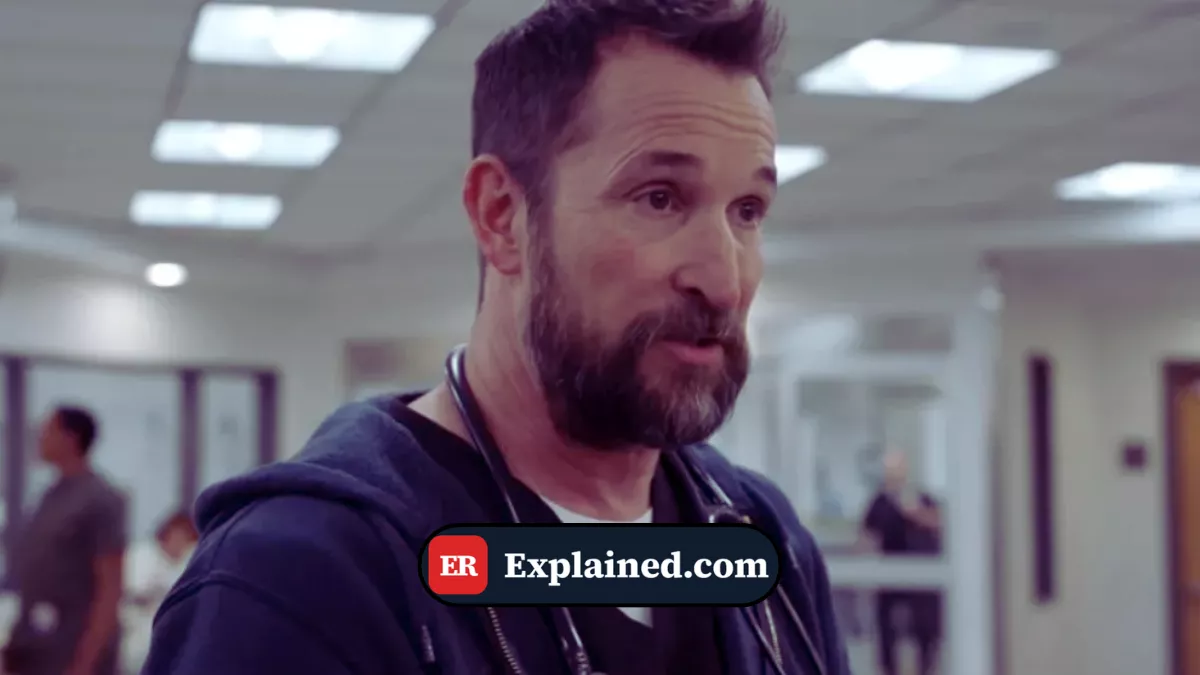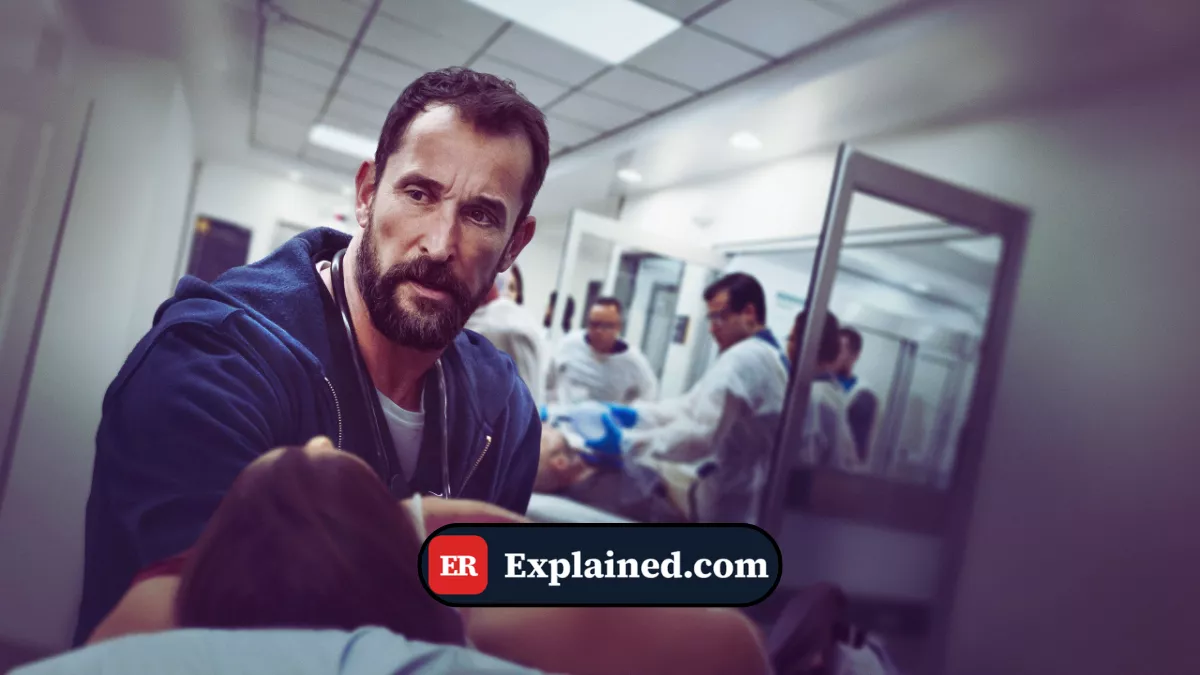
The Pitt — Episode 2, ER scene:
"Le Fort III fracture... Larynx shifted to the right... Lots of swelling. I can't see the cords. The edema's only going to get worse. Which is why we should crike." — Medical Team
In emergency medicine, few scenarios induce as much adrenaline as the "Cannot Intubate, Cannot Oxygenate" (CICO) crisis. In Episode 2 of The Pitt, patient Ben Kemper, victim of severe facial and neck trauma from an e-scooter accident, presents exactly this crisis. The distorted anatomy from massive fractures and rapid swelling makes oral intubation impossible, forcing the team to perform the most extreme airway intervention: the surgical cricothyrotomy.
The Emergency Scenario: The Need for a Surgical Airway
A cricothyrotomy (often abbreviated as a "crike") is a life-saving procedure performed when all non-invasive approaches to secure an airway have failed or are contraindicated. It involves creating an incision through the skin and the cricothyroid membrane in the neck to insert a tube directly into the trachea, allowing oxygenation by bypassing the obstructed upper airway. Clinical scenarios that most frequently require a crike include massive maxillofacial trauma (like Ben's Le Fort III fracture, where the midface is essentially separated from the skull), laryngeal trauma with anatomical distortion, profuse bleeding in the upper airway, severe angioedema (allergic swelling), or an irremovable foreign body obstruction. In these situations, continued attempts at oral intubation will not only fail but will consume precious time, leading to fatal hypoxia.
Immediate Approach and Protocols
The decision to proceed to a surgical airway must be rapid and decisive. The protocol generally follows these steps in an emergency scenario: 1. Recognition of CICO: The team recognizes that bag-valve-mask ventilation is ineffective and attempts at laryngoscopy (visualization of the vocal cords) have failed due to distorted anatomy or blood. 2. Rapid Preparation: The team preps the equipment. As mentioned in the episode, if it is a matter of seconds, the scalpel-finger-bougie technique is often the fastest. In The Pitt, they opt for a more controlled "open technique" because they managed to temporarily stabilize oxygenation with a supraglottic device (I-gel). 3. The Procedure: - Identify the cricothyroid membrane (located between the thyroid cartilage - the Adam's apple - and the cricoid cartilage). - A vertical skin incision is made (to avoid lateral blood vessels like the jugulars). - A horizontal incision is made through the cricothyroid membrane itself. - The tract is dilated (often with a finger or a tracheal hook). - A tracheostomy tube (like the 4.0 Shiley mentioned) or a small endotracheal tube is inserted. 4. Confirmation: Ventilation is initiated, and correct placement is confirmed by chest rise and, crucially, by capnography (end-tidal CO2), noted in the episode as "yellow is yes" on the colorimetric detector. To understand more about the standard intubation that precedes this failure, read our article on Endotracheal Intubation.
Challenges and Complications
Cricothyrotomy is a high-stress, high-risk procedure. The primary challenge is obscured anatomy. In patients with cervical trauma (like Ben), short necks, obesity, or expanding hematomas, locating the cricothyroid membrane by touch can be incredibly difficult. Complications include severe bleeding (if thyroid or jugular vessels are cut), esophageal laceration (if the incision is too deep), tube placement in the subcutaneous tissue instead of the trachea (false tract), long-term subglottic stenosis, and infection. Hesitation to perform the procedure out of fear of these complications often results in the most severe complication of all: death from hypoxia.
The Role of the Multidisciplinary Team
The success of a crike relies on team dynamics. The physician (whether ED or surgery, as debated in the episode) makes the cut, but the nurse must anticipate the necessary equipment and hand it over instantly. The respiratory therapist must be ready to connect the ventilation circuit as soon as the tube is in place. The scene in The Pitt highlights a crucial aspect of training: simulation. Dr. Langdon mentions having done the procedure in a cadaver lab, underscoring the importance of constant hands-on training for low-frequency, high-acuity skills. Clear, closed-loop communication is vital to ensure oxygenation is confirmed and the patient is rapidly stabilized for definitive surgery.
Frequently Asked Questions
What is the difference between a cricothyrotomy and a tracheostomy?
A cricothyrotomy is an emergency procedure done rapidly through the cricothyroid membrane (higher in the neck) to save a life in minutes. A tracheostomy is generally a more controlled surgical procedure done lower in the neck (through the tracheal rings), often for long-term ventilatory support.
Why not try to intubate through the mouth again?
In a CICO scenario, repeated oral intubation attempts cause more trauma, bleeding, and swelling, worsening the obstruction. If you cannot see the cords and cannot oxygenate with a mask, continuing to try through the mouth only wastes the time the brain has before dying from a lack of oxygen.
Does the patient feel pain during a crike?
In extreme emergencies, the patient is often already unconscious due to hypoxia or trauma. If they are conscious, the team will administer potent sedatives and analgesics (like the Ketamine mentioned in the episode) to induce profound unconsciousness before the procedure.
How much time does a doctor have to do a crike?
From the moment a patient stops breathing effectively and blood oxygen drops to critical levels, the brain has only about 3 to 5 minutes before irreversible damage begins. The decision and execution of the crike must happen within this narrow window.
Conclusion
Emergency cricothyrotomy is the definition of a "last resort" procedure. It requires nerves of steel, precise anatomical knowledge, and rapid execution. The maxillofacial trauma case in Episode 2 of The Pitt viscerally demonstrates why every emergency physician must master this surgical skill to rescue patients from the brink of fatal asphyxiation. To deepen your knowledge of initial severe trauma control, explore our article on Trauma Resuscitation.
This content is for educational and informational purposes only. It does not replace professional medical advice, diagnosis, or treatment. In case of a medical emergency, call 911/EMS immediately or go to the nearest emergency room.
References: [1] UpToDate: Emergency cricothyrotomy in adults [2] PubMed: The Surgical Airway [3] ACEP: Difficult Airway Management [4] Difficult Airway Society: Intubation Guidelines