The Trauma Bay Nightmare
"[Nurse] The patient in bed 6 ripped out his IV. He is screaming that there are bugs coming out of the walls. Heart rate is 140, temp is 102. [Dr. Robby] He's going into Delirium Tremens. We need massive doses of Librium right now, or his heart is going to give out." — Emergency RoomOn television, drug withdrawal is often portrayed as a miserable experience, full of sweat and body aches, but rarely lethal. In real life, however, alcohol withdrawal is one of the few withdrawal syndromes that can kill a patient quickly and violently. The final, most terrifying stage of this process is known as Delirium Tremens (DTs). When a patient reaches the DT stage, mortality can reach 15% if left untreated. The primary weapon emergency physicians use to prevent and treat this lethal neurological storm is Librium (Chlordiazepoxide). But what exactly is Delirium Tremens, and how does Librium manage to stop such vivid hallucinations?
The Pathophysiology of Delirium Tremens
Delirium Tremens does not happen the moment someone stops drinking. It is a delayed complication, typically emerging 48 to 96 hours after the last drink. To understand DTs, you must understand what chronic alcohol does to the brain. Alcohol acts as a depressant. It suppresses the central nervous system by stimulating GABA receptors (which calm the brain) and blocking NMDA receptors (which excite the brain via glutamate). Over time, the alcoholic's brain tries to compensate for this constant suppression. It reduces the number of GABA receptors and creates millions of new excitatory NMDA receptors. It is like driving a car with your foot slammed on the brake (alcohol) while pressing the gas pedal (NMDA receptors) all the way to the floor. When the patient suddenly stops drinking (takes their foot off the brake), the brain still has the gas pedal floored. A massive flood of excitatory glutamate occurs. The brain essentially short-circuits from overstimulation.The Terrifying Symptoms
This chemical storm manifests through extreme symptoms: 1. Profound Delirium: The patient completely loses touch with reality. They do not know where they are, what year it is, or who the people around them are. 2. Vivid Hallucinations: Unlike schizophrenia (which is primarily auditory), DTs often cause incredibly realistic visual and tactile hallucinations. The patient may see animals in the room or feel "bugs" crawling under their skin (formication). 3. Autonomic Instability (The Killer): The brain loses control of the autonomic nervous system. The heart races dangerously fast (tachycardia), blood pressure reaches crisis levels, and body temperature spikes (hyperthermia). It is often this cardiovascular storm that leads to heart attacks or circulatory collapse.Librium's Role in the Rescue
Treating Delirium Tremens is a race against time. The goal is to put the "brakes" back on the brain before the patient's heart fails from exhaustion. This is where Librium comes in. As a long-acting benzodiazepine, Librium binds to the remaining GABA receptors in the brain. It forces the chloride channels open, flooding the brain cells with negative charge and essentially "turning off" the glutamate-induced electrical storm.The "Front-Loading" Strategy
When a patient is already in DTs, doctors do not use small doses. They use a pharmacological strategy called "Front-Loading." Instead of giving 25 mg of Librium and waiting, the doctor will administer massive doses—often 100 mg of Librium every hour—until the patient is deeply sedated. The clinical goal is often not just to calm the patient, but to induce a state of light sleep (rousable sedation). Because Librium has active metabolites that last up to 200 hours (desmethyldiazepam), this massive initial load creates a "depot" of the drug in the patient's blood. Once the autonomic storm is controlled, the doctor can stop giving the drug, knowing the Librium depot will continue to protect the brain for several days while it slowly heals and downregulates its excitatory receptors back to normal.Why Prevention is Better Than Cure
While Librium can treat DTs, the true power of the drug lies in prevention. This is why hospitals implement the CIWA Protocol the moment an alcoholic is admitted. If Librium is given early, during the initial stages of tremors and anxiety (12 to 24 hours after the last drink), it prevents the brain from ever reaching the stage of glutamate overstimulation. Early intervention with Librium reduces the risk of developing Delirium Tremens from 15% to less than 1%.When Librium Fails: The Refractory Cases
Unfortunately, there are cases where the patient's GABA receptors are so destroyed by decades of alcohol abuse that even massive doses of Librium do not work. The patient continues to hallucinate and have severe tachycardia. This is called Benzodiazepine-Refractory Delirium Tremens. In this nightmare scenario, the emergency team must escalate treatment drastically: 1. The patient is transferred to the Intensive Care Unit (ICU). 2. They undergo Endotracheal Intubation and are placed on a mechanical ventilator to protect their airway. 3. Doctors abandon Librium and start continuous infusions of general anesthetics, like Propofol or Phenobarbital, which act on different receptors in the brain to force the patient into a drug-induced coma until the storm passes.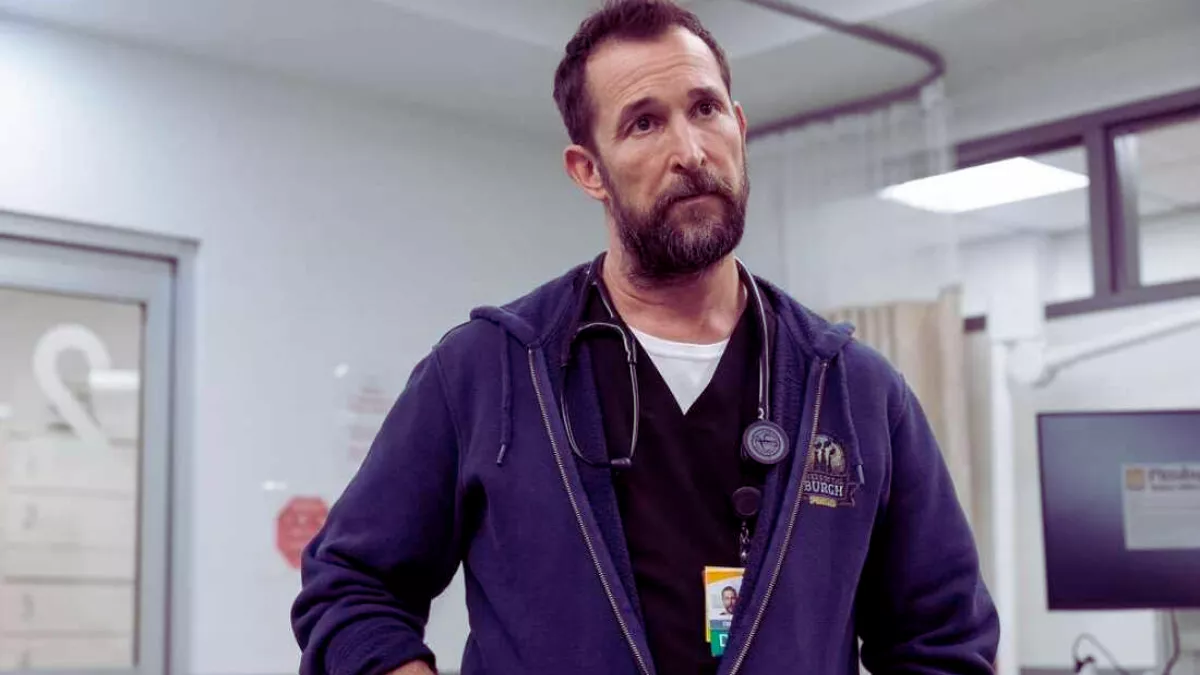
Frequently Asked Questions (FAQ)
Can Delirium Tremens happen with withdrawal from other drugs?
Not in the exact same way. Opioid withdrawal (like heroin) is extremely painful and causes severe vomiting, but it rarely causes the lethal delirium and autonomic instability seen in DTs. The only other drugs that cause an almost identical, lethal syndrome are other sedatives, ironically including abrupt withdrawal from benzodiazepines like Xanax or Valium itself.How long does Delirium Tremens last?
If the patient survives, the DT episode typically lasts 2 to 3 days, but in severe cases, the confusion and hallucinations can persist for up to a week, even with aggressive Librium treatment.Will the patient remember the hallucinations?
Often, yes. Unlike a dream that fades away, DT hallucinations are processed by the brain as real, traumatic events. Patients frequently develop Post-Traumatic Stress Disorder (PTSD) based on the terrifying visions they experienced during the delirium.Conclusion
Delirium Tremens represents the brain's desperate, chaotic response to the removal of a toxin it had grown dependent on. The vivid hallucinations and cardiovascular collapse are not just psychological symptoms; they are physiological emergencies. Emergency physicians' aggressive, strategic use of Librium (Chlordiazepoxide) acts as a chemical shield, suppressing the brain's electrical storm and guiding the patient back from the brink of a violent, terrifying death.This content is for educational and informational purposes only. It does not replace professional medical advice, diagnosis, or treatment. In case of a medical emergency, call 911/EMS immediately or go to the nearest emergency room.
References: [1] UpToDate: Management of moderate and severe alcohol withdrawal syndromes [2] StatPearls: Delirium Tremens [3] American College of Emergency Physicians (ACEP): Alcohol Withdrawal Clinical Policy [4] National Institute on Alcohol Abuse and Alcoholism (NIAAA): Complications of Alcohol Withdrawal