The Challenge of Withdrawal in the ER
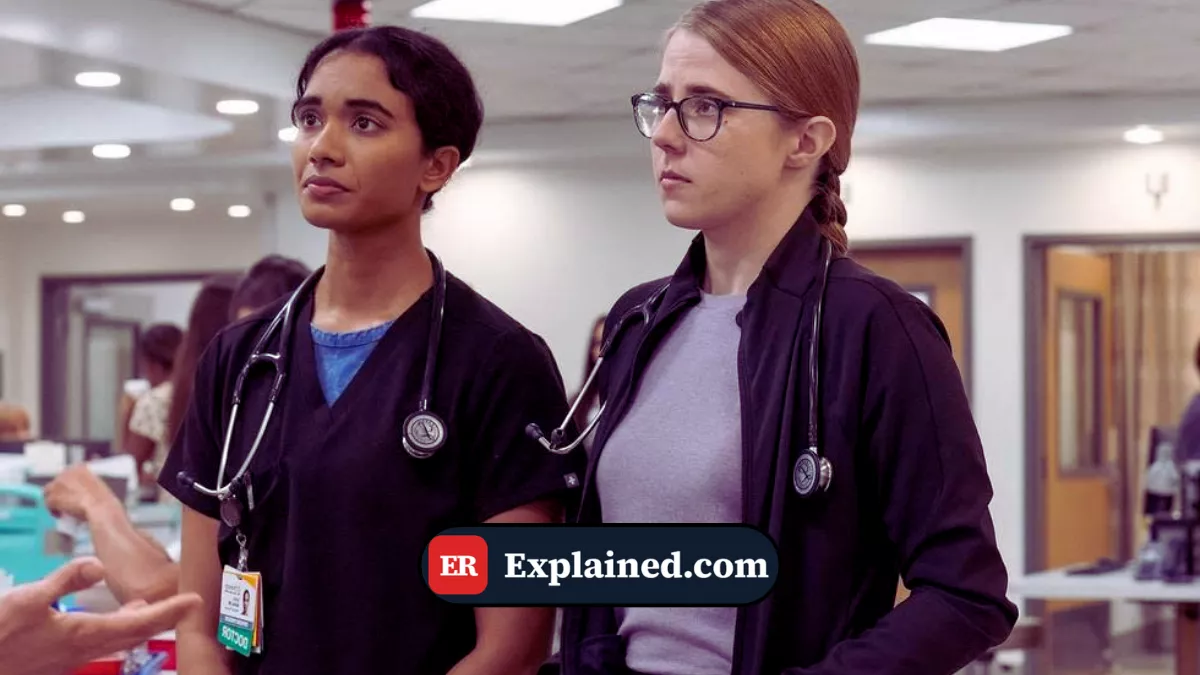
"[Nurse] The patient in bed 4 is starting to shake and sweat profusely. Blood pressure is climbing. [Dr. Collins] What is his CIWA score? [Nurse] Just hit 18. [Dr. Collins] Alright, he is entering moderate to severe withdrawal. Give him 50 milligrams of oral Librium now and reassess in two hours." — Emergency RoomTreating alcohol withdrawal in the emergency room is not a guessing game. When an alcohol-dependent patient suddenly stops drinking, their previously suppressed central nervous system goes into overdrive. This can lead to tremors, hallucinations, lethal seizures, and Delirium Tremens. To prevent these fatal complications, doctors do not prescribe medications randomly. They rely on a rigorous, mathematical clinical tool called the CIWA-Ar Protocol (Clinical Institute Withdrawal Assessment for Alcohol, revised), combined with the pharmacological power of Librium (Chlordiazepoxide). Together, the protocol and the drug form the gold standard for safe detoxification in the hospital setting.
What is the CIWA-Ar Protocol?
The CIWA-Ar scale is a standardized 10-item questionnaire that nurses and doctors use to objectively quantify the severity of a patient's alcohol withdrawal. Instead of just looking at the patient and saying "he looks bad," the medical team assigns points (usually from 0 to 7) to ten specific symptom categories.The 10 Categories Assessed:
1. Nausea and Vomiting: Ranges from "no nausea" to "constant vomiting." 2. Tremors: Assessed by asking the patient to extend their arms and spread their fingers. Ranges from invisible to severe shaking even at rest. 3. Paroxysmal Sweats (Diaphoresis): Ranges from invisible sweat to drenching clothes. 4. Anxiety: Ranges from calm to acute panic and a feeling of impending doom. 5. Agitation: Observation of motor behavior, ranging from quiet to constant restlessness and inability to stay in bed. 6. Tactile Disturbances: The patient feels itching, numbness, or the terrifying sensation of "bugs crawling under the skin" (formication). 7. Auditory Disturbances: The patient hears sounds that aren't there, ranging from mild ringing to clear, terrifying voices. 8. Visual Disturbances: Sensitivity to light, seeing shadows move, or full-blown visual hallucinations (like seeing animals in the room). 9. Headache: Assessment of fullness or pain in the head. 10. Orientation and Clouding of Sensorium: Does the patient know who they are, where they are, and what day it is? (This is the only category scored from 0 to 4).The Math of Librium Dosing
Once the nurse tallies the points, the total CIWA score (maximum of 67) dictates exactly what the doctor must do. This is where Librium steps in as the primary rescue agent.Score Less Than 8 (Mild Withdrawal)
At this stage, the patient is uncomfortable but not in immediate danger. No medication is given. The medical team simply continues to monitor the patient and repeats the CIWA assessment every 4 to 8 hours. Giving Librium at this stage could unnecessarily over-sedate the patient.Score of 8 to 15 (Moderate Withdrawal)
The patient is now at risk of rapid progression. The protocol is triggered. The doctor will typically order 25 to 50 mg of oral Librium. The goal is not to put the patient into a deep sleep, but rather to calm the nervous system enough that the tremors and anxiety subside. The CIWA assessment is repeated 1 to 2 hours after the medication.Score Greater Than 15 (Severe Withdrawal)
This is a medical emergency. The patient is at high risk for impending seizures or Delirium Tremens. The doctor will order an aggressive dose of 50 to 100 mg of Librium. If the patient cannot swallow due to severe vomiting, the doctor may have to switch to intravenous Ativan (Lorazepam) or Valium (Diazepam) temporarily. The CIWA assessment is now done every hour until the score drops to safe levels.Why is Librium the Drug of Choice for CIWA?
You might wonder why doctors specifically use Librium instead of other sedatives. The answer lies in pharmacokinetics (how the body processes the drug). Librium has an incredibly long half-life. When the patient takes a 50 mg pill, the liver breaks the Librium down into active metabolites (like desmethyldiazepam) that continue to calm the brain for up to 200 hours. This creates a "self-tapering" effect. When you use a short-acting drug like Xanax, the blood levels spike and crash rapidly, creating a roller-coaster effect that can trigger rebound seizures. Librium, on the other hand, builds a smooth, steady plateau of sedation in the blood. Even if the patient is discharged from the hospital or misses a dose, the drug is still active in their system days later, protecting them against delayed seizures.The Limitations and Pitfalls of the CIWA Protocol
While the CIWA protocol and Librium save thousands of lives, they are not foolproof. Emergency physicians must be aware of several dangerous pitfalls: 1. The Patient Unable to Communicate: CIWA relies heavily on the patient being able to answer questions (like "Are you hearing voices?"). If the patient is already in Delirium Tremens, confused, intubated, or suffering from severe dementia, the CIWA scale is useless. In these cases, doctors use an alternative scale called RASS (Richmond Agitation-Sedation Scale) and administer sedation based purely on vital signs (heart rate and blood pressure). 2. Severe Liver Disease: Librium must be metabolized by the liver. If an alcoholic patient has end-stage liver cirrhosis, their liver cannot process the drug. The Librium will build up to toxic levels, putting the patient into a coma. For these patients, doctors abandon Librium and use Ativan (Lorazepam), which does not require complex hepatic metabolism. 3. False Positives (Masked Illnesses): A patient might have a high CIWA score (tremors, sweating, fast heart rate), but the real problem might not be withdrawal at all. It could be severe sepsis, hyperthyroidism, or hypoglycemia. If the medical team blindly gives Librium without investigating other causes, the patient could die from the untreated underlying illness.Adjunctive Therapies: Beyond Librium
Librium does not work alone in treating alcohol withdrawal. Chronic alcohol use depletes the body of vital vitamins and electrolytes. Alongside Librium, patients on the CIWA protocol routinely receive: - Thiamine (Vitamin B1): Given intravenously to prevent Wernicke-Korsakoff Syndrome, a devastating and irreversible brain condition caused by thiamine deficiency. - Folic Acid and Multivitamins: Often added to a bag of Normal Saline, creating what doctors call a "Banana Bag" due to its bright yellow color. - Magnesium and Potassium Replacement: Essential for stabilizing the heart and preventing lethal arrhythmias during the withdrawal phase.Frequently Asked Questions (FAQ)
Can a patient lie on the CIWA assessment to get more Librium?
Yes, and this is a known challenge in emergency medicine. Patients actively seeking the sedative effect of benzodiazepines may exaggerate their subjective symptoms (anxiety, headache, nausea). However, it is very difficult for a patient to fake the objective, autonomic signs assessed by the nurse, such as profuse sweating, severe resting tremors, and a rapid heart rate (tachycardia).Can the CIWA protocol be done at home?
No. Moderate to severe alcohol withdrawal is a medical emergency requiring continuous vital sign monitoring. Seizures can happen suddenly and without warning. The CIWA protocol and the administration of high-dose Librium should only be performed in a hospital setting (ER or ICU) or a specialized, medically equipped detox facility.What happens if Librium doesn't work?
In rare, extremely severe cases of Delirium Tremens (often called benzodiazepine-refractory withdrawal), even massive doses of Librium will not calm the patient. In these scenarios, the patient is transferred to the ICU, often requires Endotracheal Intubation for airway protection, and is placed on continuous infusions of more potent sedatives like Propofol or Dexmedetomidine (Precedex).Conclusion
The marriage between rigorous clinical assessment (the CIWA Protocol) and targeted pharmacology (Librium) has transformed the management of alcohol withdrawal from a dangerous guessing game into a precise science. By mathematically quantifying the nervous system's distress, the medical team can use the long half-life of Chlordiazepoxide to create a safe glide path, guiding patients through one of modern medicine's most volatile toxicological emergencies.This content is for educational and informational purposes only. It does not replace professional medical advice, diagnosis, or treatment. In case of a medical emergency, call 911/EMS immediately or go to the nearest emergency room.
References: [1] UpToDate: Management of moderate and severe alcohol withdrawal syndromes [2] StatPearls: Alcohol Withdrawal [3] American College of Emergency Physicians (ACEP): Alcohol Withdrawal Clinical Policy [4] American Society of Addiction Medicine (ASAM): Alcohol Withdrawal Management