What is Librium (Chlordiazepoxide)?
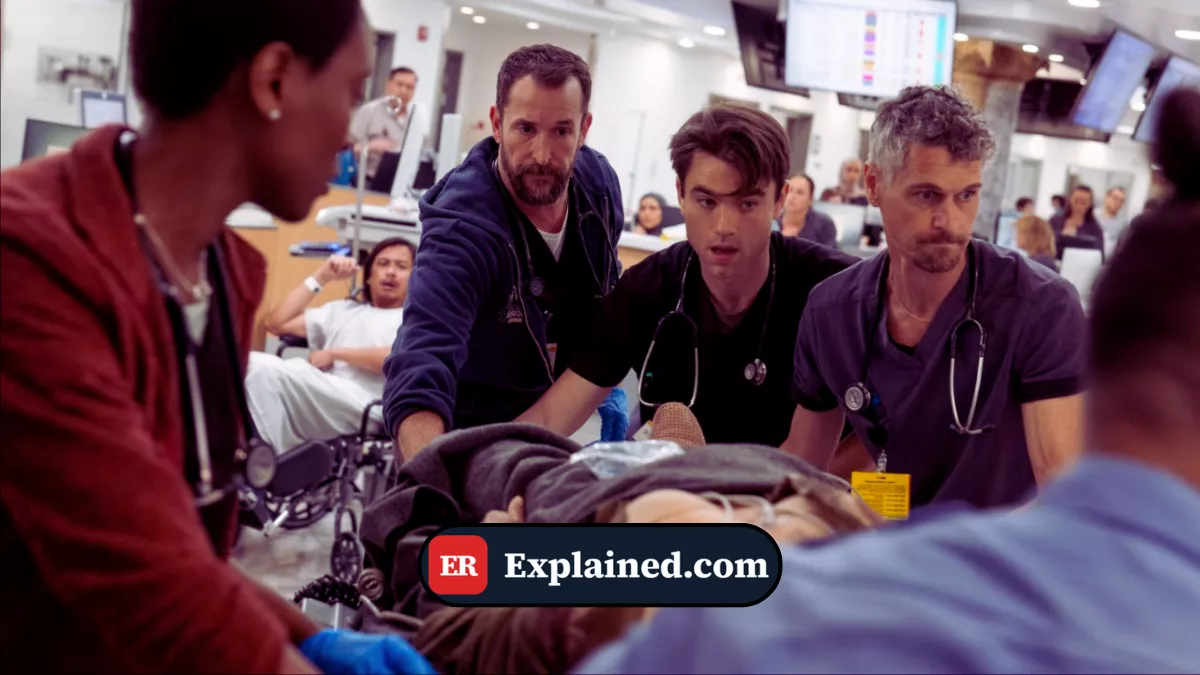
Librium, generically known as chlordiazepoxide, is a long-acting benzodiazepine used primarily for prevention and management of alcohol withdrawal syndrome. In episode 101 of "The Pitt", we see Dr. Langdon prescribing Librium as discharge medication for a patient with severe alcohol intoxication, representing standard clinical practice in the emergency department.
Unlike Ativan, which is used for acute crises, Librium has longer duration of action and is ideal for maintenance after the acute phase of intoxication, preventing relapses and serious complications.
Causes & Context
Alcohol withdrawal syndrome is a serious complication that occurs when patients with alcohol dependence reduce or cease alcohol consumption. Alcohol is a central nervous system depressant, and its withdrawal causes neuronal hyperexcitability.

Librium works by prolonging the inhibitory effect on the nervous system, allowing a smoother transition from alcohol dependence. As demonstrated in "The Pitt", after controlling the acute crisis with Ativan, Librium is prescribed to prevent future complications.
Symptoms/Applications
Patients at risk of alcohol withdrawal syndrome may present with tremors, sweating, tachycardia, anxiety, insomnia, and in severe cases, seizures and delirium tremens. Librium prevents progression of these symptoms.
Symptoms may begin 6-24 hours after last alcohol intake and can last days or weeks without proper treatment. Prevention with Librium is crucial to avoid potentially fatal complications.
Treatment/Procedures
The treatment protocol with Librium involves oral administration in doses ranging from 5-100 mg, depending on expected severity of withdrawal syndrome. Typically, it is prescribed in a tapering regimen over 7-10 days.
Dosing is individualized based on the patient's alcohol consumption history and presence of comorbidities. Patients with severe intoxication receive higher initial doses, gradually reduced as clinical improvement occurs.
Prognosis
With appropriate Librium prescription, most patients complete the transition from alcohol dependence without serious complications. Prognosis improves significantly when medication is started early.
Patients receiving Librium show lower rates of seizures, delirium tremens, and death compared to those without treatment. Follow-up with mental health professional is recommended to prevent relapse.

Frequently Asked Questions
Q: Why not just use Ativan instead of Librium?
A: Ativan has rapid but short onset, ideal for acute crises. Librium has prolonged action, maintaining protective effect longer, preventing relapses after hospital discharge.
Q: How long does it take for Librium to work?
A: Librium begins working 1-4 hours after oral administration. As explained in the article on medical procedures, titration is gradual and individualized.
Q: Can Librium be used in conditions other than alcohol withdrawal?
A: Yes, Librium is used in anxiety, agitation, and as pre-medication in procedures. It's a versatile benzodiazepine with multiple clinical applications.
Q: What are the side effects of Librium?
A: Drowsiness, dizziness, mental confusion, and dependence with prolonged use are possible. Therefore, it is prescribed in limited courses with gradual reduction.
Conclusion
Librium (chlordiazepoxide) is a crucial medication in preventing alcohol withdrawal syndrome, especially after acute management in emergency departments. As seen in "The Pitt", appropriate Librium prescription at hospital discharge can prevent serious complications and improve patient prognosis.
If you or someone close to you faces alcohol problems, seek medical help. Call 911 in case of emergency.
Disclaimer: This content is for educational purposes only and does not substitute professional medical advice. Always consult a qualified physician for diagnosis and treatment.