What is Ketamine?
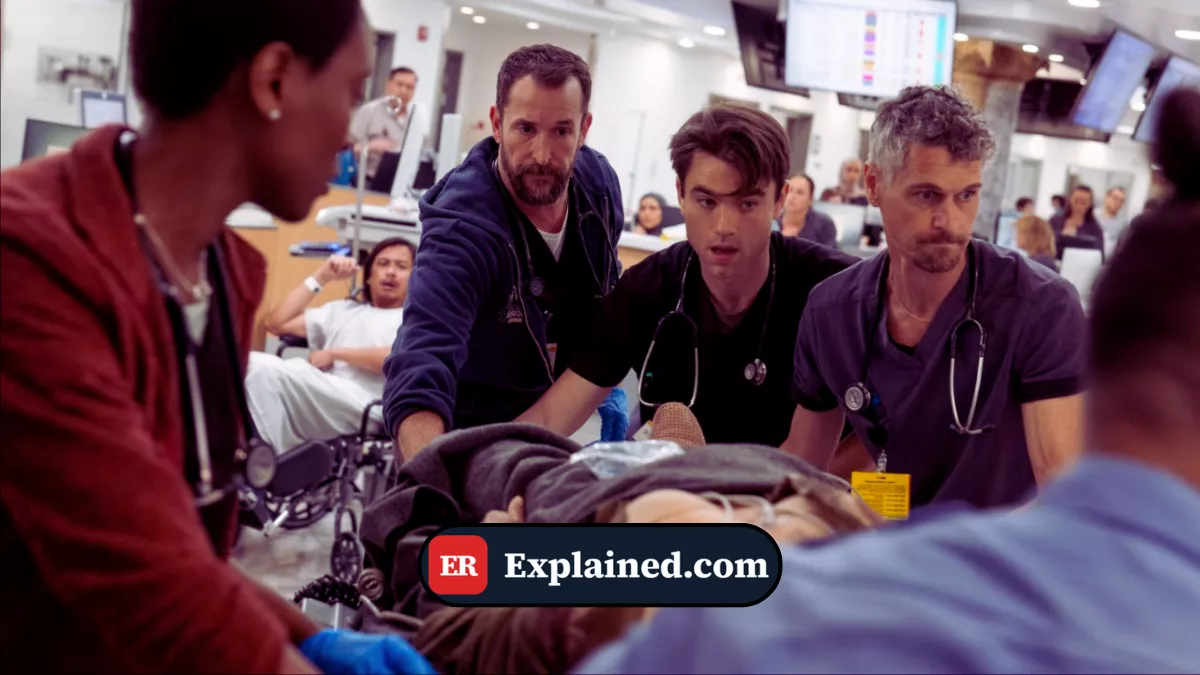
Ketamine is a potent dissociative anesthetic widely used in emergency medicine for rapid sedation and intubation of critically ill patients. In episode 101 of "The Pitt", we see the emergency team prescribing ketamine in combination with rocuronium for sedation of a traumatized patient, demonstrating its crucial role in emergency management at Pittsburgh Hospital Medical Center.
Ketamine is an NMDA receptor antagonist that produces dissociative anesthesia while maintaining protective airway reflexes and cardiovascular stability, making it ideal for emergencies where intubation is necessary.

Causes & Context
Patients with severe trauma, drug intoxication, or other critical conditions frequently require rapid sedation and intubation for airway protection. Ketamine is the anesthetic of choice in many emergency situations because it maintains spontaneous breathing and blood pressure, unlike other anesthetics.
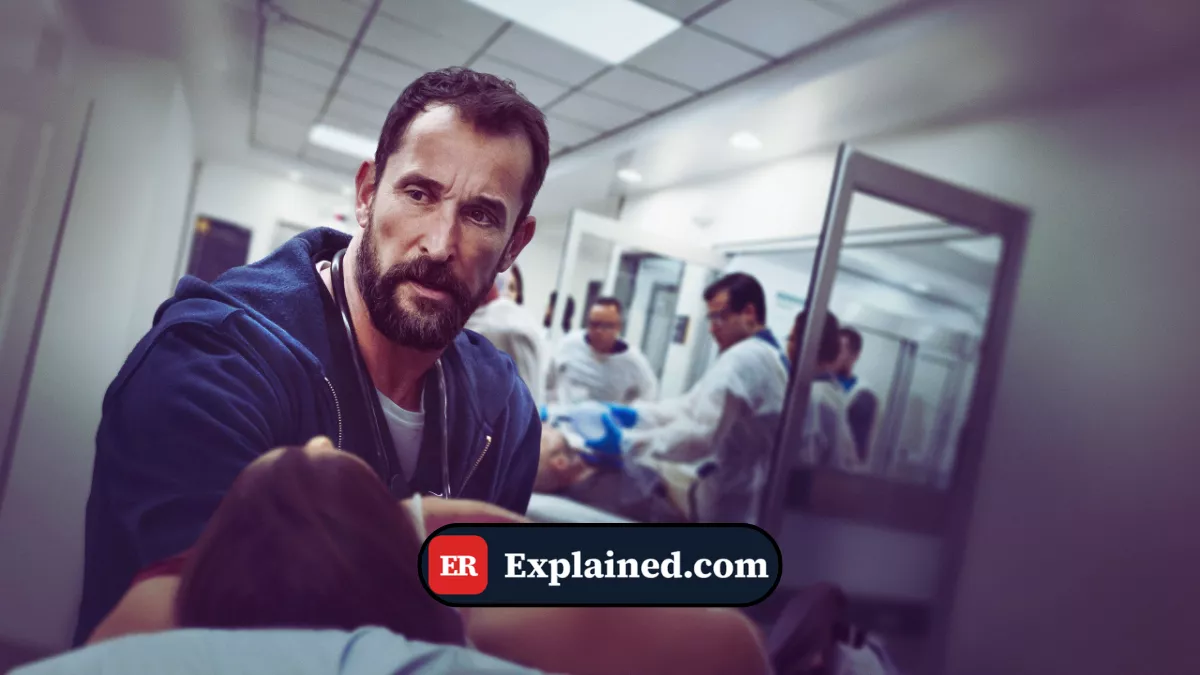
As seen in "The Pitt", a dose of 120 mg of ketamine was prescribed in combination with rocuronium, a neuromuscular blocker, to facilitate safe patient intubation.
Symptoms/Applications
Patients receiving ketamine may present with dissociation, deep sedation, analgesia, and amnesia. During anesthesia, patients may have open eyes but be unresponsive, a characteristic phenomenon of dissociative anesthesia.
After ketamine recovery, some patients may report hallucinations or vivid dreams, especially if they did not receive pre-medication with benzodiazepines. These side effects are usually transient.
Treatment/Procedures
Ketamine is administered intravenously as a rapid bolus, with typical dosing of 1-2 mg/kg for anesthetic induction. In the case presented in "The Pitt", 120 mg was administered, suggesting a patient weighing approximately 60-120 kg.
Following ketamine administration, rocuronium is administered for muscle paralysis, allowing safe intubation. The patient is then mechanically ventilated while sedation is maintained with continuous infusions.
Prognosis
Ketamine is considered one of the safest anesthetics for emergencies, with excellent prognosis when used appropriately. Maintenance of spontaneous breathing and hemodynamic stability reduces complications compared to other anesthetics.
Patients sedated with ketamine show better oxygenation and lower risk of hypotension, crucial factors in trauma and other critical emergencies.
Frequently Asked Questions
Q: What is the difference between ketamine and other anesthetics?
A: Ketamine maintains protective reflexes and cardiovascular stability, while many other anesthetics cause respiratory depression and hypotension. This is why it is preferred in emergencies.
Q: What is rocuronium and why is it used with ketamine?
A: Rocuronium is a neuromuscular blocker that paralyzes muscles, facilitating intubation. It is used in combination with ketamine to allow safe airway access.
Q: Does ketamine cause dependence?
A: Ketamine has abuse potential when used outside medical context. In hospital setting, under medical supervision, the risk of dependence is minimal.
Q: What are the side effects of ketamine?
A: Hallucinations, vivid dreams, prolonged dissociation, and increased blood pressure are possible. These are usually transient and manageable.
Conclusion
Ketamine is an essential medication in the emergency arsenal, especially for sedation and intubation in trauma. As seen in "The Pitt", its appropriate use can be the difference between success and failure in managing critical emergencies.
For emergencies, call 911 or go to the nearest emergency department. Never use ketamine outside medical context.
Disclaimer: This content is for educational purposes only and does not substitute professional medical advice. Always consult a qualified physician for diagnosis and treatment.