What is Ativan (Lorazepam)?
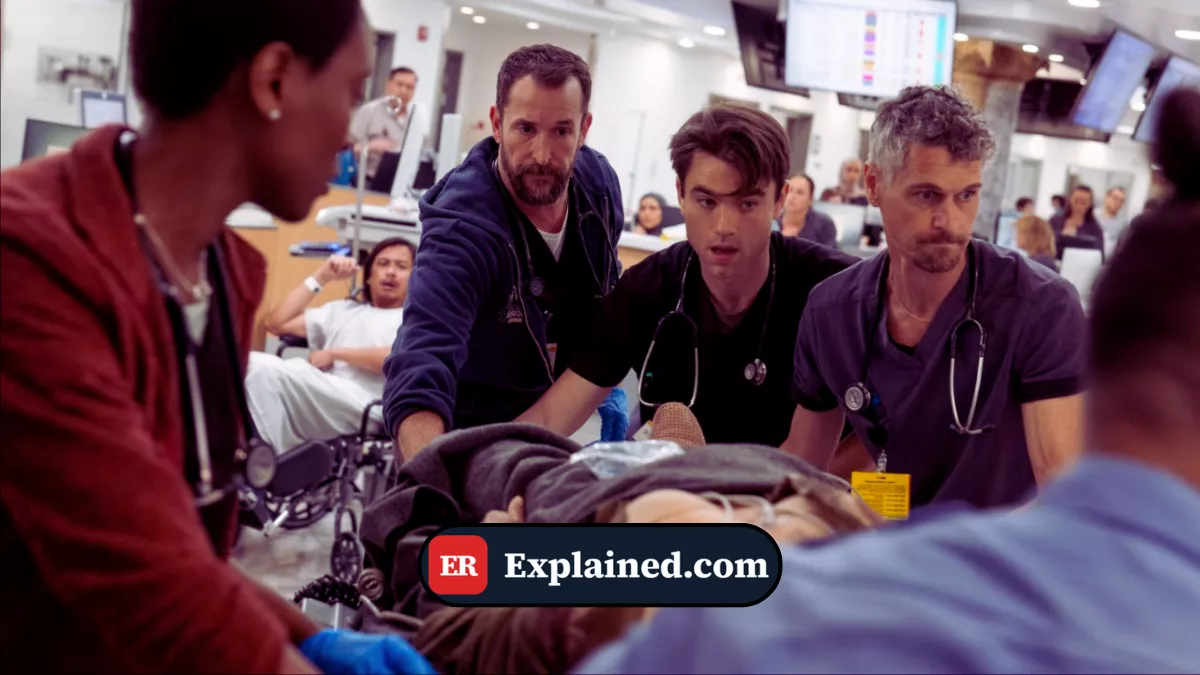
Ativan, generically known as lorazepam, is a rapid-acting benzodiazepine widely used in emergency situations. In the TV series "The Pitt", we see Dr. Robby prescribing multiple doses of Ativan to a patient with severe alcohol intoxication, demonstrating the clinical importance of this medication in managing emergencies in the emergency department of Pittsburgh Hospital Medical Center.
Lorazepam belongs to the benzodiazepine class of medications, which work on the central nervous system by potentiating the effect of gamma-aminobutyric acid (GABA), a crucial inhibitory neurotransmitter that reduces excessive neuronal activity.
Causes & Context
Acute alcohol intoxication is a common medical emergency in emergency departments worldwide. As demonstrated in the episode, patients with extreme alcohol levels in the bloodstream (such as patient Louie Cloverfield with 420 mg/dL) face significant risk of serious complications, including seizures, alcohol withdrawal syndrome, and death.
Ativan is indicated to control symptoms of alcohol withdrawal, including tremors, agitation, hallucinations, and seizures. The mechanism of action involves depression of the central nervous system, reducing neuronal hyperexcitability caused by alcohol withdrawal.
Symptoms/Applications
Patients with acute alcohol intoxication may present with fine hand tremor, mental confusion, psychomotor agitation, disorientation, and seizure risk. In the episode, Dr. Robby observes the fine tremor in the patient's hands and prescribes additional doses of Ativan to control these symptoms.
Alcohol withdrawal syndrome can progress to delirium tremens, a potentially fatal condition characterized by visual, auditory, and tactile hallucinations, along with cardiovascular instability.
Treatment/Procedures
The treatment protocol with Ativan in emergencies involves intravenous or intramuscular administration of repeated doses, titrated according to the patient's clinical response. In the case presented in "The Pitt", the patient initially received two doses of Ativan, followed by additional doses as needed.
Typical dosing ranges from 2-4 mg intravenously, which can be repeated every 5-10 minutes until the desired effect is achieved. In addition to Ativan, Librium (chlordiazepoxide) is prescribed as a maintenance medication to prevent relapse of alcohol withdrawal syndrome.
Prognosis
With appropriate and rapid treatment, most patients with acute alcohol intoxication show complete recovery. Prognosis depends on the severity of initial intoxication, presence of comorbidities, and rapid access to emergency medical care.
Patients who receive Ativan early show lower rates of serious complications, including seizures and death. Continuous monitoring and dose adjustment are essential to avoid both underdosing and overdosing.
Frequently Asked Questions
Q: What is the difference between Ativan and Librium?
A: Both are benzodiazepines, but Ativan (lorazepam) has faster onset and is preferred for emergencies, while Librium (chlordiazepoxide) has longer duration and is used for maintenance after the acute phase.
Q: Can Ativan be used in other types of emergencies besides alcohol intoxication?
A: Yes, Ativan is used in seizures, psychomotor agitation, severe anxiety, and as pre-medication in procedures. As explained in the article on emergency scenarios, benzodiazepines are versatile medications in emergencies.
Q: What is the risk of dependence with Ativan use?
A: Benzodiazepines can cause physical and psychological dependence with prolonged use. Therefore, they are prescribed in short courses during acute crises.
Q: How is a patient on Ativan monitored?
A: Heart rate, blood pressure, oxygen saturation, and level of consciousness are monitored. In cases of overdose, flumazenil may be necessary as an antidote.
Conclusion
Ativan (lorazepam) is an essential medication in the therapeutic arsenal of emergency departments, especially in managing acute alcohol intoxication and withdrawal syndrome. As seen in "The Pitt", rapid and appropriate administration of Ativan can be the difference between life and death in critical situations.
For medical emergencies, always call 911 or go to the nearest emergency department. Never attempt to self-medicate with benzodiazepines.
Disclaimer: This content is for educational purposes only and does not substitute professional medical advice. Always consult a qualified physician for diagnosis and treatment.