Introduction
The Pitt — Episode 4, extubation scene:
"I'm going to give you some glycopyrrolate drops under his tongue — that will cut down on his secretions." — Dr. Robby
"I'm also going to give him a scopolamine patch behind his ear. It will help for the next 24 hours." — Dr. Robby
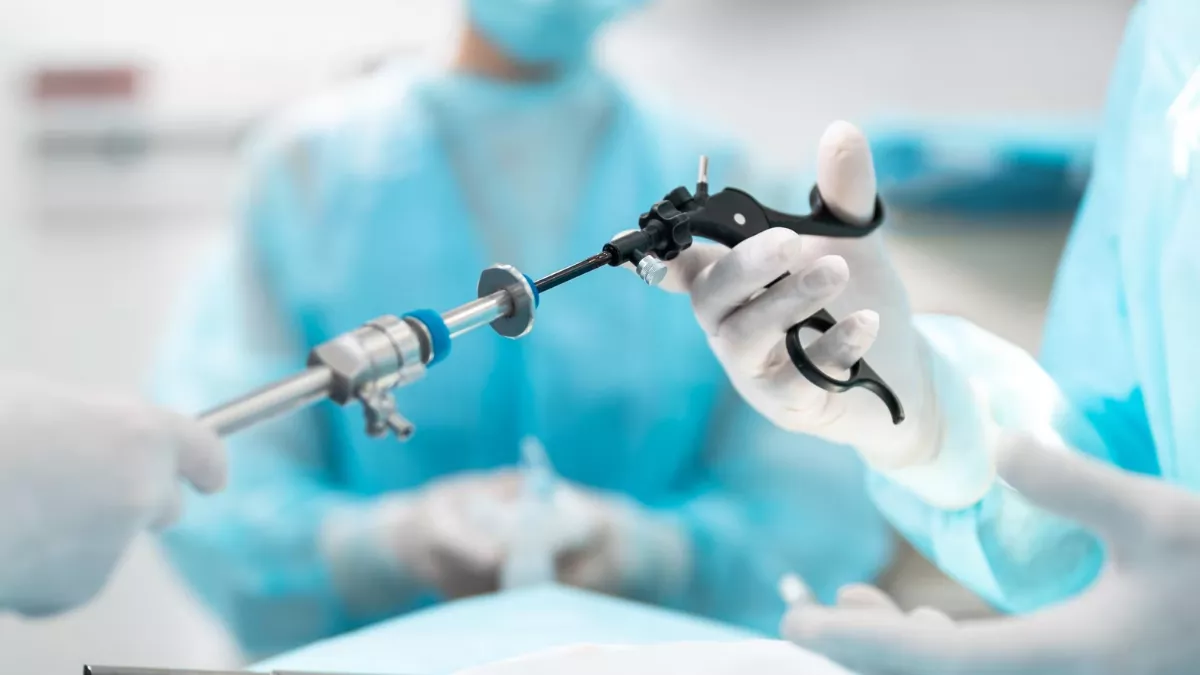
In one of the most moving moments of The Pitt Episode 4, Dr. Robby performs Mr. Spencer's terminal extubation with precision and humanity. While emotionally supporting the family, he administers two medications rarely discussed outside the context of palliative care: glycopyrrolate and scopolamine. Both share a single goal — ensuring the patient does not suffer.
Emergency departments across the U.S. increasingly care for patients in the final stages of life. Understanding palliative emergency pharmacology is just as essential as knowing how to resuscitate — it is knowing, when necessary, how to let go with dignity.
What Are Glycopyrrolate and Scopolamine?
Both belong to the class of anticholinergics — medications that block muscarinic receptors of the parasympathetic autonomic nervous system. The most important practical effect in the palliative context is the reduction of airway secretions, eliminating the so-called "death rattle," the gurgling sound produced by secretions pooling in the throat of unconscious patients.
Glycopyrrolate is a quaternary ammonium anticholinergic that does not cross the blood-brain barrier. This means it acts peripherally — reducing saliva, tracheobronchial secretions, and sweating — without causing sedation or mental confusion. It can be administered subcutaneously, intravenously, or sublingually.
Scopolamine (also known as hyoscine) is a tertiary anticholinergic that does cross the blood-brain barrier, producing an additional central effect: mild sedation and relief of nausea and spasms. In palliative care, it is widely used as a retroauricular transdermal patch (behind the ear), with onset within 4 hours and duration up to 72 hours.
Causes & Clinical Context
Terminal extubation occurs when the family and medical team decide to withdraw ventilatory support from a patient with no prospect of recovery, prioritizing comfort over prolongation of life. It is an ethically grounded procedure recognized by the American Medical Association and leading international palliative care guidelines.
The most common clinical situations leading to terminal extubation include:
- Confirmed brain death with family decision to withdraw support
- Severe irreversible anoxic brain injury following cardiac arrest
- Advanced terminal illness (malignancy, refractory heart failure, end-stage COPD)
- Multi-organ failure unresponsive to intensive treatment
- Patient's own documented decision in an advance directive
In Mr. Spencer's case in The Pitt, the patient was comatose, mechanically ventilated, with no prospect of recovery. The family made the decision after an extensive conversation with the team — exactly as protocols recommend.
Signs & Symptoms That Warrant Use
Palliative anticholinergics are indicated when the patient presents:
- Respiratory rattle: gurgling sound produced by secretions in the oropharynx of comatose patients — causes distress to the family, not necessarily to the patient
- Excessive sialorrhea: increased saliva production the patient cannot swallow
- Bronchorrhea: increased tracheobronchial secretions visible in the endotracheal tube
- Nausea and vomiting: especially in patients with advanced cancer or on opioids
- Abdominal spasms and cramps: in the context of malignant bowel obstruction
Diagnosis
No laboratory test indicates the use of these medications. The decision is based entirely on clinical assessment and active listening to the family. Tools such as the Ramsay Scale, the Edmonton Comfort Scale, and the Palliative Performance Scale (PPS) help the team objectively assess comfort levels and the appropriateness of interventions.
Respiratory rattle assessment is done through direct observation and auscultation. Distinguishing true rattle (secretions) from agonal breathing (the irregular brainstem-driven pattern near death) is important, as only the former responds to anticholinergics.
Emergency Treatment
The comfort protocol for terminal extubation follows this sequence:
- Silence alarms and discontinue monitoring: remove pulse oximeter, cardiac monitor — focus on comfort, not numbers
- Morphine IV or SC: 2 to 4mg every 4 hours or in continuous infusion for analgesia and dyspnea relief
- Glycopyrrolate sublingual or SC: 0.2mg every 4 hours or 0.6 to 1.2mg/24h in SC infusion for secretion control
- Transdermal scopolamine: 1 patch (1.5mg) retroauricular, replaced every 72 hours — sustained secretion control and mild sedation
- Midazolam SC PRN: 2 to 5mg for terminal anxiety or agitation
- Low-flow nasal oxygen: as a comfort measure, not to maintain saturation targets
- Gradual ventilator withdrawal: progressive support reduction or direct extubation, per team and family preference
It is essential to communicate to the family what to expect after extubation — irregular breathing, pauses, skin color changes — so they do not interpret the natural dying process as suffering.
Prognosis & Complications
When properly conducted, terminal extubation with a comfort protocol is one of the most humane interventions in emergency medicine. Most patients progress to death within minutes to hours after ventilator withdrawal, as Dr. Robby honestly informed the family.
Adverse effects of anticholinergics to monitor include:
- Dry mouth and mucous membranes: managed with moistened swabs and oral care
- Urinary retention: relevant in patients who retain some level of consciousness
- Blurred vision and mydriasis: no clinical impact in comatose patients
- Mild tachycardia: monitor in patients with severe heart disease still under observation
- Mental confusion (scopolamine): can occur in sensitive elderly patients — in these cases, prefer glycopyrrolate alone

Frequently Asked Questions
Does glycopyrrolate hasten the patient's death?
No. Glycopyrrolate and scopolamine have no effect on the progression of the underlying disease or on the timing of death. They only reduce secretions and promote comfort. The doctrine of double effect, widely accepted in bioethics and palliative medicine, holds that the goal is relief of suffering, not hastening death.
What is the difference between glycopyrrolate and scopolamine for death rattle?
Both reduce secretions, but glycopyrrolate acts only peripherally (no central sedation), while scopolamine also crosses the blood-brain barrier, adding mild sedation. In patients still awake in palliative care, glycopyrrolate is preferred to preserve lucidity. In comatose patients, either agent can be used.
Can the family be present during terminal extubation?
Yes, and it is highly recommended. Family presence during terminal extubation is considered best clinical practice and humanizes the dying process. The team must prepare family members for what they will see and hear, ensuring they feel emotionally supported throughout.
Is the ER the right place for terminal extubation?
Ideally, terminal extubation occurs in the ICU or a palliative care unit. However, as shown in The Pitt, urgent situations often necessitate this procedure in the ER. In those cases, the team must create an environment that is as private and humane as possible.
Conclusion
Glycopyrrolate and scopolamine are simple, inexpensive, and profoundly humane medications. In the context of terminal extubation, they transform a patient's final moments into something more dignified and less distressing for the family. The Pitt portrayed with rare sensitivity this aspect of emergency medicine that seldom appears on screen.
To deepen your knowledge of emergency pharmacology, visit our Emergency Drugs category and the article on Terminal Extubation in the ER.
This content is for educational purposes only and does not substitute professional medical evaluation, diagnosis, or treatment. In case of emergency, call 911 immediately.