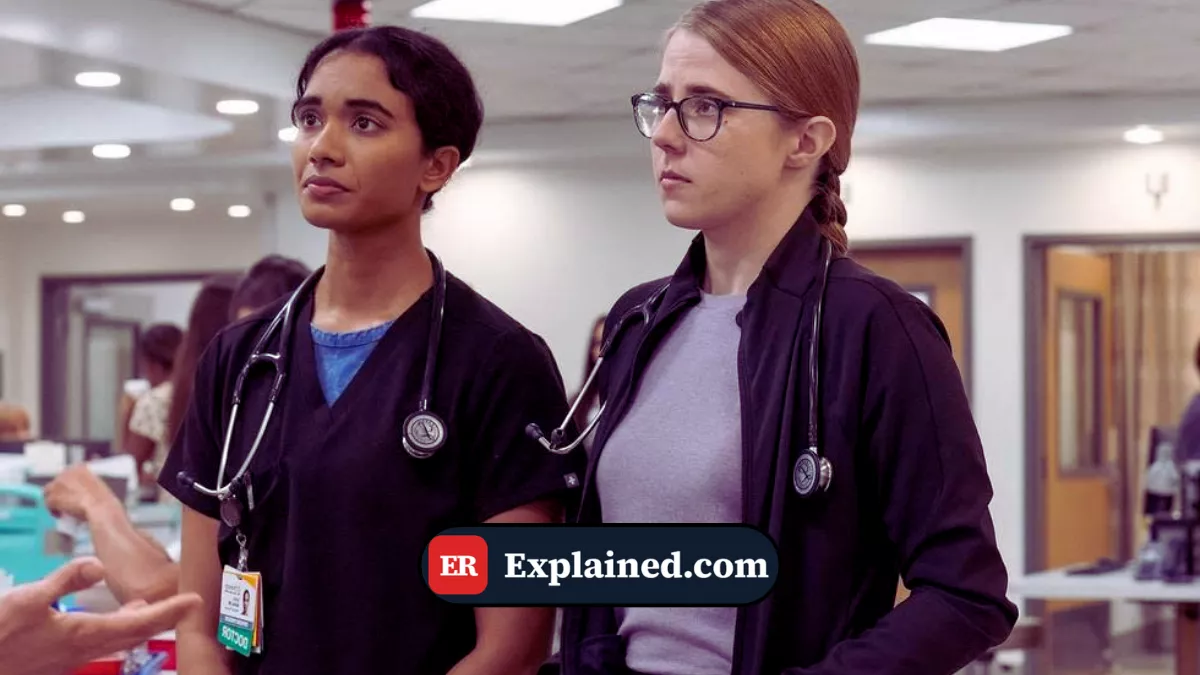
The Pitt — Episode 2, ER scene:
"It's a drug test. And it is positive for fentanyl." — Dr. RobbyFentanyl represents a formidable paradox in modern medicine. As evidenced in the dramatic case of young Nick in The Pitt, this substance is simultaneously an invaluable analgesic tool in controlled environments and the epicenter of an unprecedented public health crisis due to its presence in counterfeit illicit drugs. Understanding its pharmacology is vital for both safe therapeutic use and the management of lethal overdoses.
"No, that is impossible. Nick doesn't do drugs." — Patient's Mother
"There are a lot of pills that are sold illegally that have fentanyl, not just painkillers. Xanax, Ativan." — Dr. Robby
What is Fentanyl?
Fentanyl is an extremely potent synthetic opioid analgesic, acting primarily as a strong agonist of the mu (μ) opioid receptors in the central nervous system. Developed in the 1960s for the management of severe pain and for use in anesthesia, it is estimated to be 50 to 100 times more potent than morphine and up to 50 times more potent than heroin. Its highly lipophilic chemical structure allows it to cross the blood-brain barrier with extreme rapidity. When administered intravenously, fentanyl has an almost immediate onset of action (1 to 2 minutes) and a relatively short duration of analgesic effect (30 to 60 minutes), making it ideal for quick procedures in the emergency department. However, this same lipophilicity and overwhelming potency are what make it so deadly when consumed illicitly and uncontrollably, as a minuscule amount (as little as 2 milligrams) can be fatal to an adult with no prior tolerance.Causes & Clinical Context
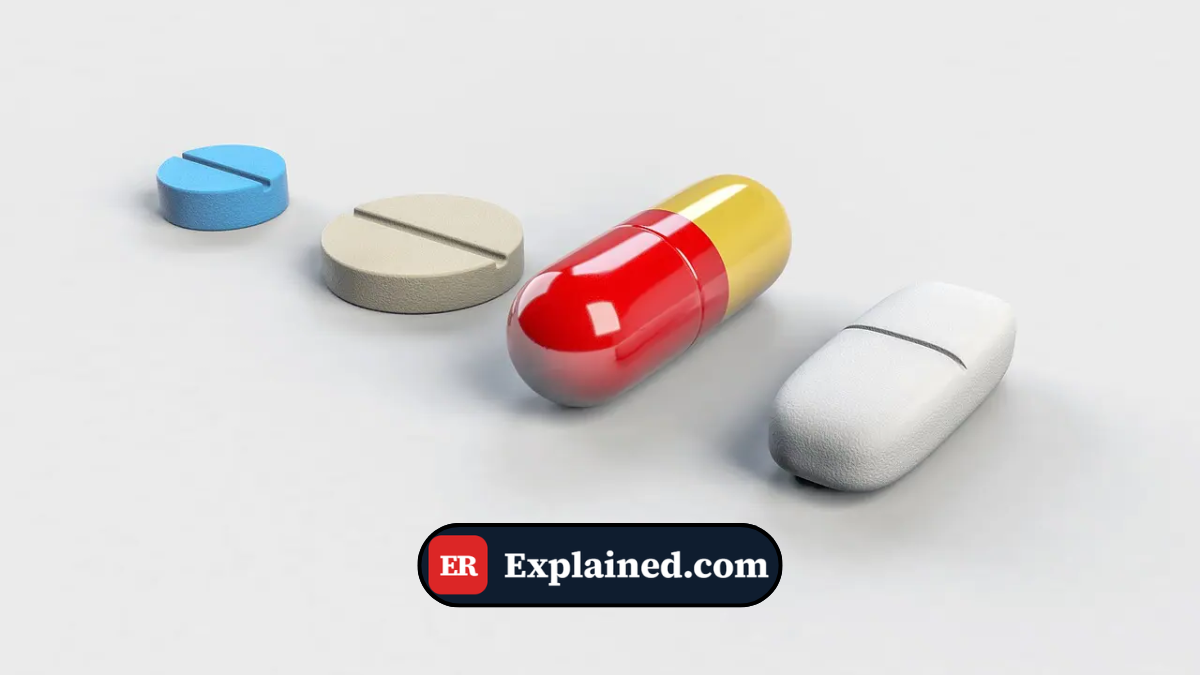
In the strictly medical and hospital context, fentanyl is used for analgesia in acute and severe pain, such as major trauma, myocardial infarctions, or extensive burns. It is frequently the analgesic of choice in procedural sedation and analgesia (PSA), such as fracture reductions or rapid sequence intubations (RSI), due to its hemodynamic stability—unlike morphine, fentanyl does not cause significant histamine release, minimizing the risk of drug-induced hypotension. Unfortunately, the most frequent clinical context involving fentanyl in current emergencies is overdose. Illicit fentanyl (clandestinely manufactured) is often mixed with other drugs, such as heroin and cocaine, or pressed into counterfeit pills designed to mimic prescription medications (like oxycodone, Xanax, or Adderall). This leads to catastrophic accidental exposures, as illustrated by the patient Nick, who, according to his parents, was not a conscious opioid user.Signs & Symptoms
The clinical presentation of a fentanyl overdose is a dramatic exacerbation of standard opioid toxicity, often occurring within minutes of exposure. The cardinal sign is profound and rapid respiratory depression, which can evolve into apnea (respiratory arrest) almost instantaneously. The resulting severe hypoxia quickly leads to cyanosis (bluish discoloration of the skin and mucous membranes) and loss of consciousness (coma). Patients classically present with miosis (pinpoint pupils), although prolonged extreme hypoxia can eventually cause pupillary dilation, as noted by Dr. Robby when Nick's pupils became "blown" due to brainstem death. A particularly dangerous symptom associated with the rapid administration of high doses of fentanyl (both medical and illicit) is "wooden chest syndrome," a severe muscular rigidity of the chest wall and vocal cords that makes bag-valve-mask ventilation nearly impossible without the administration of neuromuscular blockers.Diagnosis
The diagnosis of fentanyl toxicity in the emergency department is clinical and presumptive, based on the classic presentation of coma, miosis, and respiratory depression. Reversal (or attempted reversal) with naloxone (Narcan) serves as both a treatment and a diagnostic tool. It is important to note that due to fentanyl's extreme affinity for opioid receptors, standard doses of naloxone are often insufficient, requiring multiple high doses to restore breathing. Standard urine toxicology screens frequently do not detect synthetic fentanyl, as they are designed to detect natural or semi-synthetic opiates (like morphine and oxycodone). Specific tests (fentanyl test strips or expanded toxicology panels) are required to confirm its presence, as was done in Nick's case. However, treatment should never await laboratory confirmation. Imaging studies, such as computed tomography, are used to rule out anoxic brain damage secondary to prolonged respiratory arrest.Emergency Treatment
Immediate treatment for fentanyl overdose focuses strictly on the airway and breathing. Assisted ventilation with a bag-valve-mask and 100% oxygen must be initiated immediately. Naloxone (Narcan) should be administered intravenously, intramuscularly, or intranasally as quickly as possible. Due to the potency of fentanyl, larger doses of naloxone (often 2 to 10 mg total) may be required compared to heroin overdoses. If wooden chest syndrome is present and ventilation is impossible, immediate administration of a neuromuscular blocker (such as rocuronium) and endotracheal intubation are mandatory. In hospital therapeutic use, fentanyl is administered in carefully titrated doses. For acute analgesia in adults, the typical initial intravenous dose is 25 to 50 micrograms (mcg), repeated every 5 to 10 minutes as needed. During rapid sequence intubation, doses of 1 to 3 mcg/kg are frequently used to blunt the sympathetic response to laryngoscopy. For more details on reversal medications, see our article on Narcan (Naloxone).Prognosis & Complications
The prognosis following a fentanyl overdose is highly dependent on the time of anoxia (lack of oxygen to the brain) before intervention. If naloxone and ventilation are provided before cardiac arrest, full physical recovery is likely. However, delays in treatment, even of a few minutes, frequently result in irreversible anoxic brain injury or brain death, as tragically suspected in patient Nick's case. Complications from the medical use of fentanyl are rare when administered by trained professionals but include respiratory depression (if the dose is too high or pushed too fast), bradycardia, and nausea. The risk of dependence and opioid use disorder is a significant long-term complication requiring judicious prescribing and administration. Patients who survive severe overdoses often require intensive ICU support, including neurological monitoring and ventilatory support. Learn more about intensive care in our post on Mechanical Ventilator.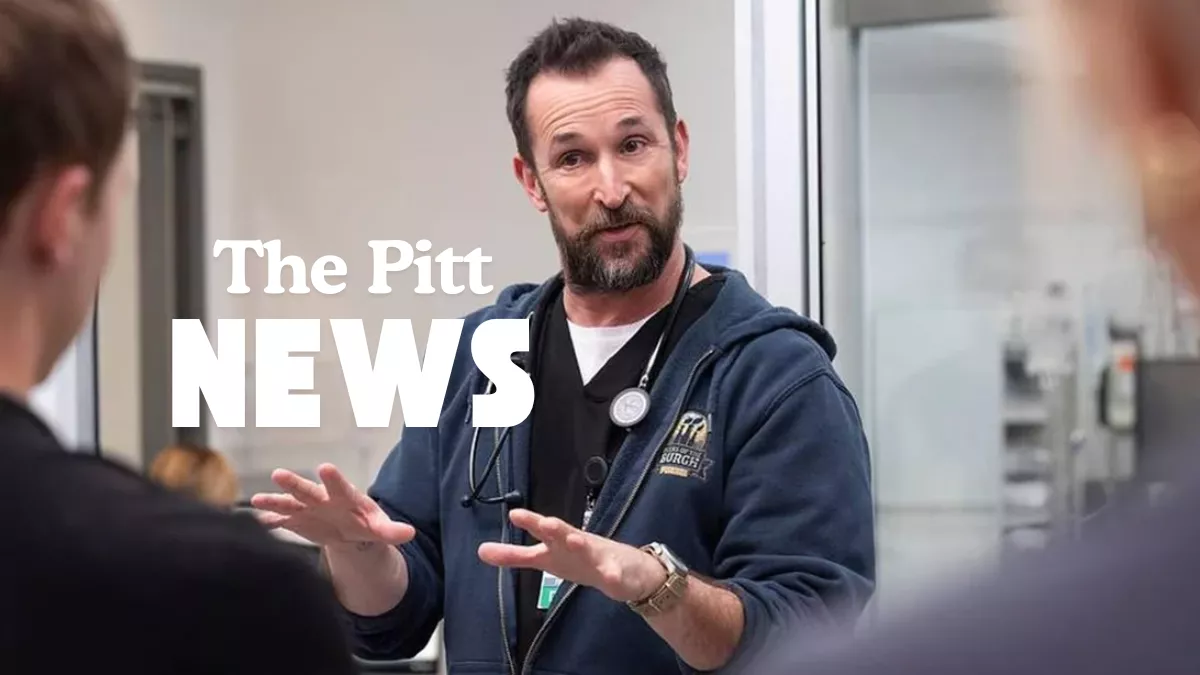
Frequently Asked Questions
Why is fentanyl so dangerous in street drugs?
Fentanyl is extremely potent and cheap to produce. Dealers mix it into other drugs or fake pills to increase profits. Because there is no quality control, a single pill can contain a lethal dose, and the user often does not know they are consuming fentanyl.Does Narcan work against fentanyl overdoses?
Yes, Narcan (naloxone) is effective in reversing fentanyl overdoses. However, due to fentanyl's extreme potency, multiple or higher doses of Narcan are often required to restore breathing than would be needed for other drugs like heroin.Can fentanyl be absorbed through the skin just by touching it?
Casual exposure and briefly touching fentanyl powder on intact skin are highly unlikely to cause toxicity or overdose. The real risk comes from inhaling airborne powder or accidental ingestion, not from simple dermal contact.What is the difference between medical fentanyl and illicit fentanyl?
Medical fentanyl is manufactured in strictly controlled pharmaceutical laboratories and administered in precise microgram doses. Illicit fentanyl is produced in clandestine labs, with no dosage control, and often contains impurities and even more dangerous analogs, such as carfentanil.Conclusion
Fentanyl is a substance of extremes: a vital tool for acute pain relief in emergency medicine and the primary driver of a lethal street overdose epidemic. Rapid recognition of toxicity signs, especially profound respiratory depression, and aggressive administration of naloxone and ventilatory support are the only defense against its fatal consequences. To deepen your knowledge of respiratory emergencies, explore our article on Airway Management in the Emergency Scenarios category.This content is for educational and informational purposes only. It does not replace professional medical advice, diagnosis, or treatment. In case of a medical emergency, call 911/EMS immediately or go to the nearest emergency room.
References: [1] CDC: Fentanyl Facts [2] PubMed: Fentanyl Epidemic and Overdose [3] UpToDate: Acute opioid intoxication [4] ACEP: Opioid Emergency Management