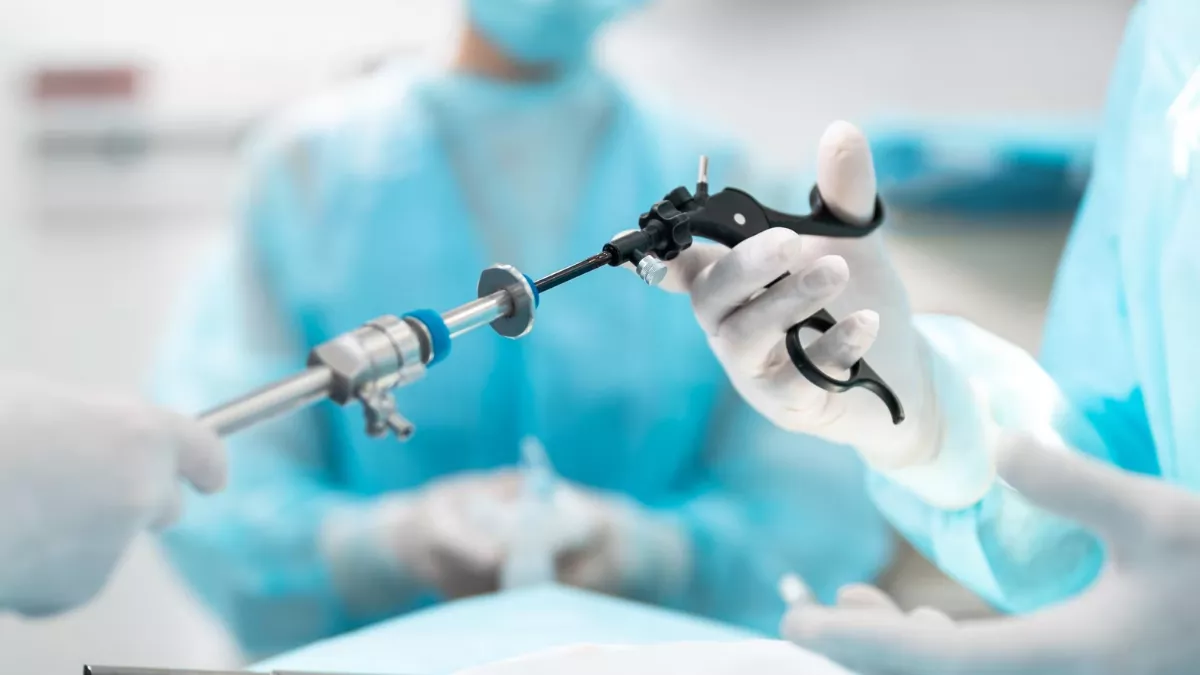
The Pitt — Episode 2, ER scene:
"You really want 10? Repeat it in five minutes if needed. And she needs a Dilaudid drip." — Dr. RobbyThe management of excruciating pain in the emergency department requires precise and potent pharmacological interventions. As demonstrated in the tense encounter with patient Joyce in The Pitt, who was suffering from a sickle cell crisis, conventional analgesics often fail to provide relief. In these critical scenarios, Dilaudid (hydromorphone) emerges as a robust therapeutic option for the rapid and effective control of refractory pain.
"This is a vaso-occlusive crisis!" — Patient Joyce
What is Dilaudid (Hydromorphone)?
Dilaudid is the most well-known brand name for hydromorphone, a potent semi-synthetic opioid analgesic derived from morphine. It acts as a pure and highly selective agonist of the mu (μ) opioid receptors in the central nervous system, altering both the perception of pain and the emotional response to it. Pharmacologically, hydromorphone is considered 5 to 7 times more potent than morphine on a milligram-for-milligram basis when administered intravenously. Its main advantage in the ER is its rapid onset of action (approximately 5 minutes after IV injection) and a shorter duration of effect than morphine (about 2 to 4 hours). Furthermore, hydromorphone causes significantly less histamine release than morphine, which translates to a lower risk of drug-induced hypotension, pruritus (itching), and bronchospasm, making it preferable in hemodynamically unstable patients or those with a history of allergic reactions to morphine.Causes & Clinical Context
Dilaudid is reserved for the treatment of acute, severe, and refractory pain that does not respond to non-opioid analgesics (such as NSAIDs or acetaminophen) or weaker opioids. In the emergency setting, its classic clinical indications include extreme pain associated with major trauma (such as multiple fractures), severe renal colic (kidney stones), acute oncological pain, extensive burns, and vaso-occlusive crises of sickle cell disease, as portrayed in the episode. The sickle cell crisis is a perfect example of Dilaudid's utility. In these patients, sickle-shaped red blood cells block capillaries, causing tissue ischemia and pain described as "bones breaking." These patients frequently develop high opioid tolerance due to chronic use for pain control, requiring massive doses of potent medications like hydromorphone, often administered via continuous infusion pump (drip or PCA - patient-controlled analgesia), to achieve adequate relief.Signs & Symptoms
The indication for Dilaudid use is not based on a specific disease, but on the clinical assessment of pain intensity. Signs of severe pain justifying its use include tachycardia (elevated heart rate), hypertension, diaphoresis (profuse sweating), tachypnea (rapid breathing), psychomotor agitation, and, in cases of untreated chronic extreme pain, behavior that can be mistakenly interpreted as "drug-seeking." As seen in patient Joyce, untreated pain can lead to a state of desperation and combativeness. Dr. Robby correctly identified that the patient's aggression was not a primary psychiatric issue, but a manifestation of intolerable physical suffering and the failure of her home analgesic regimen (oxycodone and extended-release morphine), requiring the escalation to IV Dilaudid.Diagnosis
The "diagnosis" for Dilaudid administration is pain assessment, often using numerical (0 to 10) or visual scales. However, in the ER, the clinical evaluation of the patient's distress and the nature of the underlying pathology (e.g., visible open fracture or documented history of sickle cell disease) guide the decision. It is crucial to diagnose and treat the underlying cause of the pain simultaneously with the administration of analgesia. For example, while Dilaudid relieves the pain of a sickle cell crisis, concurrent interventions such as aggressive intravenous hydration, oxygen therapy, and, as mentioned in the episode, exchange transfusion are necessary to reverse the capillary occlusion. Careful assessment of the patient's baseline respiratory and hemodynamic status is also mandatory before administering any potent opioid.
Emergency Treatment
In the emergency room, Dilaudid is most frequently administered intravenously to ensure the fastest possible relief. The initial dosage for an opioid-naïve adult patient is typically 0.5 to 1 mg IV, administered slowly over 2 to 3 minutes. The dose can be titrated and repeated every 15 to 30 minutes until adequate pain control is achieved. For patients with high opioid tolerance, such as those with severe sickle cell disease or chronic cancer pain, significantly larger initial doses (2 mg or more) may be necessary. In these complex cases, rapid transition to a continuous infusion ("Dilaudid drip") or a PCA pump is often the safest and most effective strategy, ensuring constant serum levels of the analgesic and avoiding the peaks and troughs associated with intermittent bolus injections. To complement severe pain management, read our article on Morphine in Emergencies.Prognosis & Complications
When used judiciously, Dilaudid provides excellent and rapid pain relief, significantly improving patient comfort and facilitating other medical interventions. However, due to its potency, the risk of iatrogenic complications is high. The most feared complication is opioid-induced respiratory depression, which can be fatal if not promptly recognized. Other complications include excessive sedation, hypotension (although less frequent than with morphine), nausea, vomiting, and severe constipation. Continuous monitoring of pulse oximetry, capnography (when available), and mental status is mandatory following IV administration. If significant respiratory depression occurs, administration of naloxone (Narcan) is indicated to reverse the effects. The risk of long-term dependence is a real concern, dictating that Dilaudid use be restricted to the period of severe acute pain. To understand how to monitor respiratory complications, see our post on Capnography.Frequently Asked Questions
Is Dilaudid stronger than morphine?
Yes, hydromorphone (Dilaudid) is approximately 5 to 7 times more potent than morphine. This means that 1 mg of intravenous Dilaudid provides the same pain relief as about 5 to 7 mg of intravenous morphine.Why do doctors choose Dilaudid over morphine in some cases?
Dilaudid is often chosen because it has a faster onset of action and causes less histamine release. Histamine release from morphine can cause a drop in blood pressure, intense itching, and bronchospasm, side effects that are minimized with Dilaudid.What is a "Dilaudid drip"?
It is a continuous intravenous infusion of the medication through an electronic pump. This provides a steady dose of analgesic over time, which is ideal for severe chronic pain (like sickle cell crises) where intermittent bolus injections are not enough to keep the patient comfortable.Can Dilaudid cause a patient to stop breathing?
Yes. Like all strong opioids, the most dangerous complication of Dilaudid is respiratory depression. Excessive doses or pushing the medication too fast can cause the patient to stop breathing, requiring immediate intervention with antidotes like Narcan.Conclusion
Dilaudid (hydromorphone) is a powerful and indispensable weapon in the emergency physician's arsenal for combating excruciating pain. Its high potency and favorable side-effect profile compared to morphine make it ideal for managing severe crises, such as the vascular occlusions of sickle cell disease. However, its use demands absolute respect for its pharmacology and rigorous monitoring to prevent lethal respiratory depression. For more information on safety protocols and reversal, see our article on Narcan (Naloxone) in the Emergency Drugs category.This content is for educational and informational purposes only. It does not replace professional medical advice, diagnosis, or treatment. In case of a medical emergency, call 911/EMS immediately or go to the nearest emergency room.
References: [1] PubMed: Hydromorphone for acute pain in the ED [2] UpToDate: Use of opioids in pain management [3] ASH: Sickle Cell Disease Pain Management [4] ACEP: Emergency Pain Management