Medical Procedures
Defibrillation: The Electrical Shock Procedure to Save the Heart
What really happens when doctors yell 'Clear' and shock the chest? Understand the science of Defibrillation in Episode 2 of The Pitt.
37 articles — Medical Procedures
What really happens when doctors yell 'Clear' and shock the chest? Understand the science of Defibrillation in Episode 2 of The Pitt.
What happens when intubation fails and the patient cannot breathe? Discover how the surgical Cricothyrotomy (Crike) procedure saves lives in...
What does 'Ketamine and sux on board' mean? Understand the pharmacology and step-by-step Rapid Sequence Intubation (RSI) procedure used in t...
Why do trauma doctors need to measure a patient's urine? Understand the physiology and importance of the Foley Catheter in shock stabilizati...
How do doctors raise blood pressure in seconds during severe trauma? Learn about the complex and dangerous Push Dose Epinephrine technique u...
Why do doctors sometimes choose not to intervene? Understand the Clinical Observation and Monitoring protocol used for pediatric intoxicatio...

Why does a trauma patient's urine turn the color of Coca-Cola? Understand the aggressive hydration protocol used to treat Rhabdomyolysis in ...
How do doctors know if a patient's muscle swelling will cost them their arm? Understand the physiology and the Compartment Syndrome Monitori...
What really happens when doctors yell 'Clear' and shock the chest? Understand the science of Defibrillation in Episode 2 of The Pitt.
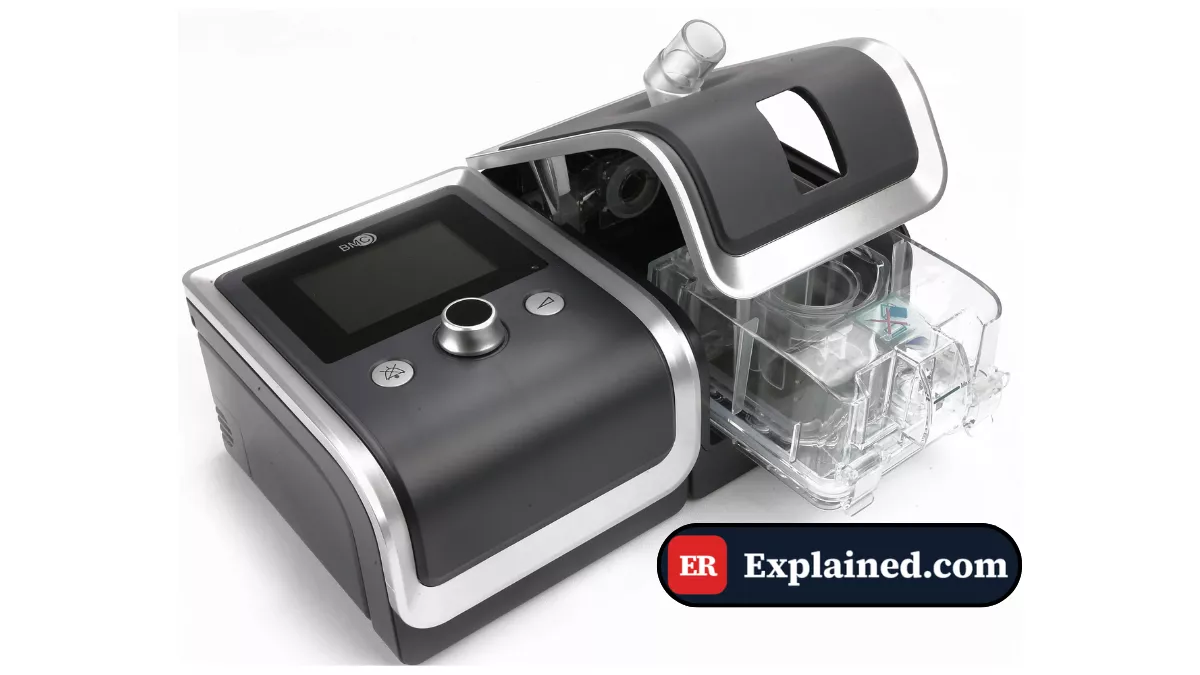
How do doctors help a patient breathe without using a tube down their throat? Understand the physiology and application of the BiPAP procedu...
What happens when intubation fails and the patient cannot breathe? Discover how the surgical Cricothyrotomy (Crike) procedure saves lives in...
What does 'Ketamine and sux on board' mean? Understand the pharmacology and step-by-step Rapid Sequence Intubation (RSI) procedure used in t...
ER Explained.com is an educational resource based on television series and medical literature. All content is provided strictly for informational and educational purposes and does not replace, under any circumstances, the diagnosis, treatment, or guidance of qualified healthcare professionals. If you are experiencing a medical emergency, call 911 immediately or go to your nearest emergency room.