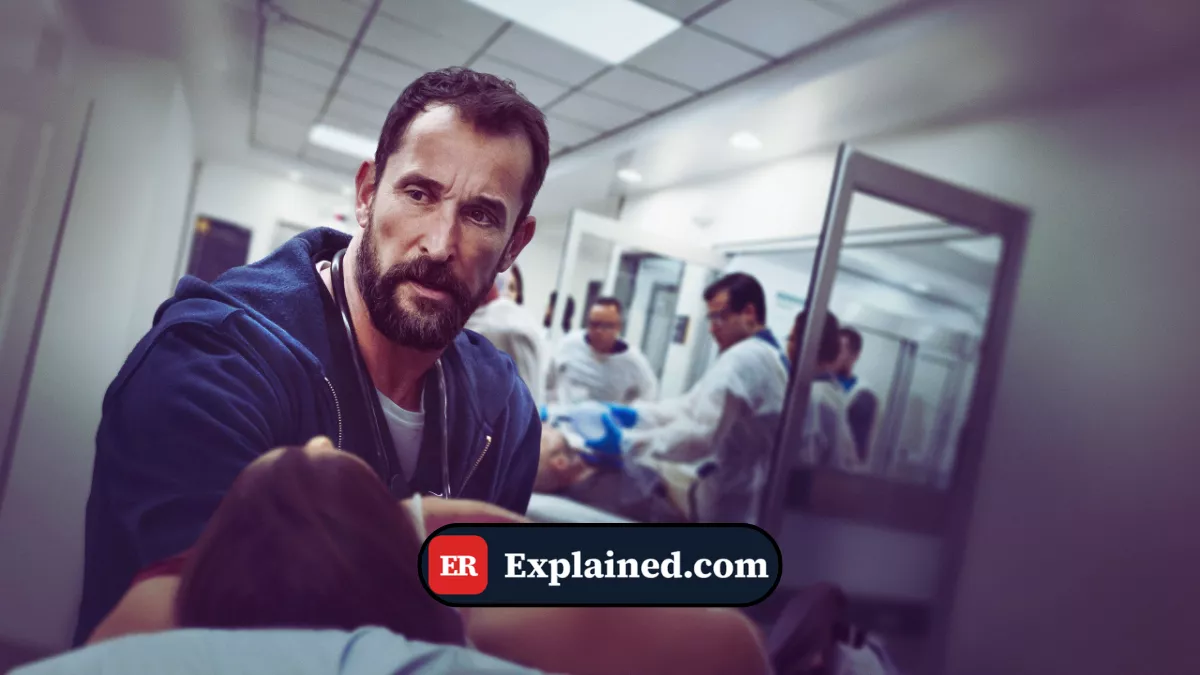
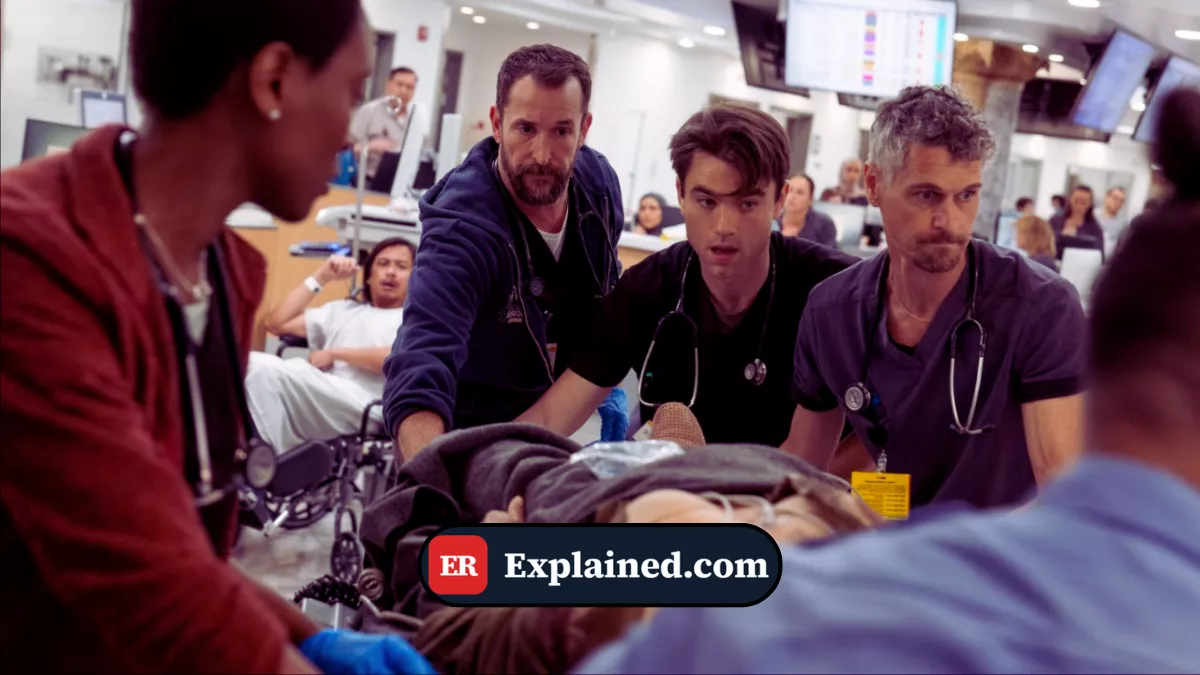
The Pitt — Episode 1-01, ER scene:
The overdose patient presents with severe cardiac arrhythmia. 'Possible long QT syndrome,' the cardiologist suspects. 'Continuous monitoring necessary.'
The case of Drug Overdose with Cardiac Complications presented in 'The Pitt' Episode 1-01 perfectly illustrates the clinical challenges faced daily in emergency departments. This real case, dramatized for educational purposes, offers a unique opportunity to learn about Drug Overdose with Cardiac Complications through a practical and engaging perspective. Detailed analysis of this case provides valuable insights into diagnosis, treatment, and complication management in high-pressure environments. This article explores the clinical, technical, and ethical aspects of this fascinating case.
What is Drug Overdose with Cardiac Complications?
Drug Overdose with Cardiac Complications refers to a specific clinical case of Drug Overdose with Cardiac Complications that was dramatized in the television series 'The Pitt'. This type of case is common in emergency departments worldwide, affecting thousands of patients annually. Deep understanding of this type of case is essential for any healthcare professional working in emergency settings.
The clinical presentation of Drug Overdose with Cardiac Complications involves a series of symptoms and signs that require rapid recognition and intervention. The typical patient presents with acute complaint that progresses rapidly if not treated appropriately. The underlying pathophysiology involves complex mechanisms affecting multiple body systems.
Appropriate management of Drug Overdose with Cardiac Complications requires a systematic approach that includes rapid assessment, accurate diagnosis, and immediate therapeutic intervention. The emergency team needs to be well-coordinated and each member should know their specific role in case management. Clear communication between team members is critical for success.
Presentation & Clinical Features
The clinical presentation of Drug Overdose with Cardiac Complications is variable and may depend on multiple factors, including patient age, comorbidities, and time since symptom onset. In the case dramatized in 'The Pitt', the patient presented with classic signs of Drug Overdose with Cardiac Complications, which were rapidly recognized by the experienced emergency department team.
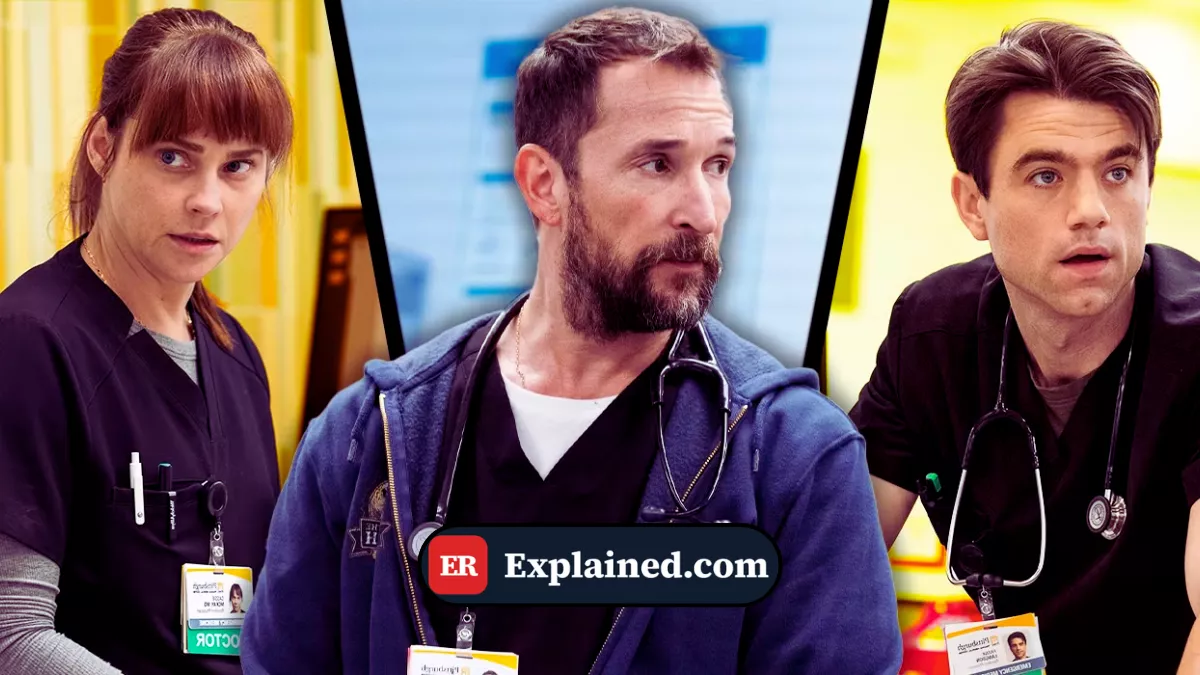
Initial symptoms may be subtle or dramatic, depending on condition severity. Some patients may present with only mild complaint that progresses rapidly, while others may arrive at the emergency department in critical condition. Detailed clinical history is essential to understand disease progression and guide management.
Vital signs are often abnormal in Drug Overdose with Cardiac Complications, with possible tachycardia, tachypnea, hypertension, or hypotension. Physical examination may reveal specific findings that help confirm diagnosis. The emergency team needs to be alert to signs of rapid deterioration that may indicate serious complications.
Diagnostic Approach
Diagnosis of Drug Overdose with Cardiac Complications requires a combination of clinical assessment and appropriate diagnostic tests. In the 'The Pitt' case, the team performed a series of tests that confirmed the diagnostic suspicion. Diagnostic tests may include laboratory exams, imaging studies, and continuous monitoring.
Laboratory findings in Drug Overdose with Cardiac Complications may include specific alterations that help confirm diagnosis. Imaging studies, such as chest X-ray, CT scan, or ultrasound, may reveal important findings. EKG and continuous cardiac monitoring are essential in many cases.
Correct interpretation of diagnostic tests is critical to avoid diagnostic delays. The emergency team needs to be familiar with expected findings and be able to recognize variations that may indicate complications or alternative diagnoses.
Emergency Treatment
Treatment of Drug Overdose with Cardiac Complications requires rapid and coordinated action from the emergency team. In the case dramatized in 'The Pitt', the team implemented a well-established protocol that resulted in clinical success. Treatment may include medications, procedures, and vital support.
Medications used in treating Drug Overdose with Cardiac Complications may vary depending on specific presentation and patient comorbidities. Dosage and route of administration are critical to ensure maximum efficacy. Continuous monitoring of patient response to medications is essential to adjust treatment as needed.
Procedures may be necessary in some cases to resolve the underlying condition or prevent complications. The emergency team needs to be prepared to perform procedures quickly if necessary. Vital support, including oxygen, mechanical ventilation, or hemodynamic support, may be necessary in severe cases.
Clear communication between team members is essential to ensure treatment is implemented efficiently and effectively. Each team member needs to know their role and be prepared to act quickly.
Outcomes & Learning Points
The outcome of the Drug Overdose with Cardiac Complications case in 'The Pitt' was positive, with the patient surviving and recovering well. This successful outcome resulted from rapid condition recognition, accurate diagnosis, and appropriate treatment. The case illustrates the importance of clinical experience and proper team preparation.
Key learning points from this case include the importance of rapid recognition of warning signs, the need for accurate diagnosis, and the importance of clear team communication. The case also illustrates how proper experience and training can result in better patient outcomes.
This case serves as an important reminder that even in challenging situations, with proper preparation and teamwork, positive outcomes are possible. Healthcare professionals working in emergency settings can learn much from this case and apply these lessons in their daily clinical practice.
Frequently Asked Questions
Q: What was the final diagnosis of the patient?
A: The final diagnosis was confirmed through a combination of clinical, laboratory, and imaging findings. The patient presented with classic signs and symptoms of the condition, which were rapidly recognized by the experienced team.
Q: How long did it take for the patient to recover?
A: Recovery time varied depending on condition severity and patient response to treatment. Some patients may recover in days, while others may take weeks or months.
Q: What were the potential complications in this case?
A: Potential complications included rapid deterioration, need for advanced vital support, and possible long-term sequelae. The team was prepared to recognize and manage these complications.
Q: What is the survival rate for this type of case?
A: Survival rate varies depending on multiple factors, including patient age, comorbidities, and time to treatment. With rapid diagnosis and appropriate treatment, survival rate is generally good.
Conclusion
The case of Drug Overdose with Cardiac Complications presented in 'The Pitt' Episode 1-01 offers a valuable opportunity to learn about Drug Overdose with Cardiac Complications through a practical and engaging perspective. The case illustrates the importance of rapid recognition, accurate diagnosis, and appropriate treatment in emergency settings.
Detailed analysis of this case provides valuable insights that can be applied in daily clinical practice. Healthcare professionals working in emergency settings can learn much from this case and improve their ability to recognize and treat similar conditions.
For more information on related topics, see our articles on Medical Conditions and Medical Procedures.
References
- PubMed - National Library of Medicine
- Mayo Clinic
- UpToDate
- American College of Emergency Physicians (ACEP)
- World Health Organization (WHO)
Disclaimer: This content is for educational purposes only and does not substitute for professional medical advice. Always consult a qualified healthcare professional for diagnosis and treatment of medical conditions. In case of emergency, call 911 or your local EMS.