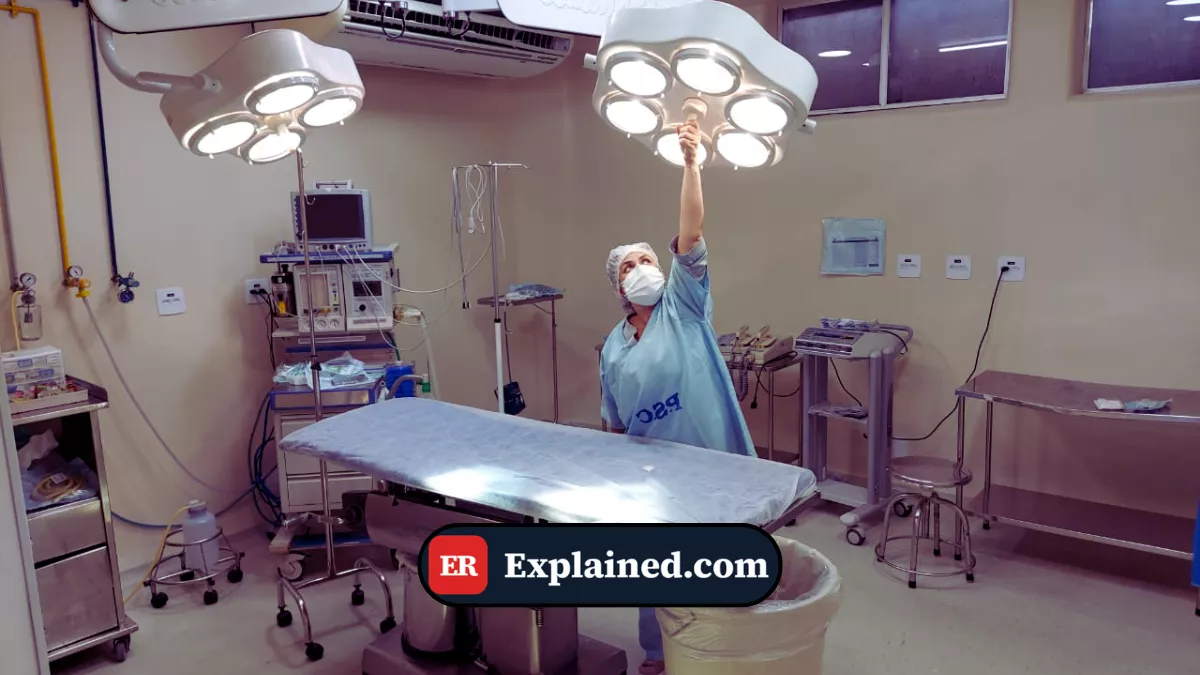
The Pitt — Episode 1-01:
Scene from episode related to spinal cord injury: vertebral trauma.
Spinal Cord Injury: Vertebral Trauma is a serious medical condition requiring rapid recognition and appropriate emergency management. As seen in Episode 1-01 of "The Pitt", careful clinical assessment and immediate treatment are essential to prevent complications and death. This is one of the most critical traumatic emergencies encountered in emergency departments.
What is Spinal Cord Injury: Vertebral Trauma?
Spinal Cord Injury: Vertebral Trauma is a traumatic injury affecting critical body structures. Understanding the pathophysiology is essential for appropriate recognition and treatment. This condition can vary in severity from mild to potentially fatal.
Causes & Clinical Context
Causes of spinal cord injury: vertebral trauma include multiple trauma mechanisms. Motor vehicle accidents, falls from height, penetrating injuries, and sports injuries are common causes. Epidemiology varies by population and geographic region. Patients with certain pre-existing medical conditions may have increased risk.
Signs & Symptoms
Clinical signs include acute presentation with specific symptoms. Recognition of these signs is critical for appropriate diagnosis and treatment. Symptoms may vary depending on injury severity and affected anatomic location.
Diagnosis
Diagnosis is made through careful clinical assessment and appropriate imaging studies. Plain radiographs, CT, ultrasound, and other tests may be necessary. In emergencies, clinical assessment may be sufficient to initiate treatment.
Emergency Treatment
Initial treatment involves patient stabilization and supportive management. Volume replacement, oxygen, and continuous monitoring are essential components. Specific interventions may include immobilization, drainage, or surgery depending on severity.
Prognosis & Complications
Prognosis depends on injury severity and speed of treatment. Complications may include infection, acute respiratory distress syndrome, shock, and death if not appropriately treated. Mortality rate varies depending on trauma type and severity.
Frequently Asked Questions
Q: What is the typical presentation?
A: Presentation varies but typically includes severe pain, vital sign changes, and signs of shock in severe cases.
Q: What is the risk of death?
A: If treated promptly, risk is reduced. However, treatment delays can be fatal.
Q: How long does recovery take?
A: Recovery varies depending on severity. Some patients recover in weeks, others take months.
Q: Do I need surgery?
A: Depends on severity. Some cases may be treated conservatively, others require surgical intervention.
Conclusion
Spinal Cord Injury: Vertebral Trauma is an emergency requiring rapid recognition and appropriate treatment. For more information, visit our Traumas & Injuries section.
Disclaimer
This content is for educational purposes only. Seek professional medical care for any medical condition.