
The acclaimed medical drama The Pitt, starring Noah Wyle, already has a guaranteed future. In a show of confidence from HBO Max, the series was renewed for a third season. The announcement came at a special moment: the night of the second season premiere in January 2026, when the cast and crew gathered to celebrate the new season. The news was delivered by HBO and HBO Max Chairman and CEO Casey Bloys himself, solidifying The Pitt as one of the platform's flagship series.
The early renewal comes as no surprise. The first season not only won over critics and audiences but also became a cultural phenomenon, praised by healthcare professionals for its accuracy and realism. The innovative format, which follows a 15-hour shift in the emergency room of Pittsburgh Trauma Medical Center in real time, proved to be a winning formula, attracting a loyal audience eager for more stories from Dr. Robby and his team.
What to Expect from The Pitt Season 3?
With the second season still airing, fans are already wondering where the story will go in the new episodes. Noah Wyle, who also serves as an executive producer, hinted at some of the themes the writers' room intends to explore. Speaking to the press, the actor made it clear that the series will continue to mirror the challenging reality of healthcare professionals in the United States, and that the current moment offers vast and urgent material to be addressed.
"When you have characters that are as rich and diverse and as multi-dimensional as the ones that we have, it's very easy to just sort of plot them into the future and figure out what they would be struggling with at that point," Wyle explained, as reported by Deadline. "But, obviously these cuts in Medicare, the ones that are going to affect Americans and put them off the rolls, hospital closures... there's all sorts of very pressing issues that are facing hospitals and health care workers in America, and we've only scratched the surface," the actor revealed.
Wyle's statement suggests that the third season will delve into systemic issues plaguing the U.S. public and private health system, such as lack of funding, work overload, and the human consequences of austerity policies. This approach is perfectly aligned with the show's DNA, which from its first episode has stood out for not shying away from discussing the structural problems of contemporary medicine.
The Connection to Emergency Medicine and The Pitt's Realism
The promise to address healthcare cuts and hospital crises in the third season reinforces The Pitt's commitment to realism and its almost documentary-like function. The series has become known for accurately portraying the daily challenges of an overcrowded and underfunded emergency room, a feat made possible thanks to consultations with dozens of doctors, nurses, and specialists, including Dr. Joe Sachs, a real-life emergency physician and executive producer.
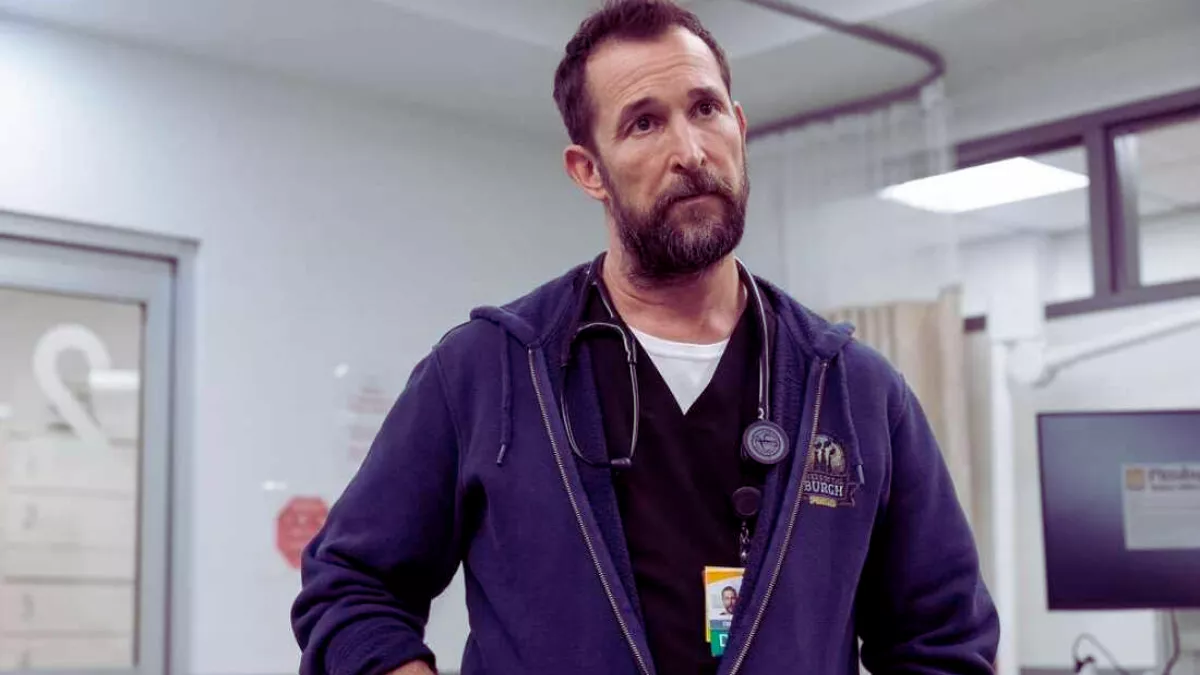
This dedication to authenticity has already yielded memorable and disturbingly real scenes, such as using maggots to treat a homeless patient or surgically gluing an actress's eye shut. More than the realism of the procedures, what touches healthcare professionals is the honest representation of post-traumatic stress, workplace violence, and physical and emotional burnout. By bringing debates about budget cuts and hospital closures into the plot, The Pitt positions itself as a platform for urgent discussions about the future of healthcare.
To better understand the psychological impact of the profession portrayed in the series, check out our article on the mental health of emergency professionals. Also revisit our episode recaps to catch up on everything that has happened.
Industry Context and the Success of The Pitt's Model
The third-season renewal also reflects a conscious strategy by HBO Max. Casey Bloys, the platform's CEO, had already publicly praised the show's production model. "Obviously, The Pitt was very instructive for us. I think as an industry, we've gotten away from television, which used to be 26 episodes. The standard whittled down to 22 episodes. But you really have to set that up from the beginning to give yourself worlds that generate, in this case, 15 hours of story. It's why hospital shows were a staple," Bloys explained to Deadline.
The executive's statement highlights a search for series that can maintain audience engagement for several weeks, reviving the idea of "appointment television." With 15 episodes per season, The Pitt offers a volume of content that allows for a more prolonged connection with the audience, something streaming services have sought to replicate. The show's success, which has already accumulated Emmy awards and a Golden Globe for Wyle, proves that audiences crave dense, well-constructed narratives, even in an era of increasingly shorter productions.
Fan Reaction and Cultural Impact
On social media, the renewal news was met with enthusiasm. Fans celebrate not only the series' continuity but the prospect of seeing their favorite characters face new challenges. The tension between Dr. Langdon, who returned after a stint in rehab, and Dr. Robby, who still seems wary of his colleague, is one of the most talked-about points of the second season. The introduction of Dr. Baran Al-Hashimi, who brings a more technological and direct approach to the ER, has also sparked heated debates among viewers.

Frequently Asked Questions About The Pitt Season 3
1. When will The Pitt season 3 premiere?
There is no confirmed release date yet. With the renewal announced in January 2026 and the second season still airing until April, production on the new batch of episodes is expected to begin in the coming months. Following the schedule of previous seasons, a premiere is not expected before 2027.
2. Will the third season continue the real-time format?
Yes, everything indicates the innovative format will be maintained. The 15-hours-over-15-episodes structure is The Pitt's signature and a pillar of its success, allowing for a deep dive into the hospital routine and character development.
3. How can the series address healthcare cuts without becoming a political show?
The Pitt's strength lies in showing the human impact of political and economic decisions. Instead of speeches, the series uses the cases that come through the ER doors to illustrate the consequences of bed shortages, resource scarcity, and pressure on professionals. The expectation is that the third season will continue to use this narrative approach to shed light on systemic issues.
The Future of The Pitt
With the second season still ongoing and the third already guaranteed, The Pitt solidifies its place as one of the most relevant medical dramas of our time. Noah Wyle's promise to tackle themes like healthcare cuts and hospital closures indicates the series will continue to be a courageous and necessary portrait of the reality of medicine. As we await the next chapters, the tip is to follow the second season, which airs every Thursday on HBO Max, and prepare for what's still to come in the hectic July 4th shift.