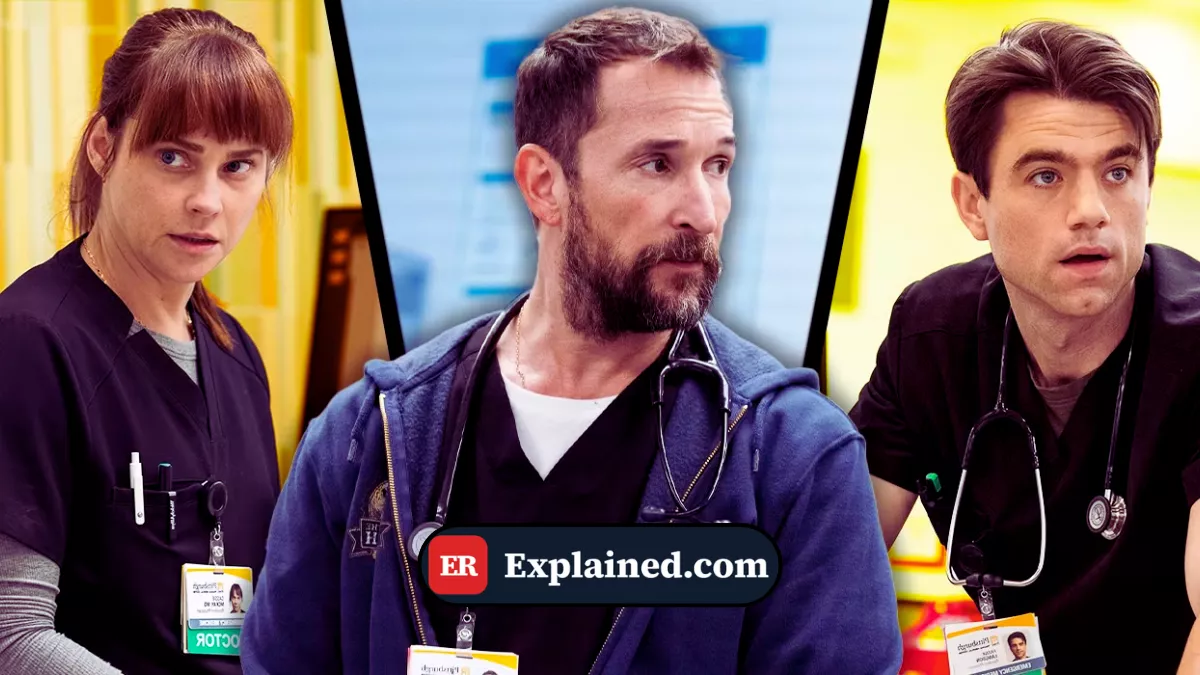
Detailed Medical Analysis of The Pitt Episode 1-01
The first episode of 'The Pitt' presents a series of complex medical cases that reflect the reality of modern emergency departments. This detailed analysis examines each procedure, diagnosis, and clinical decision shown in the episode, evaluating its medical accuracy and relevance to healthcare professionals. The episode not only entertains but also educates about established medical protocols and best practices in emergency medicine that save lives daily.
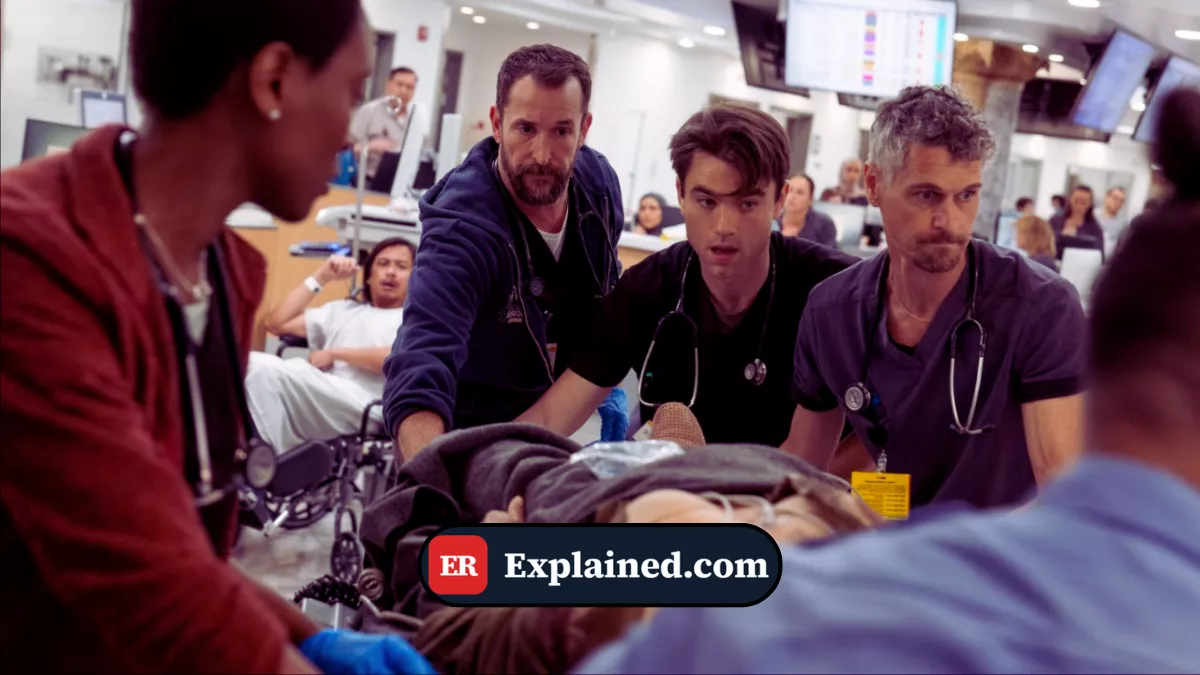
The episode opens with a mass casualty triage scenario, where over 50 patients arrive at the department in a short period. The emergency team implements established triage protocols, classifying patients according to the severity of their conditions using the START (Simple Triage and Rapid Treatment) system. This procedure is fundamental in patient overload situations and is executed with precision in the episode. Professionals quickly recognize which patients need immediate intervention and which can wait, a critical skill in emergency medicine that requires extensive training and practical experience.
One of the main cases involves a patient with atrial fibrillation complicated by intracranial hemorrhage. The clinical management presented in the episode reflects current treatment guidelines, including the need to reverse anticoagulation and manage intracranial pressure. The team uses appropriate medications such as calcium gluconate and mannitol, performs correct diagnostic procedures to confirm diagnosis through CT scan, and implements continuous intracranial pressure monitoring. This case illustrates the delicate balance between treating the underlying cardiac condition while managing potentially fatal complications that may arise.
Another significant case involves a patient in cardiac arrest with ventricular tachycardia. The episode shows the correct use of an automated external defibrillator, high-quality chest compressions maintaining a rate of 100-120 compressions per minute, and the LUCAS automated CPR device that allows professionals to perform other procedures while maintaining continuous compressions. The sequence of events follows Advanced Cardiac Life Support (ACLS) protocols with admirable precision, including administration of epinephrine at appropriate intervals and consideration of other reversible causes of cardiac arrest.
Endotracheal intubation is performed with appropriate technique, using a video laryngoscope for better visualization of the vocal cords. The episode shows the importance of confirming tube position through capnography, an essential procedure to avoid complications such as right mainstem intubation. The team also demonstrates appropriate knowledge about airway management in patients with potential cervical injury, using appropriate stabilization techniques that protect the spine.
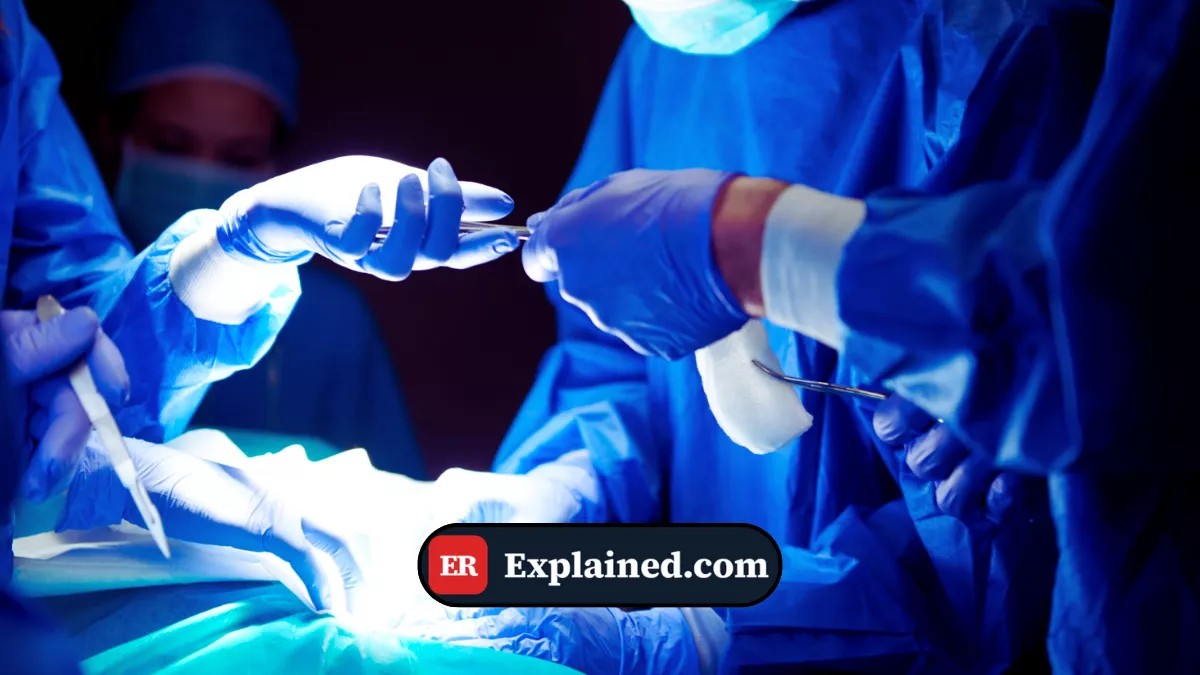
Hemorrhage management is another aspect highlighted in the episode. The team implements hemorrhage control protocols, including direct compression, extremity elevation, and vascular access for fluid replacement. The decision to call surgery for evaluation is appropriate and timely, reflecting the importance of communication between specialties in emergency medicine and the need for multidisciplinary coordination.
Analysis of arterial gases, electrolytes, and other laboratory parameters is performed quickly, allowing the team to make informed clinical decisions. The episode shows how laboratory results guide treatment and help identify potential complications such as hypokalemia or acidosis that may further compromise patient health.
The management of sedation and analgesia is presented realistically, with the team using appropriate medications in correct doses. The importance of communication between team members is emphasized, particularly when coordinating complex procedures and ensuring everyone is aware of the treatment plan and changes that occur.
In conclusion, episode 1-01 of 'The Pitt' presents a remarkably accurate representation of medical procedures and clinical decisions. For healthcare professionals, the episode serves as a valuable reminder of established protocols and the importance of teamwork in high-pressure environments. The series demonstrates that emergency medicine is both a science and an art, requiring deep technical knowledge, refined clinical judgment, and genuine human compassion for patients.
The precise medical details shown in the episode reflect extensive research and consultation with real emergency professionals. From the correct positioning of equipment to the appropriate sequence of medications, each element was carefully considered to ensure authenticity. This makes the series not only quality entertainment but also a valuable educational resource for medical students, healthcare professionals, and the general public interested in understanding how modern emergency medicine works.