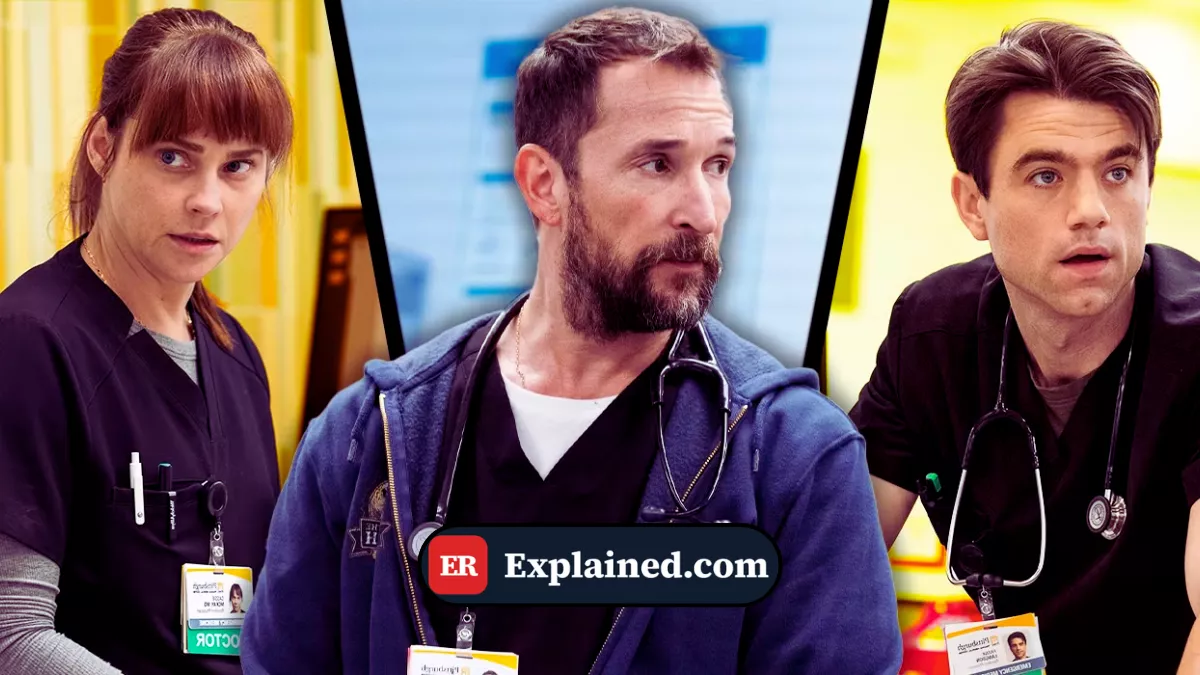
Comparison with Real Cases: The Pitt Episode 1-01
One of the most notable aspects of 'The Pitt' episode 1-01 is its impressive fidelity to real cases that occur in emergency departments every day around the world. This analysis compares the cases presented in the episode with documented real situations, showing how the series captures the reality of modern emergency medicine with precision and its unique challenges.
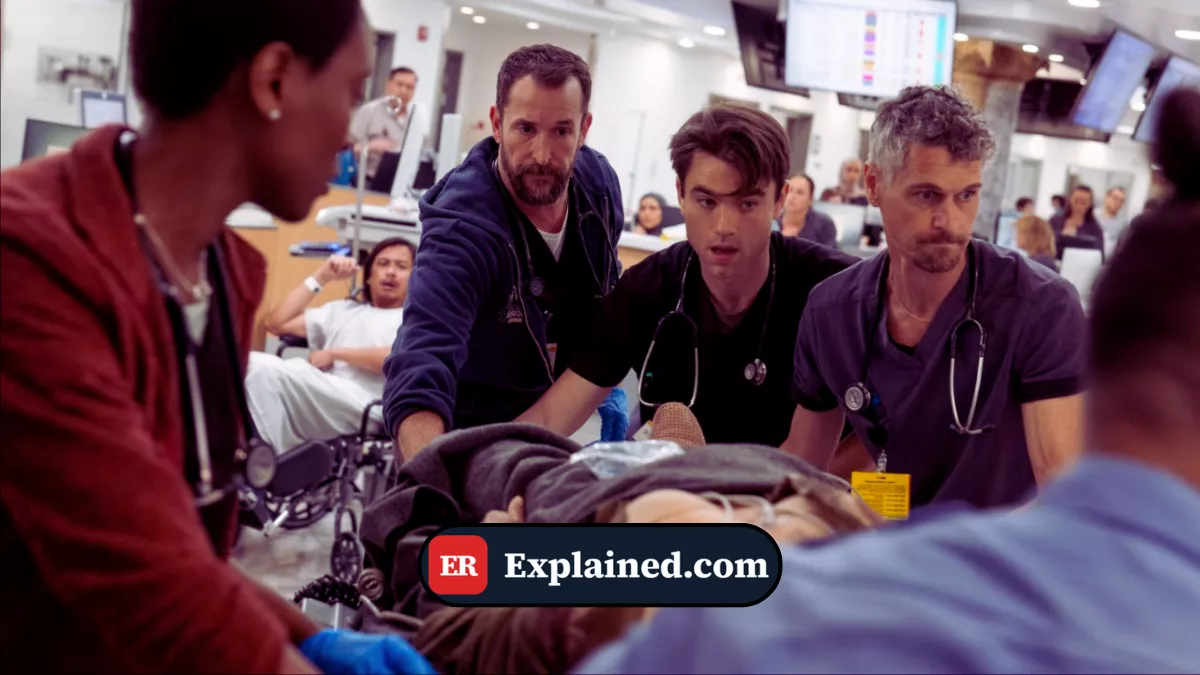
The mass casualty triage presented in the episode is based on real protocols used in emergency departments when there is significant patient overload. The color classification system (red for critical, yellow for urgent, green for minor, black for expectant) is used in real hospitals around the world and is presented accurately in the episode. This system was developed after real traumatic events and saves lives every day in disaster situations.
The case of atrial fibrillation with intracranial hemorrhage is a real example of a common and complex clinical dilemma that healthcare professionals face regularly. How to manage an anticoagulated patient who suffers an intracranial hemorrhage is a question that has no simple answer and requires difficult decisions. Real healthcare professionals face this situation frequently, and the management presented in the episode reflects current treatment guidelines.
Cardiac arrest with ventricular tachycardia is a case that occurs with alarming frequency in emergency departments. The use of automated external defibrillators and the LUCAS automated CPR device is increasingly common in real hospitals, particularly in well-equipped emergency departments. The episode shows these technologies being used appropriately and effectively.
De-gloving injury with open fracture is a type of trauma that really occurs in train accidents, industrial machinery accidents, and other traumatic events. The management presented in the episode, including the need for emergency surgery, care for complex wounds, and considerations for limb preservation, reflects the clinical reality that surgeons face.
Traumatic brain injury is one of the most common and potentially most serious traumas in emergency departments. The management presented in the episode, including rapid neurological assessment using the Glasgow Coma Scale, head CT scan, and continuous monitoring, is consistent with established real protocols.
Drug overdose with cardiac complications is an increasingly common case in emergency departments, reflecting the opioid crisis and other substances affecting communities worldwide. The management presented in the episode is realistic and reflects the unique and often frustrating challenges faced by real healthcare professionals.
Sepsis with pneumonia is one of the most common and potentially most lethal diagnoses in emergency departments. The rapid management with broad-spectrum antibiotics, as shown in the episode, is consistent with established sepsis protocols that have saved countless lives.
Comparing the episode with real cases, it is absolutely clear that 'The Pitt' was developed with extensive input from real medical consultants and deep research. The series captures not only the technical procedures with precision but also the human, emotional, and ethical reality of modern emergency medicine.