The Pitt — Episode 2, The CICO Moment
"[Doctor] Lots of swelling. I can't see the cords... and the edema's only going to get worse. [Surgeon] Which is why we should crike... [Dr. Langdon] We'll do an open technique since we have a minute. You're going to be making a vertical incision to avoid the jugulars in the carotids. OK, now we're going to make a horizontal incision across the cricothyroid membrane." — Trauma TeamIn emergency medicine, there is an acronym that makes any doctor's blood run cold: CICO (Cannot Intubate, Cannot Oxygenate). It is the moment when a patient's upper airway is so blocked or destroyed that a breathing tube cannot be passed through the mouth, and they cannot be ventilated with a bag-mask. The patient is literally suffocating to death in front of the team. In Episode 2 of The Pitt, trauma patient Ben Kemper enters CICO due to massive swelling from a facial fracture. When Rapid Sequence Intubation (RSI) fails, the team has no choice but to bypass the face entirely and go straight into the windpipe. Dr. Langdon guides resident Mel through a Cricothyrotomy (often simply called a "Crike").
What is a Cricothyrotomy?
A cricothyrotomy is an emergency surgical procedure designed to establish a rapid airway. Unlike a traditional tracheostomy (which is a slower, more complex operating room procedure done lower on the neck), a "crike" is done higher on the neck and can be performed in under 60 seconds by an experienced emergency physician. The procedure involves making an incision through the skin and the cricothyroid membrane—a thin band of connective tissue located just below the thyroid cartilage (the "Adam's apple") and above the cricoid cartilage. This site is chosen because it is the most superficial, easily accessible point of the airway, with the fewest major blood vessels in the way.Anatomy and the Open Technique
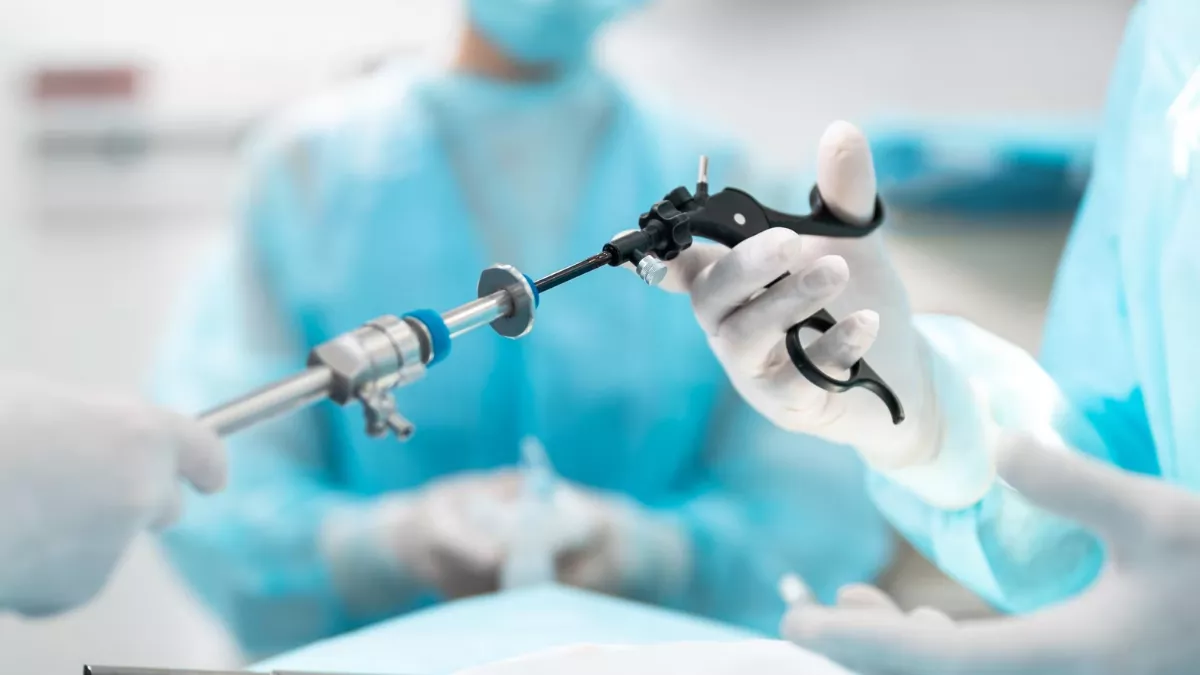
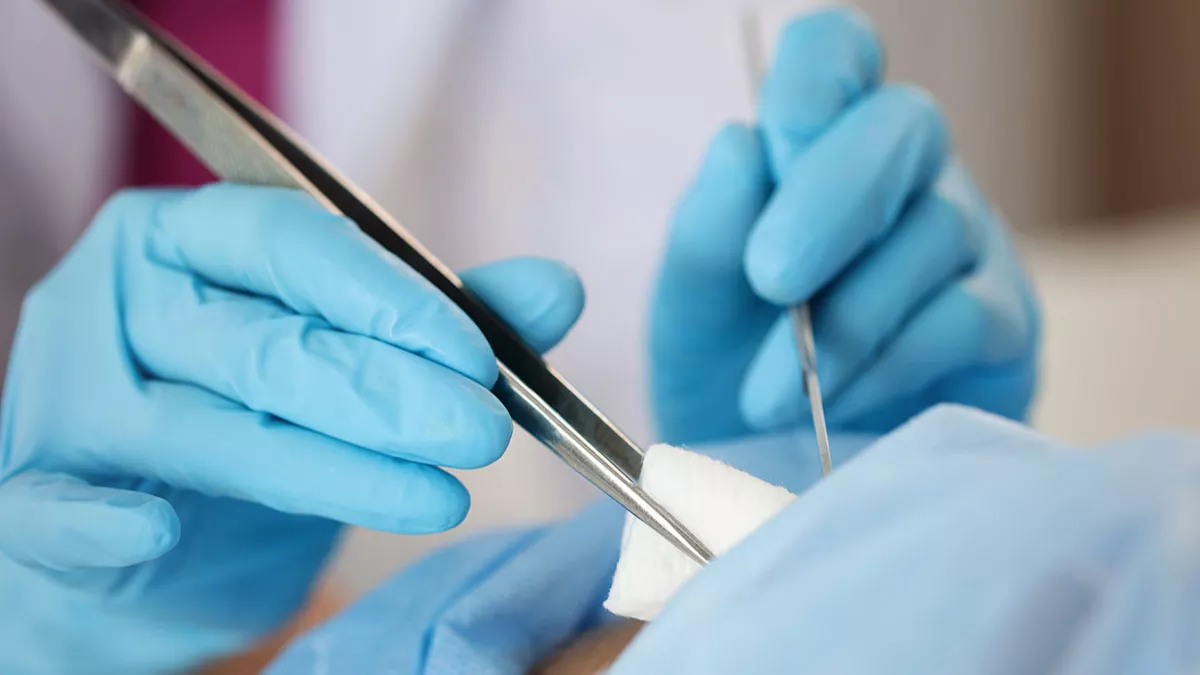
In the episode, Dr. Langdon instructs Mel to use the "open technique." They have this luxury of time because they managed to temporarily stabilize Ben's oxygen saturation using a supraglottic rescue device (like an I-gel mask). The step-by-step open surgical technique: 1. Identifying Landmarks: The doctor extends the patient's neck and uses their fingers to palpate the thyroid cartilage and slide down until they feel the small divot that is the cricothyroid membrane. 2. Vertical Skin Incision: Dr. Langdon specifically instructs: "You're going to be making a vertical incision to avoid the jugulars in the carotids." A vertical skin incision (about 3-5 cm) allows the doctor to spread the skin and fat without cutting the massive blood vessels on the sides of the neck. 3. Retraction: Retractors (like the Weitlaner retractor mentioned in the scene) are used to hold the wound open. 4. Horizontal Membrane Incision: Once the white, shiny membrane is exposed, a careful horizontal incision is made through it. Air often hisses audibly at this point. 5. Hook Stabilization: A tracheal hook is inserted to lift the cricoid cartilage, keeping the hole open and preventing the trachea from slipping under the skin. 6. Tube Insertion: A small cuffed breathing tube (often a 4.0 or 6.0 Shiley tracheostomy tube) is inserted directly into the trachea. 7. Confirmation: The cuff is inflated, a bag-valve-mask is attached, and the team uses a Capnography Monitor to check for exhaled carbon dioxide, confirming the tube is in the lungs and not the neck tissue.The Rapid Technique (Scalpel-Finger-Bougie)
If the patient were actively dying without oxygen, they would not do the open technique. Dr. Langdon mentions: "If this was a crike that needed to happen in seconds, you could use a 10 blade, your finger, and a bougie." This is the most commonly taught surgical airway technique today. The doctor makes one large cut straight down to the membrane, shoves their index finger into the hole to feel the trachea, slides an Intubation Bougie along their finger into the lungs, and then slides a standard endotracheal tube over the bougie.Indications: When to Cut the Neck?
A cricothyrotomy is almost never plan A. It is reserved for: - Massive Facial Trauma: As seen in The Pitt, where broken bones and blood obscure the airway. For more on how trauma is managed, see Trauma Resuscitation. - Severe Anaphylaxis: When allergic swelling completely closes the throat and epinephrine fails. - Unremovable Foreign Body: If a patient is choking on something lodged above the vocal cords that cannot be removed with forceps. - Anatomical Anomalies: Neck tumors or radiation scarring that prevent oral intubation.Risks and Complications
Cutting into a bleeding patient's neck is inherently dangerous: - Bleeding: The thyroid gland, located just below the incision site, is highly vascular. Accidentally cutting it causes severe hemorrhage. - False Passage: The deadliest risk is inserting the tube into the space between the skin and the trachea rather than *inside* the trachea. The patient will get no oxygen, and air will be forced into the neck tissues (subcutaneous emphysema). - Subglottic Stenosis: Damage to the cricoid cartilage can cause long-term scarring, narrowing the airway permanently. This is why a "crike" is temporary; surgeons often convert it to a formal tracheostomy in the OR within 24 to 48 hours.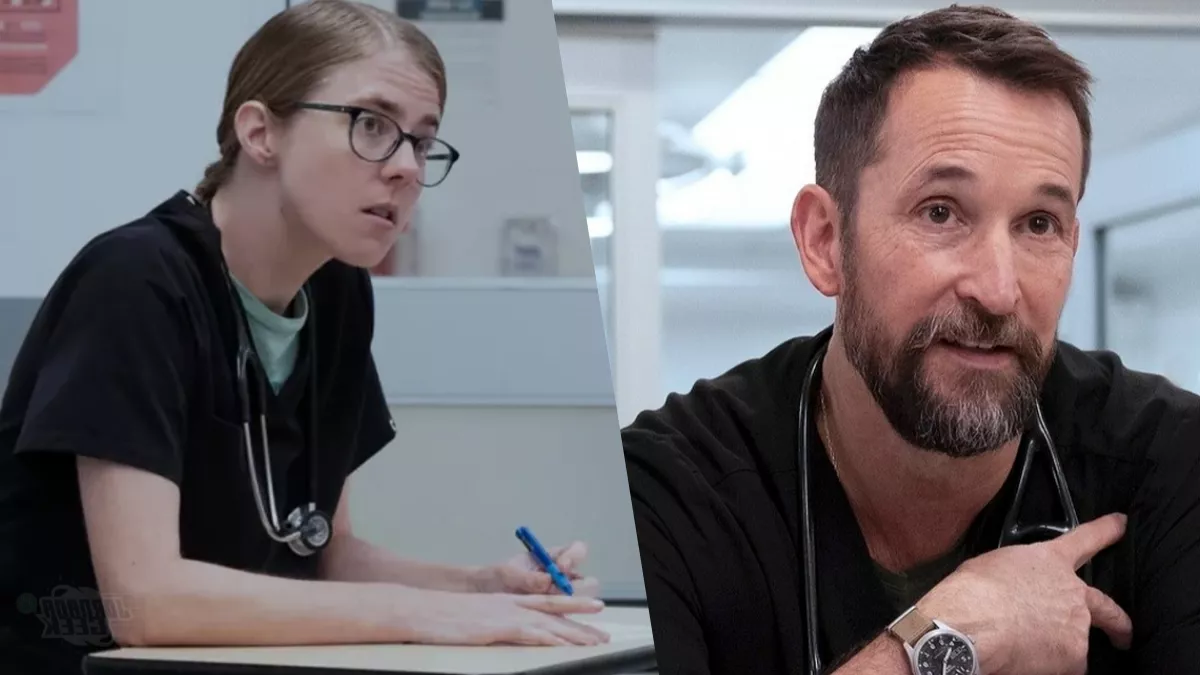
Frequently Asked Questions (FAQ)
What is the difference between a Cricothyrotomy and a Tracheostomy?
A cricothyrotomy is done higher on the neck (through the cricothyroid membrane), is much faster to perform, and is strictly used for lifesaving emergencies. A tracheostomy is done lower on the neck (cutting into the actual tracheal rings), requires more surgical dissection, and is used for patients needing long-term ventilator support.Can a non-medical person perform this with a pen (like in the movies)?
The classic Hollywood scene where someone stabs a choking person's throat with a ballpoint pen is highly unrealistic. The anatomy of the neck is tough, the risk of hitting a major blood vessel is extreme, and a pen tube is far too narrow to provide adequate airflow for an adult.Conclusion
The depiction of the Cricothyrotomy in The Pitt is a prime example of the brutal, yet lifesaving nature of emergency medicine. When physiology fails and anatomy is destroyed, doctors must have the courage and skill to take control by surgical force. For the CICO patient, the small incision in the neck is literally the only gateway to oxygen and survival.This content is for educational and informational purposes only. It does not replace professional medical advice, diagnosis, or treatment. In case of a medical emergency, call 911/EMS immediately or go to the nearest emergency room.
References: [1] Difficult Airway Society (DAS): Intubation Guidelines [2] UpToDate: Emergency cricothyrotomy in adults [3] StatPearls: Cricothyroidotomy [4] EMCrit: The Surgical Airway