The Pitt — Episode 2, A Father's Anxiety
"[Dr. Robby] He is just sleeping. [Father] But he ate one of those weed gummies, his breathing is so slow! Aren't you going to pump his stomach or give him some medicine? [Dr. Robby] The best thing we can do right now is observe him. His vitals are stable. We just monitor until it wears off." — Emergency RoomIn emergency medicine, doctors are trained for action: intubate, shock, cut, medicate. Patients and their families, influenced by TV medical dramas, expect the same level of aggressiveness for every problem. However, one of the most difficult procedures to execute in a crowded emergency department is restraint. In Episode 2 of The Pitt, Dr. Robby deals with a young boy who accidentally ingested his father's THC (marijuana) gummy. The panicking father demands aggressive interventions like gastric lavage. Dr. Robby, using his clinical judgment, prescribes a very specific procedure: **Clinical Observation and Monitoring**.
What is the Clinical Observation Procedure?
Clinical observation is not "doing nothing" or ignoring the patient. It is an active, continuous, and documented medical procedure. It involves the serial assessment of a patient's physiological and neurological state over time, awaiting the natural resolution of a benign condition or watching for the early signs of a dangerous complication. In the context of the emergency department, placing a patient on "observation status" means allocating resources (a bed, nursing time, monitoring equipment) without initiating invasive pharmacological or surgical interventions.The Components of Monitoring
For the boy who ingested THC, observation does not just mean looking at him from across the room. It involves rigorous physiological monitoring: 1. **Continuous Cardiorespiratory Monitoring:** The patient is connected to a Cardiac Monitor to watch for arrhythmias (though rare with THC, tachycardia is common). 2. **Continuous Pulse Oximetry:** A Pulse Oximeter is placed on the finger to ensure the sleep-induced respiratory depression does not cause oxygen levels to drop below 94%. 3. **Serial Neurological Checks (Neuro Checks):** Every 1 to 2 hours, the nurse must wake the patient (or attempt to) to assess their level of consciousness using the Glasgow Coma Scale (GCS). They check if the pupils react to light and if the patient can follow simple commands.Why Wasn't Gastric Lavage Used?
The father's demand to "pump his stomach" (gastric lavage) reflects an outdated medical practice that has been almost entirely abandoned in modern toxicology. Gastric lavage involves forcing a thick tube down the nose or mouth into the stomach and flushing it with water. It is brutal, painful, and carries massive risks: - **Aspiration Risk:** The patient can vomit during tube insertion and inhale the vomit into their lungs, causing lethal chemical pneumonia. - **Esophageal Damage:** The tube can puncture the esophagus. - **Time Inefficiency:** Unless the patient arrives within 30 to 60 minutes of swallowing a fatal pill, the drug has already passed into the intestines. In the boy's case, the THC gummy was already being digested. Activated charcoal is another historical option, but it is only given if the ingested toxin is lethal and if given very early. THC, while causing deep sedation and panic in children, does not cause lethal respiratory arrest like opioids (which require Narcan). The risk of forcing charcoal into a sleepy child far outweighs the benefit of removing the THC.Indications for Observation and Monitoring
Beyond benign intoxications (like uncomplicated marijuana or alcohol), the observation protocol is the standard of care for several emergency conditions: - **Mild Concussions:** Patients with mild head trauma with normal CT scans are often observed for 4 to 6 hours to ensure they don't develop a slow brain bleed. - **Syncope (Fainting) of Unknown Cause:** Cardiac monitoring to see if a hidden arrhythmia caused the fall. - **Low-Risk Chest Pain:** Patients whose initial EKGs do not show a heart attack are placed in observation units for 12 to 24 hours to repeat blood tests and ensure they aren't having a micro-infarction.The Art of Reassuring the Family
The most challenging aspect of the observation procedure is not medical, it is psychological. Dr. Robby had to manage the patient's father. In emergency medicine, "treating the family" is often just as important as treating the patient. Clear communication is vital. The doctor must explain the physiology of what is happening ("The drug is depressing his nervous system, making him sleep deeply"), set expectations ("He will likely sleep for another 4 to 6 hours"), and explain the safety parameters ("We have alarms set; if his breathing drops below a certain level, the machine will tell us instantly").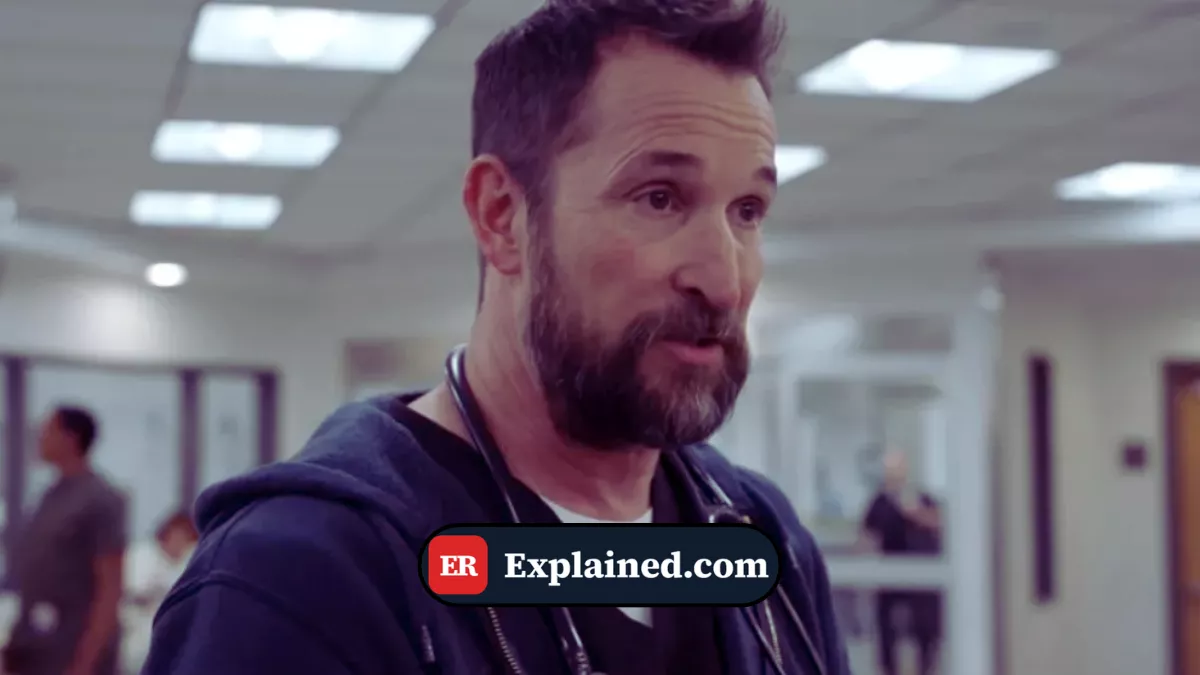
Frequently Asked Questions (FAQ)
Are marijuana (THC) gummies dangerous to children?
Yes. While THC is rarely fatal to adults, a child's brain is much smaller and more sensitive. Accidental ingestion of marijuana edibles can cause severe sedation, confusion, vomiting, and in rare cases, respiratory depression deep enough to require short-term Endotracheal Intubation. Safe storage is critical.Why doesn't the hospital give an antidote to wake the boy up?
Unlike opioids (which have Narcan) or benzodiazepines (which have Flumazenil), there is no approved reversal antidote drug for marijuana intoxication. The only treatment is time and vital sign support.Is the hospital required to call Child Protective Services in this case?
In most jurisdictions (including the one portrayed in The Pitt), ER doctors are "mandated reporters." If a child ingests illicit drugs or adult prescription medications due to parental negligence (leaving drugs within reach), the hospital social worker or Child Protective Services (CPS) must often be notified to evaluate the safety of the home environment before the child is discharged.Conclusion
Dr. Robby's interaction in Episode 2 of The Pitt highlights that good medicine does not always mean aggressive intervention. The Clinical Observation and Monitoring procedure is a testament to a doctor's confidence in their knowledge of toxicology and the natural course of disease. Protecting a patient sometimes means protecting them from unnecessary, harmful medical procedures, allowing the oldest cure in medicine—time—to do its work.This content is for educational and informational purposes only. It does not replace professional medical advice, diagnosis, or treatment. In case of a medical emergency, call 911/EMS immediately or go to the nearest emergency room.
References: [1] American Academy of Pediatrics (AAP): Poison Control [2] UpToDate: Cannabis (marijuana): Acute intoxication [3] StatPearls: Cannabis Toxicity [4] ACEP: Observation Medicine