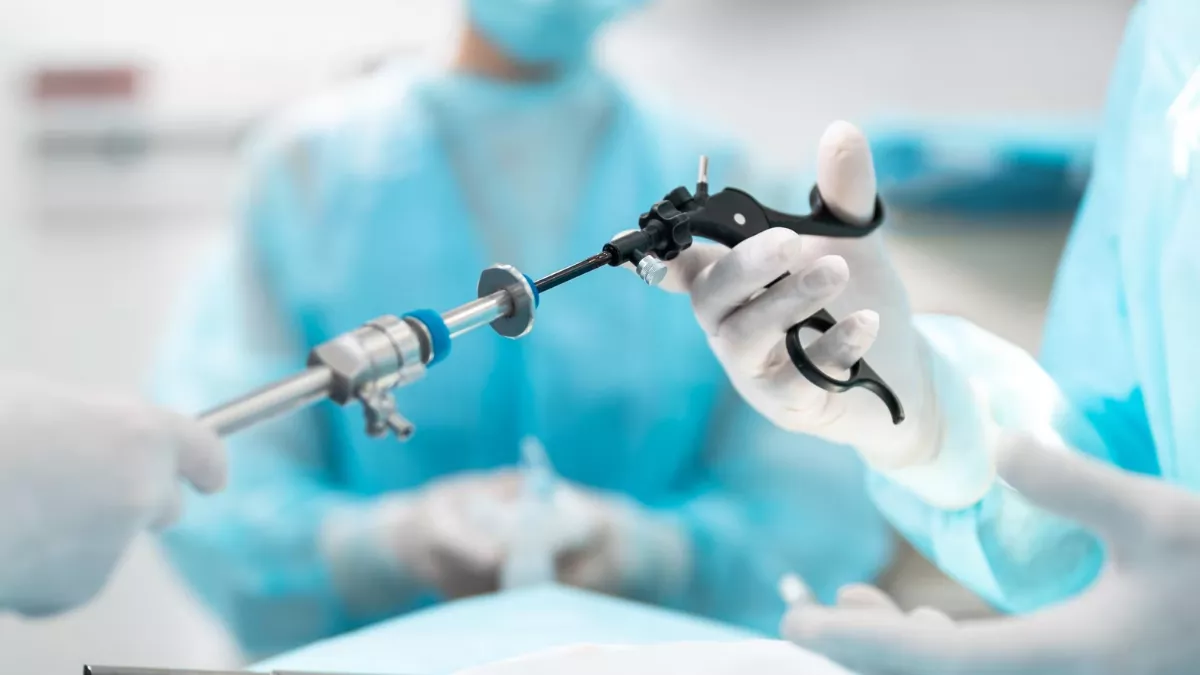
The Pitt — Episode 1-01, ER scene:
The patient goes into cardiac arrest. 'Start CPR!' the doctor shouts. The LUCAS device is positioned. 'Continue compressions, 100 to 120 per minute.'
Cardiopulmonary Resuscitation is a critical medical procedure that requires specialized training and technical precision. As seen in 'The Pitt' Episode 1-01, this procedure can be performed under challenging conditions and extreme pressure. A deep understanding of Cardiopulmonary Resuscitation, including its indications, technique, complications, and post-procedure care, is essential for any healthcare professional working in emergency settings. This article provides a comprehensive analysis of this procedure, exploring its technical, clinical, and therapeutic aspects.
What is Cardiopulmonary Resuscitation?
Cardiopulmonary Resuscitation is an invasive or minimally invasive procedure that involves a series of carefully planned and executed technical steps. The clinical definition involves a detailed understanding of the anatomy involved, the objectives of the procedure, and the potential risks and benefits. This procedure has been extensively studied through clinical research, resulting in standardized protocols and refined techniques that maximize success and minimize complications.
The underlying pathophysiology of Cardiopulmonary Resuscitation involves a deep understanding of how the procedure affects body systems and how it resolves the underlying medical problem. Healthcare professionals who perform this procedure need to be completely familiar with all mechanisms involved and how the procedure interacts with patient physiology.
The indications for Cardiopulmonary Resuscitation vary depending on the patient's clinical condition, disease severity, and available therapeutic options. Appropriate patient selection is critical for procedure success. Healthcare professionals need to be able to identify patients who will benefit most from the procedure and those in whom the procedure may be harmful.
Indications & Clinical Context
The indications for Cardiopulmonary Resuscitation are well-established and based on robust clinical evidence. Understanding when to perform the procedure and when to avoid it is crucial for optimizing patient outcomes. Healthcare professionals need to be aware of all indications, as well as relative and absolute contraindications.
The clinical context in which Cardiopulmonary Resuscitation is performed is important for understanding its application and efficacy. Some patients may be ideal candidates for the procedure, while in others, factors such as comorbidities, advanced age, or hemodynamic instability may complicate execution and increase the risk of complications.
Pre-procedure evaluation is essential to ensure the patient is adequately prepared and that all risks have been identified and mitigated. This may include diagnostic tests, coagulation assessment, and discussion of risks and benefits with the patient. Clear communication with the patient about what to expect during and after the procedure is important for obtaining informed consent.
Technique & Procedure Steps
The technique for Cardiopulmonary Resuscitation involves a series of carefully sequenced steps that must be executed with precision. Detailed understanding of each step is essential for procedure success. Healthcare professionals need extensive practice under supervision before performing the procedure independently.
The first step usually involves proper patient preparation, including positioning, cleaning and disinfection of the procedure area, and appropriate anesthesia. Selection of the correct equipment is critical, as different patients may require variations in technique or equipment.
Subsequent steps involve the technical execution of the procedure itself. This may include locating specific anatomical structures, navigating through complex structures, and performing the therapeutic intervention. Throughout the procedure, continuous patient monitoring is essential to detect complications early.
After procedure completion, appropriate post-procedure care is necessary to ensure proper patient recovery and prevent complications. This may include observation, medications, and home care instructions.
Complications & Management
Potential complications associated with Cardiopulmonary Resuscitation vary in frequency and severity. Healthcare professionals need to be aware of all potential complications and be prepared to recognize and treat them quickly. Some complications are minor and self-limited, while others can be serious and potentially fatal.
Immediate complications may occur during or shortly after the procedure, while late complications may develop days, weeks, or even months after the procedure. Knowledge of potential complications allows healthcare professionals to monitor patients appropriately and implement prevention strategies.
Management of complications depends on the nature and severity of the complication. Some complications can be managed conservatively, while others may require additional intervention. Prompt communication with the patient and family about any complication is important to maintain trust and ensure the best possible outcome.
Outcomes & Success Rates
The outcomes of Cardiopulmonary Resuscitation vary depending on multiple factors, including the experience of the professional performing the procedure, patient characteristics, and case complexity. Success rates are generally high when the procedure is performed by experienced professionals in well-selected patients.
The definition of "success" may vary depending on the procedure's objective. For some procedures, success may be defined as successful procedure completion without complications. For others, success may be measured by long-term clinical outcomes.
Outcomes studies have demonstrated that Cardiopulmonary Resuscitation is effective in most cases when performed appropriately. However, it is important to remember that no procedure has a 100% success rate, and some patients may not benefit from the procedure or may experience complications.

Frequently Asked Questions
Q: How long does the procedure take?
A: Procedure time varies depending on case complexity and professional experience. Generally, the procedure takes between 30 minutes and 2 hours, but can vary significantly.
Q: Is anesthesia necessary?
A: Most procedures require some type of anesthesia, which may range from local anesthesia to general anesthesia, depending on the procedure's nature and patient preferences.
Q: What is the recovery time?
A: Recovery time varies depending on the type of procedure and individual patient response. Some patients may return to normal activities in a few days, while others may take weeks.
Q: What are the main risks?
A: Main risks vary depending on the specific procedure, but may include bleeding, infection, injury to adjacent structures, and anesthetic complications.
Conclusion
Cardiopulmonary Resuscitation is an important medical procedure that requires specialized training and clinical experience. As seen in 'The Pitt' Episode 1-01, the ability to perform this procedure successfully is essential to provide quality care and protect patients. Healthcare professionals working in emergency departments need to be completely familiar with all aspects of this procedure.
Continuous education, regular training, and deliberate practice are essential to maintain technical competency. The accumulated experience of many years of clinical practice demonstrates that investment in education results in better patient outcomes.
For more information on related topics, see our articles on Medical Instruments and Medical Conditions.
References
- PubMed - National Library of Medicine
- Mayo Clinic
- UpToDate
- American College of Emergency Physicians (ACEP)
- World Health Organization (WHO)
Disclaimer: This content is for educational purposes only and does not substitute for professional medical advice. Always consult a qualified healthcare professional for diagnosis and treatment of medical conditions. In case of emergency, call 911 or your local EMS.