The Pitt — Episode 2, The Struggle to Breathe
"[Dr. Robby] His oxygen levels are dropping... BiPAP, 15 over 5. [Daughter] What's a BiPAP? [Dr. Robby] It is a pressurized air mask that can improve his oxygen. His lungs are filling up with fluid. [Daughter] But no tubes? [Dr. Robby] No tubes." — Medical Team
In emergency medicine, when a patient's lungs begin to fail, the immediate instinct is often to place a breathing tube. However, not every patient wants or should be intubated. In Episode 2 of The Pitt, Dr. Robby faces an ethical and medical dilemma with Mr. Spencer, an elderly patient suffering from severe pneumonia and septic shock. To treat Mr. Spencer's dangerously low blood pressure, the team had to pump his body full of Normal Saline. The complication? The fluid leaked into his lungs, causing pulmonary edema and drowning him from the inside. Because Mr. Spencer has a strict "Do Not Intubate" (DNI) advanced directive, Dr. Robby must turn to a life support procedure that respects the patient's wishes: **BiPAP Application**.
What is the BiPAP Application Procedure?
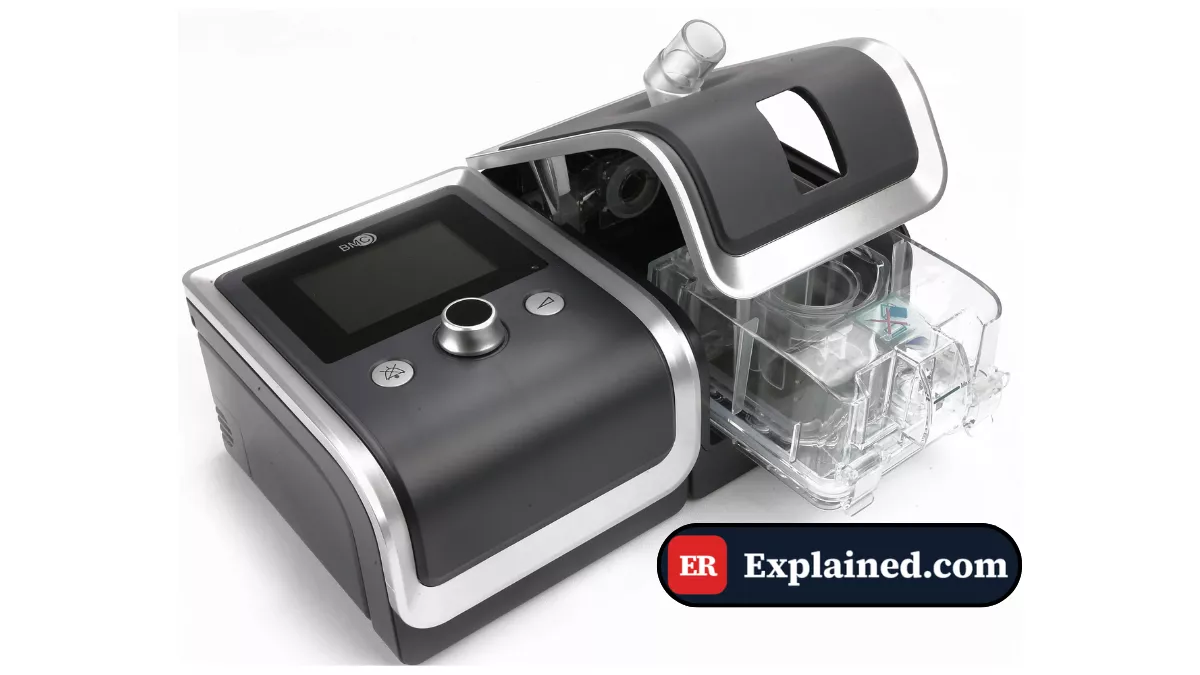
BiPAP stands for "Bilevel Positive Airway Pressure." It is a form of Non-Invasive Ventilation (NIV). The procedure does not involve inserting anything down the patient's throat. Instead, it involves applying a tightly sealed facial or nasal mask over the patient's face. This mask is connected to a specialized Mechanical Ventilator that blows pressurized air into the airway. The key to BiPAP, as the name suggests, is that the machine provides air at *two different pressure levels*, which the doctor specifically prescribes.
The Two Pressures (IPAP and EPAP)
In the scene, Dr. Robby orders "BiPAP, 15 over 5." What do these numbers mean? 1. **IPAP (Inspiratory Positive Airway Pressure) - The "15":** When the machine senses the patient trying to breathe in, it delivers a high-pressure blast of air (15 cmH2O). This acts as a push, helping the patient's tired respiratory muscles pop the lungs open and pull a deep breath. 2. **EPAP (Expiratory Positive Airway Pressure) - The "5":** When the patient breathes out, the machine drops the pressure, but it does not let it fall to zero. It maintains a constant pressure of 5 cmH2O. This is crucial. This continuous pressure acts as an invisible "stent" of air, keeping the tiny air sacs (alveoli) open and preventing them from collapsing at the end of every breath.
How Does BiPAP Treat Pulmonary Edema?
For Mr. Spencer, the BiPAP isn't just helping him breathe; it is actively treating the cause of his respiratory failure. His lungs are full of fluid (pulmonary edema). The air pressure from the BiPAP machine (specifically the EPAP) physically pushes that fluid out of the alveoli and back into the bloodstream, clearing the area so oxygen can pass into the blood again. It is often described in emergency medicine as "squeezing the sponge."
How is the Procedure Performed?
Applying BiPAP is not as simple as just strapping on a mask. It requires training and careful monitoring: 1. **Mask Selection:** The respiratory therapist selects a mask that perfectly fits the patient's face (usually covering the nose and mouth) to create an airtight seal. 2. **Machine Setup:** The doctor sets the IPAP, EPAP, and FiO2 (the percentage of oxygen mixed into the air, often starting at 100% in an emergency and weaning down). 3. **Patient Coaching:** The most difficult moment is when the mask is first applied. The high-pressure air blowing into the face can cause severe claustrophobia and panic. The nurse or therapist must "coach" the patient, telling them to relax and let the machine do the work. In some cases, a small dose of an anti-anxiety medication is given to help the patient tolerate the mask. 4. **Monitoring:** The team closely monitors the patient using a Pulse Oximeter to ensure oxygen levels rise, and they frequently draw arterial blood gases (blood from the wrist) to check carbon dioxide levels.
Indications: Who Needs BiPAP?
Beyond the pulmonary edema seen in the episode, BiPAP is a first-line treatment for several respiratory emergencies: - **COPD Exacerbation:** Patients with emphysema often retain toxic carbon dioxide. BiPAP helps them blow the poisonous gas out of their bodies. - **Severe Asthma:** To decrease the work of breathing before the muscles tire out completely. - **Severe Pneumonia:** As a bridge to help oxygenation while antibiotics begin to work.
Contraindications: When is BiPAP Dangerous?
Despite being non-invasive, BiPAP cannot be used on everyone. It is contraindicated if the patient: - **Is Comatose or Unconscious:** The patient must be awake enough to protect their own airway. If they vomit into the mask while unconscious, the machine will force the vomit directly into their lungs. In these cases, Endotracheal Intubation is required. - **Has Facial Trauma:** A mask cannot seal over broken bones, as seen with patient Ben Kemper in this same episode. - **Has Stopped Breathing (Apnea):** The machine assists breathing, but it does not breathe *for* the patient if their brain has stopped sending the signal to breathe.
Frequently Asked Questions (FAQ)
What is the difference between CPAP and BiPAP?
CPAP (Continuous Positive Airway Pressure) provides only *one* constant pressure during both inhalation and exhalation. It is most commonly used at home for sleep apnea. BiPAP provides *two* different pressures (a high one to breathe in, a low one to breathe out), making it much more effective for sick hospital patients who are too weak to exhale against a continuous high pressure.
Can BiPAP cure the patient?
No. BiPAP is a supportive therapy. It keeps the patient alive, oxygenated, and comfortable while the medical team treats the root cause of the problem (like giving diuretics to remove the fluid or antibiotics to cure the Pneumonia).
What happens if the BiPAP fails?
If the patient continues to deteriorate despite BiPAP (oxygen levels drop or they become exhausted), the standard next step is intubation and invasive mechanical ventilation. However, in Mr. Spencer's case, because he is "Do Not Intubate," if the BiPAP fails, the team will transition to comfort-focused palliative care.
Conclusion
Dr. Robby's decision to use BiPAP in Episode 2 of The Pitt demonstrates the delicate balance of modern emergency medicine: providing aggressive, lifesaving interventions while strictly respecting the ethical boundaries of a patient's end-of-life wishes. BiPAP serves as the maximum support science can offer without crossing the line of intubation, giving patients in respiratory failure a fighting chance to recover.
This content is for educational and informational purposes only. It does not replace professional medical advice, diagnosis, or treatment. In case of a medical emergency, call 911/EMS immediately or go to the nearest emergency room.
References: [1] American Lung Association: BiPAP [2] UpToDate: Noninvasive ventilation in adults with acute respiratory failure [3] StatPearls: Noninvasive Ventilation [4] ACEP: Noninvasive Ventilation Clinical Policy