The Pitt — Episode 1-01, ER scene:
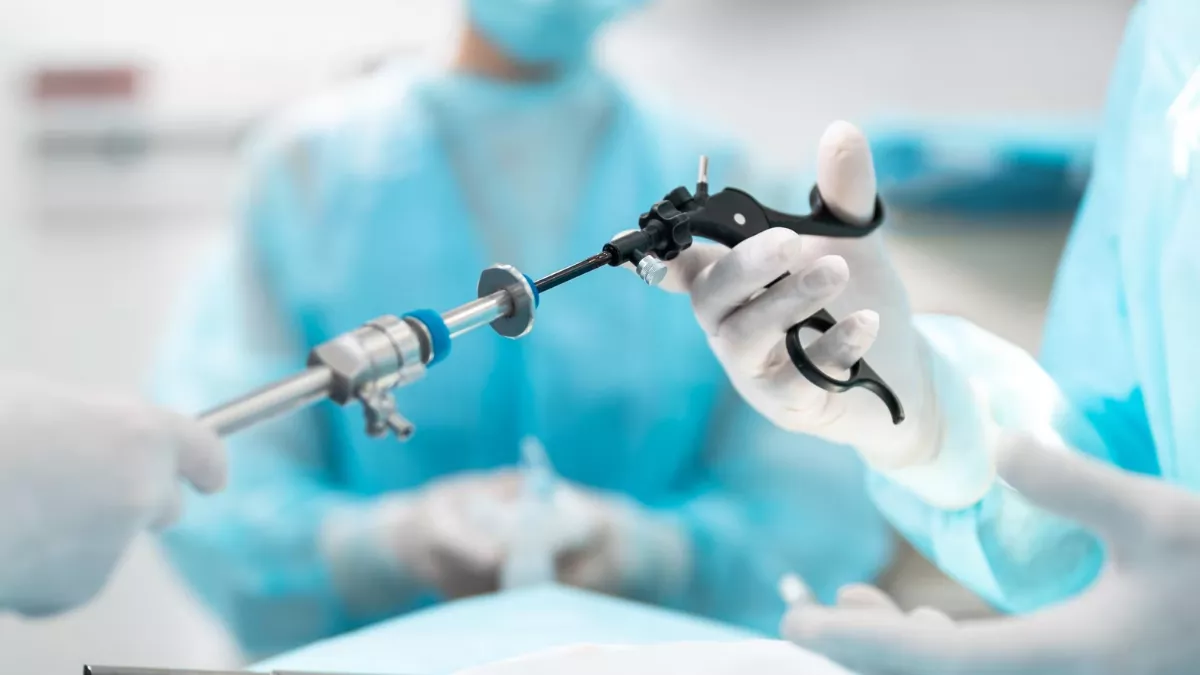
The LUCAS automatic CPR device is placed on the patient's chest for continuous chest compressions. The device maintains quality compressions while the team manages other interventions.
LUCAS CPR Device is one of the most critical instruments in any modern emergency department. As seen in 'The Pitt' Episode 1-01, this equipment was used in multiple life-or-death situations. The ability to use LUCAS CPR Device appropriately can make the difference between a patient's life and death. This article explores in depth how this instrument works, when it should be used, and what are the best practices for its implementation in emergency settings.
What is LUCAS CPR Device?
LUCAS CPR Device is a specialized medical device that plays a fundamental role in emergency protocols. This instrument was developed through decades of clinical research and medical practice to meet the specific needs of healthcare professionals in critical situations. A detailed understanding of its function, technical characteristics, and clinical applications is essential for any professional working in emergencies.
The design of LUCAS CPR Device reflects the fundamental principles of emergency medicine: speed, effectiveness, and safety. Each component has been carefully designed to ensure that the instrument functions reliably under extreme pressure. Healthcare professionals working in emergency departments need to be completely familiar with all the features of this instrument, including its components, mechanisms of operation, and potential limitations.
There are several variations and models of LUCAS CPR Device available on the market, each with its own characteristics and advantages. Some models are more suitable for specific situations, while others offer versatility across a wide range of clinical scenarios. The selection of the appropriate model depends on the specific needs of the emergency department, available resources, and the preferences of the clinical team.
Causes & Clinical Context
The need for LUCAS CPR Device arises in a wide variety of clinical situations that can occur in an emergency department. Understanding the clinical context in which this instrument is used is crucial for its appropriate application. Healthcare professionals need to be able to quickly recognize situations that require the use of LUCAS CPR Device and implement its use efficiently.
The conditions that lead to the need for LUCAS CPR Device can vary significantly depending on the type of patient, the nature of the injury or illness, and the general health status of the individual. In some cases, the need is immediate and obvious, while in others, careful clinical evaluation may be necessary to determine if use is appropriate. Emergency professionals need to develop clinical judgment skills to make these critical decisions quickly.
The epidemiological context also plays an important role. Certain types of traumas, medical conditions, and emergency situations are more common in certain populations or geographic regions. Understanding these epidemiological patterns can help emergency departments prepare adequately and allocate resources efficiently. The accumulated experience of many years of clinical practice demonstrates that adequate preparation and prior knowledge are fundamental to success.
Signs & Symptoms
Recognizing the clinical signs that indicate the need for LUCAS CPR Device is an essential skill for emergency professionals. Patients who need this instrument may present with a variety of symptoms and physical signs that vary depending on the underlying condition. The ability to quickly identify these indicators is critical to patient outcome.
The classic signs that indicate the need for LUCAS CPR Device include changes in the patient's physical state, changes in vital signs, and specific clinical manifestations of the underlying condition. Some signs are obvious and immediately apparent, while others may be more subtle and require careful clinical evaluation. Healthcare professionals need to be alert to all these indicators to not miss critical intervention opportunities.
Clinical presentation can vary significantly among different patients, even when they have the same underlying condition. Factors such as age, comorbidities, nutritional status, and other variables can influence how the condition manifests. This variability makes it even more important that healthcare professionals have a deep understanding of possible signs and symptoms to not miss critical diagnoses.
Diagnosis
Diagnosing the condition that requires LUCAS CPR Device involves a combination of clinical evaluation, laboratory tests, and imaging studies. Emergency professionals need to be able to integrate information from multiple sources to arrive at a quick and accurate diagnosis. In many cases, a presumptive diagnosis is made based on the initial clinical presentation, and treatment is initiated while confirmatory tests are underway.
The specific diagnostic tests used depend on the nature of the suspected condition and the resources available in the emergency department. Some tests are quick and can be performed at the bedside, while others require specialized equipment and may take longer. Appropriate prioritization of these tests is crucial to ensure that the diagnosis is made quickly without compromising quality.
Correct interpretation of diagnostic test results is equally important. An abnormal result does not necessarily confirm the suspected diagnosis, and a normal result does not completely exclude it. Healthcare professionals need to consider the complete clinical context when interpreting test results.
Emergency Treatment
Treatment with LUCAS CPR Device follows established protocols that have been developed through extensive clinical research and clinical practice. These protocols provide a framework for healthcare professionals to make quick and effective decisions in high-pressure situations. However, it is important to remember that protocols should be adapted to the specific circumstances of each patient.
Appropriate implementation of LUCAS CPR Device requires not only technical knowledge, but also clinical judgment and communication skills. Healthcare professionals need to be able to work as a coordinated team, with each member understanding their role in the overall process. Clear communication and coordination are essential to avoid errors and ensure that treatment is implemented efficiently.
Continuous monitoring of the patient during and after the use of LUCAS CPR Device is critical. Healthcare professionals need to be alert to any potential complications and be prepared to adjust treatment as needed. Regular assessment of patient progress helps ensure that treatment is being effective and that there are no unexpected adverse effects.
After the initial implementation of LUCAS CPR Device, continued care is necessary to ensure that the patient continues to benefit from treatment. This may include technical adjustments, monitoring for complications, and preparation for the next phase of patient care.
Prognosis & Complications
The prognosis of patients who receive LUCAS CPR Device depends on several factors, including the severity of the underlying condition, how quickly treatment was initiated, and the overall quality of care received. In general, patients who receive quick and appropriate treatment have better outcomes than those whose intervention is delayed.
Potential complications associated with the use of LUCAS CPR Device vary depending on the specific type of instrument and how it is used. Some complications are rare and minor, while others can be serious and potentially fatal. Healthcare professionals need to be aware of all potential complications and be prepared to recognize and treat them quickly.
The success rate of using LUCAS CPR Device has improved significantly over the years as healthcare professionals gain more experience and protocols are refined. However, there are still cases where the outcome is not ideal, even with the best possible care. In these cases, it is important that healthcare professionals learn from the experience to continuously improve.
Frequently Asked Questions
Q: What is the difference between the different available models?
A: There are several design and functionality variations among the different models. Some are simpler and suitable for basic situations, while others offer advanced features for more complex situations. The choice of model depends on the specific needs of the department and the experience of the team.
Q: How long does it take to learn to use this instrument properly?
A: The time required to develop competency varies from person to person, but generally requires formal training, supervised practice, and clinical experience. Most healthcare professionals can develop basic competency in a few weeks, but true expertise takes months or years of practice.
Q: What are the signs that the instrument is not working properly?
A: There are several signs that can indicate malfunction, including abnormal resistance, lack of expected patient response, or alarms on monitoring equipment. Healthcare professionals need to be alert to these signs and be prepared to take corrective action immediately.
Q: How is this instrument maintained and cleaned?
A: Proper maintenance is crucial to ensure that the instrument functions reliably. This includes regular cleaning, inspection of components, and functionality testing. Many departments have specific maintenance protocols that must be followed rigorously.
Conclusion
LUCAS CPR Device is an essential instrument that plays a critical role in modern emergency medicine. As seen in 'The Pitt' Episode 1-01, its proper use can make the difference between life and death. Healthcare professionals working in emergency departments need to be completely familiar with this instrument, including its indications, techniques of use, potential complications, and best practices.
Continuous education and regular training are essential to keep skills up-to-date and ensure that healthcare professionals are prepared for any situation that may arise. The accumulated experience of many years of clinical practice demonstrates that investment in education and training results in better patient outcomes.
For more information on related procedures, see our articles on Medical Procedures and Emergency Scenarios.
References
- PubMed - National Library of Medicine
- Mayo Clinic
- UpToDate
- American College of Emergency Physicians (ACEP)
Disclaimer: This content is for educational purposes only and does not substitute for professional medical advice. Always consult a qualified healthcare professional for diagnosis and treatment of medical conditions. In case of emergency, call 911 or your local EMS.