The Pitt — Episode 2, ER scene:
"What is happening? Uh, his oxygen levels are dropping... BiPAP, 15 over 5. What's a BiPAP? It is a pressurized air mask that can improve his oxygen. Either his pneumonia is getting worse or his heart couldn't handle the fluids that we gave him to treat the sepsis. His lungs are filling up with fluid." — Dr. Robby
When a patient is struggling to breathe, but full intubation is not immediately necessary (or, as in Mr. Spencer's case, goes against the patient's advanced directives), emergency physicians frequently turn to non-invasive ventilation (NIV). In Episode 2 of The Pitt, the team utilizes a BiPAP machine to try and save an elderly man whose lungs are filling with fluid.
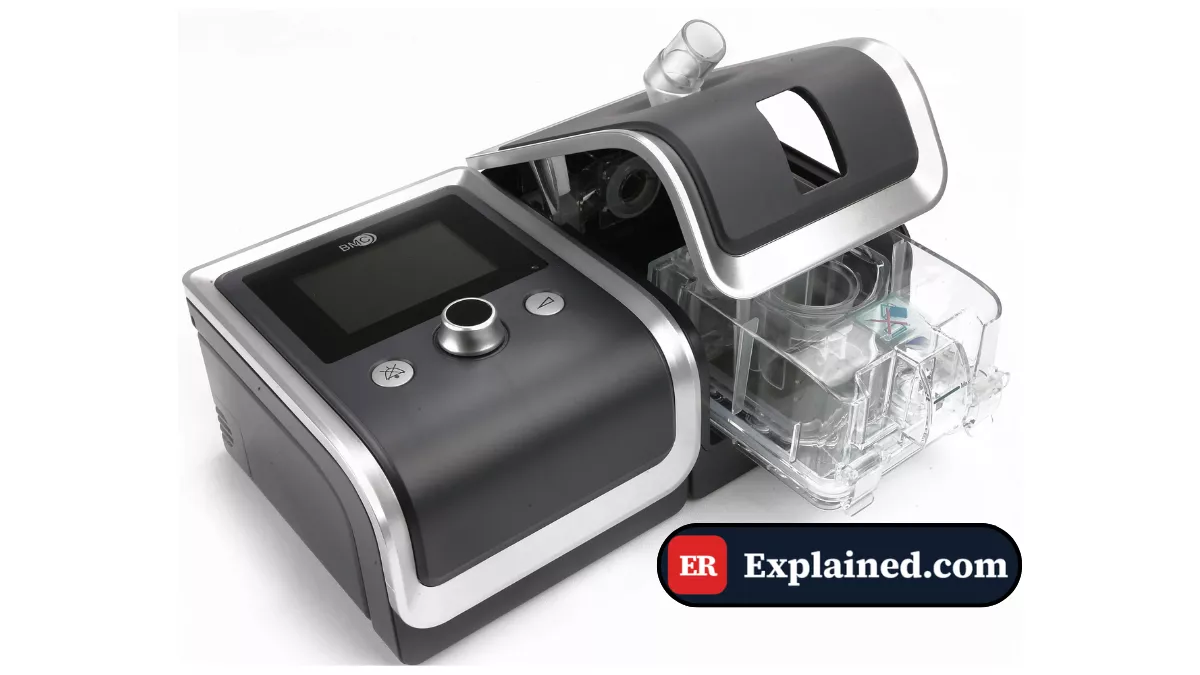
What is a BiPAP Machine?
BiPAP stands for **Bilevel Positive Airway Pressure**. It is a type of non-invasive mechanical ventilator. Unlike a traditional ventilator that requires a tube inserted into the patient's windpipe, BiPAP delivers pressurized air through a tightly fitted mask that covers the patient's nose and mouth (or just the nose). The defining feature of BiPAP, as the name suggests, is that it delivers **two different levels of air pressure**: 1. **IPAP (Inspiratory Positive Airway Pressure):** A higher pressure when the patient breathes in. This helps push air and oxygen deep into the lungs, decreasing the effort the patient's respiratory muscles have to make. 2. **EPAP (Expiratory Positive Airway Pressure):** A lower pressure when the patient breathes out. While lower, it is still a continuous positive pressure that prevents the tiny air sacs in the lungs (alveoli) from collapsing, keeping them open for better oxygen exchange. In the scene, Dr. Robby orders "BiPAP, 15 over 5." This means the machine will be set to deliver 15 cmH2O of pressure during inspiration and 5 cmH2O during expiration.
How Does BiPAP Help in Mr. Spencer's Case?
Mr. Spencer is suffering from a common ER complication. He received intravenous fluids to treat his sepsis, but his aging heart could not pump that extra volume efficiently. The fluid backed up and started leaking into his lungs, a condition known as pulmonary edema. BiPAP is the gold-standard treatment for cardiogenic pulmonary edema. The continuous positive pressure provided by the mask literally "pushes" the fluid out of the air sacs (alveoli) and back into the bloodstream, allowing oxygen to get in again. Additionally, the pressure in the chest reduces the amount of blood returning to the heart, easing the workload on the heart muscle.
BiPAP vs. CPAP: What's the Difference?
It is common to confuse BiPAP with CPAP (Continuous Positive Airway Pressure), often used for sleep apnea. - **CPAP** delivers one constant, continuous level of pressure all the time (both breathing in and out). - **BiPAP** alternates between two pressures (high on inhale, low on exhale). This makes it much more comfortable for patients who are awake and in severe respiratory distress, and it is more effective at helping "blow off" carbon dioxide from the lungs.

Indications and Limitations
BiPAP is frequently used in the ER for: - COPD (Chronic Obstructive Pulmonary Disease) exacerbations - Pulmonary edema (fluid in the lungs from heart failure) - Severe asthma - Pneumonia with respiratory failure However, it has strict limitations. The patient must be conscious and able to protect their own airway (so they don't vomit and aspirate it into their lungs, since the mask pushes air forcefully). If the patient stops breathing or loses consciousness, BiPAP is no longer safe, and the patient must be intubated. To understand the next step if BiPAP fails, see our article on the Mechanical Ventilator.
Frequently Asked Questions
Is BiPAP painful?
It is not painful, but it can be very uncomfortable and claustrophobic. The mask must be strapped tightly to the face to create a seal, and the air is blowing forcefully. Patients often need coaching and sometimes a small dose of anti-anxiety medication to tolerate it.
Why did Dr. Robby use BiPAP instead of intubating the patient?
Mr. Spencer had an advanced directive (DNR/DNI) explicitly stating "do not intubate." He did not want to be placed on artificial life support with a tube down his throat. BiPAP offered a way to provide life-saving respiratory support without violating his medical wishes.
Can BiPAP cure pneumonia?
No, BiPAP does not cure infections. It only provides mechanical support (keeping the lungs open and oxygenated) to keep the patient alive while antibiotics have time to kill the bacteria causing the pneumonia.
Conclusion
The use of BiPAP in Episode 2 of The Pitt highlights the delicate balance of geriatric emergency medicine. It is an invaluable tool that can rapidly reverse pulmonary edema and save lives without the risks and trauma of full intubation, all while respecting a patient's end-of-life wishes. To learn more about how doctors monitor breathing, read about the Pulse Oximeter.
This content is for educational and informational purposes only. It does not replace professional medical advice, diagnosis, or treatment. In case of a medical emergency, call 911/EMS immediately or go to the nearest emergency room.
References: [1] American Lung Association: BiPAP [2] UpToDate: Noninvasive ventilation in adults