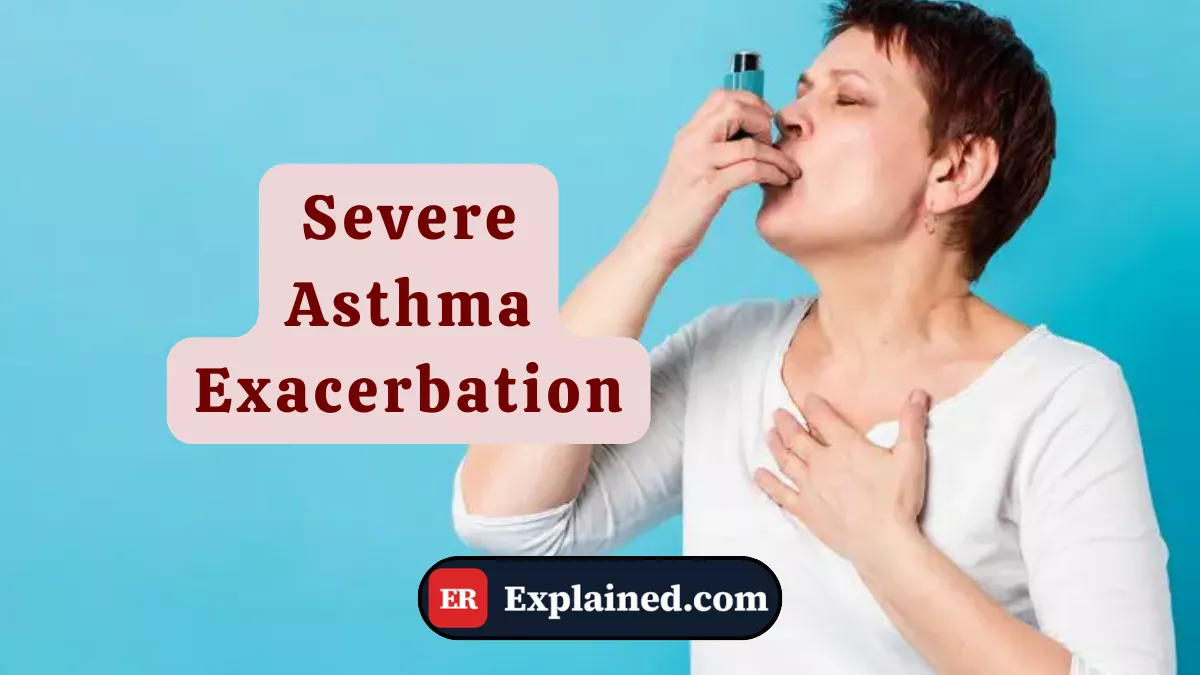
The Silent Suffocation
"We gave her albuterol and prednisone, but she's still wheezing heavily. The chest is getting quiet. We need to be more aggressive before she stops breathing." — Emergency Room
For most people, asthma is a chronic, annoying condition, but manageable with an occasional inhaler. However, in emergency medicine, a Severe Asthma Exacerbation (or Status Asthmaticus) is one of the most terrifying and rapid causes of respiratory arrest in otherwise young, healthy patients.
During a severe attack, the problem is frequently not getting air in; the deadly problem is that the patient cannot get the air out.
The Deadly Triad of Asthma
The lungs are like an upside-down tree, with tubes (bronchi) getting smaller and smaller until they end in tiny air sacs (alveoli). During an asthma attack, three things happen simultaneously in these tubes:

- Bronchospasm: The muscles wrapping around the tubes spasm and squeeze violently, crushing the airway.
- Inflammation: The inner lining of the tubes swells massively, making the inside space even smaller.
- Mucus Production: The body produces thick, sticky mucus that plugs up the narrowed tubes like cement.
The result is "air trapping." The patient can force air into the lungs (because breathing in is an active, strong process), but they cannot exhale it through the clogged tubes. With every breath, the lungs get more inflated, until the patient simply cannot take another breath.
The "Silent Chest"
The classic sound of asthma is wheezing—a high-pitched whistling sound as air is forced through a narrow tube. However, emergency doctors are much more afraid of a patient who is not wheezing.
If a patient is struggling to breathe but the doctor hears a "silent chest" with their stethoscope, it means the airways are so clamped down that absolutely no air is moving. Respiratory arrest is minutes away.
Emergency Rescue Treatment
Treatment for severe asthma is aggressive and multi-pronged:
- Continuous Bronchodilators: The patient receives back-to-back breathing treatments with Albuterol and Ipratropium (Atrovent). Instead of one puff, they breathe a continuous medicated mist to force the muscles to relax.
- Systemic Corticosteroids: Drugs like oral Prednisone or IV Solu-Medrol are given immediately to turn off the massive inflammatory response.
- IV Magnesium Sulfate: If inhalers don't work, intravenous magnesium acts as a powerful smooth muscle relaxant for the lungs.
- Intramuscular Epinephrine: In cases of a "silent chest" where inhaled medicine cannot reach the lungs, Epinephrine (Adrenaline) is injected into the thigh. It travels through the blood and forces the airways open from the inside out.
- Non-Invasive Support: A BiPAP mask may be used to force air past the mucus and keep the airways stented open.
The Danger of Intubation
Unlike other respiratory emergencies, doctors are highly hesitant to intubate a severe asthmatic. Putting a tube down the throat frequently makes the bronchospasm worse (the body reacts to the tube by clamping the lungs down even harder).
Furthermore, the mechanical ventilator struggles to push air through the thick mucus, frequently requiring dangerously high pressures that can pop the lung (pneumothorax). Intubation is the absolute last, most desperate resort.

Frequently Asked Questions (FAQ)
Why does asthma attack at night?
The body's natural cortisol levels (the internal anti-inflammatory) drop overnight, allowing inflammation to spike. Also, lying flat can worsen acid reflux or post-nasal drip, which irritate the airways and trigger spasms.
What is the difference between Albuterol and Prednisone?
Albuterol is the "rescue drug"—it acts in minutes to relax the muscles, but wears off fast. Prednisone is the "controller drug"—it takes 4 to 6 hours to start working, but it turns off the underlying inflammation that caused the attack in the first place.
Can emotional factors trigger severe asthma?
Yes. Extreme stress or panic attacks frequently trigger or worsen asthma attacks. However, emergency doctors never assume an asthmatic's shortness of breath is "just anxiety" without first proving the lungs are clear, as this is a common and fatal medical error.
Conclusion
A severe asthma exacerbation is one of the most dynamic, fast-moving emergencies in medicine. The patient is literally drowning on dry land. Success relies on instantly recognizing air trapping and aggressively pushing steroids, bronchodilators, and magnesium to break the lungs open before the patient's breathing muscles tire out completely.
This content is for educational and informational purposes only. It does not replace professional medical advice, diagnosis, or treatment. In case of a medical emergency, call 911/EMS immediately or go to the nearest emergency room.
References: [1] National Heart, Lung, and Blood Institute: Asthma [2] StatPearls: Status Asthmaticus [3] EMCrit: Severe Asthma [4] UpToDate: Acute exacerbations of asthma in adults