
The Invisible Destruction
"He was electrocuted fixing a power box. Heart stopped, we brought him back, but the electricity cooked his muscles. His urine looks like Coca-Cola." — Emergency Room
When a person suffers a high-voltage electrical shock, the skin damage frequently looks deceptively small—just a minor burn mark where the current entered (entry point) and where it left (exit point).
But electricity does not travel across the skin; it travels through the tissues that offer the least resistance, primarily blood vessels, nerves, and muscles. As it does, it generates massive heat, literally cooking the muscles from the inside out.
This deep muscular destruction triggers a lethal secondary condition known as Rhabdomyolysis.

The Physiology of Muscle Melting
Rhabdomyolysis (frequently called "Rhabdo") is the rapid, massive breakdown of skeletal muscle tissue. In the case of electrocution, the current boils the muscle cells until they burst.
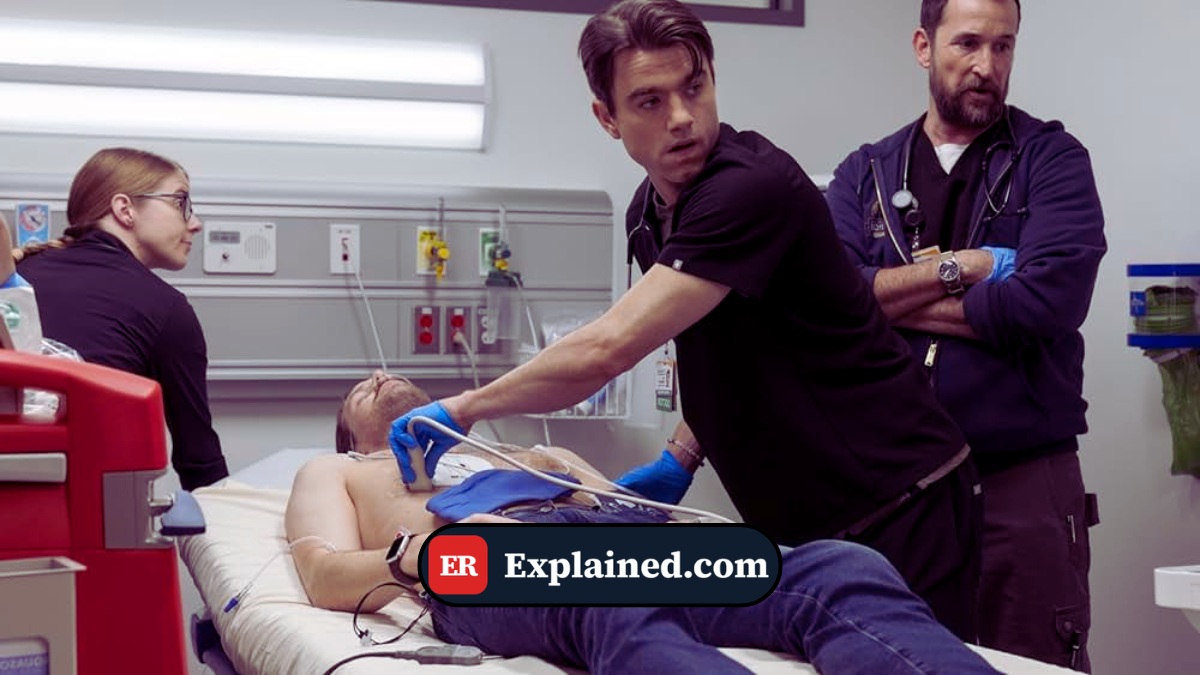
When millions of muscle cells die simultaneously, they spill their toxic contents directly into the bloodstream:
- Myoglobin: A protein that gives muscles their red color and stores oxygen. When massive amounts of myoglobin hit the kidneys, they crystallize and clog the delicate filtering tubes. The patient's urine turns dark brown or black (frequently described as the color of Coca-Cola or iced tea).
- Potassium: Muscle cells are packed with potassium. When they burst, the potassium level in the blood skyrockets (hyperkalemia). Excess potassium alters the heart's electricity, causing lethal arrhythmias and cardiac arrest.
- Lactic Acid: Causes severe metabolic acidosis, poisoning the blood.
Treatment in the Emergency Room
Treating electrocution with rhabdomyolysis is a race to save the kidneys and protect the heart. Doctors cannot un-cook the dead muscle, but they can flush the toxins out of the body.
- Aggressive Fluid Resuscitation: This is the primary treatment. The patient receives liters of IV Normal Saline as fast as possible. The goal is to force the kidneys to produce urine constantly, "flushing" the myoglobin out before it can crystallize and destroy the kidney.
- Potassium Management: If potassium is dangerously high, doctors will push IV insulin and glucose (to force potassium back into surviving cells) and inhaled Albuterol.
- Cardiac Monitoring: Due to both the initial electrical shock and the potassium spike, the patient is kept on strict cardiac monitoring to watch for arrhythmias.
- Fasciotomy: The cooked muscle swells massively. If the swelling cuts off the limb's blood supply (Compartment Syndrome), the surgeon must slice the leg or arm open to relieve the pressure.
Frequently Asked Questions (FAQ)
What is the difference between high and low voltage?
Low voltage (like a 110V/220V household outlet) usually causes cardiac arrhythmias if the current crosses the chest, but rarely causes deep burns or severe rhabdomyolysis. High voltage (over 1,000V, like outside power lines) is what causes massive muscle destruction and frequently requires amputation of the affected limbs.
Does rhabdomyolysis only happen from electrical shock?
No. Rhabdo can be caused by anything that massively destroys muscle. Common causes include crush injuries (being trapped under rubble), extreme physical exercise without hydration (like beginner CrossFitters or marathon runners), certain drug use (cocaine, meth), or lying immobile on the floor for hours after an overdose.
Do the kidneys recover from rhabdomyolysis?
Frequently, yes. If the patient is treated rapidly with IV fluids, the kidneys survive. If treatment is delayed and the kidneys fail (Acute Kidney Injury), the patient may need temporary dialysis for weeks or months until the kidneys heal and start working again.
Conclusion
Electrocution is a two-phase injury: the immediate electrical shock that tries to stop the heart, and the delayed toxic shock from melted muscles that tries to destroy the kidneys. In emergency medicine, seeing Coca-Cola colored urine is a red alarm to start massive fluids and save the internal organs before the damage becomes permanent.
This content is for educational and informational purposes only. It does not replace professional medical advice, diagnosis, or treatment. In case of a medical emergency, call 911/EMS immediately or go to the nearest emergency room.
References: [1] CDC/NIOSH: Electrical Safety [2] StatPearls: Rhabdomyolysis [3] UpToDate: Clinical manifestations and diagnosis of rhabdomyolysis [4] EMCrit: Rhabdomyolysis