The Electrical Chaos in the Chest
"I feel my heart jumping out of my chest. It's like there's a bird trapped in there." — Emergency Room
The human heart is a marvel of electrical engineering. In a healthy person, a natural pacemaker sends a steady, rhythmic electrical signal, causing the upper chambers (atria) and lower chambers (ventricles) to beat in perfect synchrony.
But what if that electrical signal goes haywire? What if, instead of a strong, coordinated beat, the upper chambers start to quiver chaotically 300 to 400 times a minute?
This is Atrial Fibrillation (AFib or AF), the most common cardiac arrhythmia in the world and one of the most frequent causes of emergency room visits for palpitations.
The Physiology of the Arrhythmia
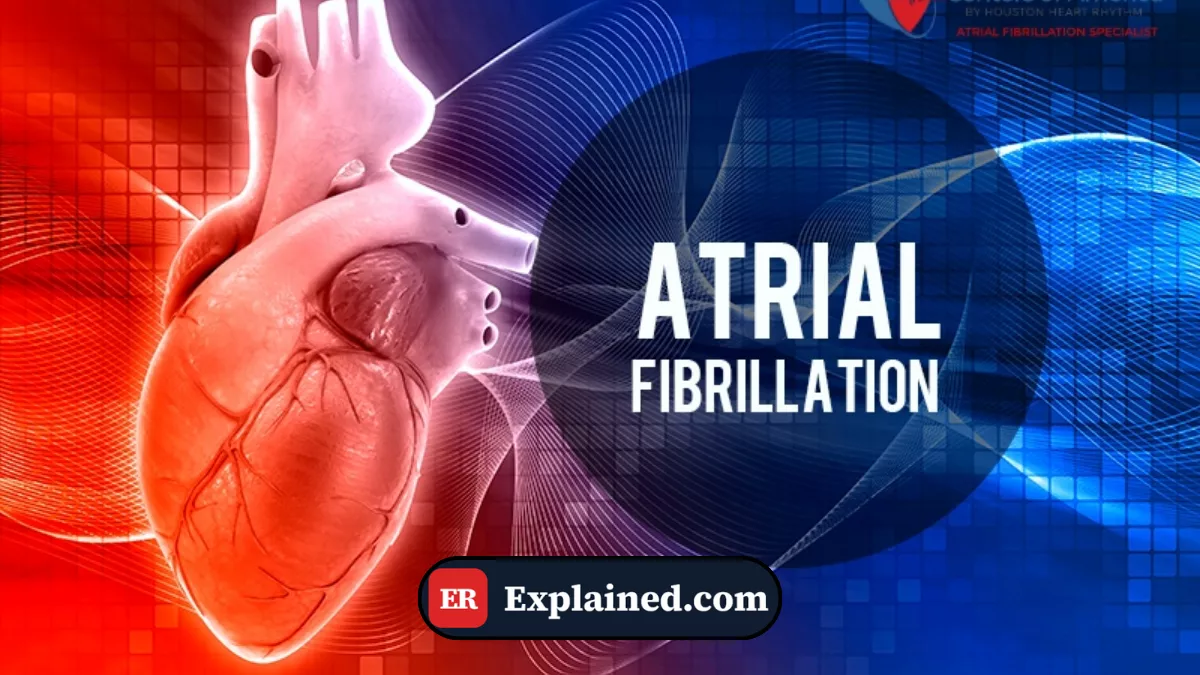
In atrial fibrillation, the electrical system of the atria (the top two chambers of the heart) short-circuits. Instead of squeezing to push blood downward, the atrial muscle merely "quivers" (fibrillates).

This creates two massive, immediate problems:
- Loss of Efficiency: The heart loses its "atrial kick," the final squeeze that fills the ventricles with blood. Cardiac output drops by about 20 to 30%, leaving the patient tired, short of breath, and weak.
- Clot Risk: Because the blood is not being pushed forcefully, it begins to pool and stagnate in the corners of the atria (especially in an area called the left atrial appendage). Stagnant blood forms clots. If one of these clots gets pumped out of the heart and travels to the brain, it will cause a massive stroke.
Furthermore, the quivering atria send hundreds of electrical signals down to the ventricles. If the ventricles try to keep up and beat at 150 or 180 times a minute, the patient goes into "AFib with Rapid Ventricular Response" (RVR), an acute medical emergency.
Treatment in the Emergency Room
When a patient arrives with rapid AFib, the doctor has two priorities: slow the heart rate down and prevent a stroke.
- Rate Control: The initial goal is rarely to cure the arrhythmia immediately. The first step is to use intravenous medications like Diltiazem (a calcium channel blocker) or Metoprolol (a beta-blocker) to force the ventricles to ignore the chaotic signals and beat at a normal speed (under 100 bpm).
- Anticoagulation: The patient frequently receives heparin or oral blood thinners (like Eliquis or Xarelto) to ensure no clots form in the stagnant blood.
- Rhythm Control: If the patient is unstable (blood pressure dropping dangerously, chest pain, passing out), the doctor does not have time for medications. They will use Propofol to sedate the patient and deliver a synchronized electrical shock (cardioversion) to the chest to "reboot" the heart's electrical system back into a normal rhythm.

Frequently Asked Questions (FAQ)
What causes Atrial Fibrillation?
AFib frequently develops due to wear and tear on the heart over time. Chronic high blood pressure, coronary artery disease, heart valve problems, and advanced age are the main culprits. However, in younger patients, AFib is frequently triggered by acute "insults": binge drinking (the famous "Holiday Heart Syndrome"), stimulant use (cocaine, amphetamines, excessive caffeine), hyperthyroidism, or extreme physical stress like a severe infection (sepsis).
Why is AFib so dangerous if it's not a heart attack?
AFib itself is rarely fatal immediately (unless the heart rate gets so fast it causes shock). The true danger of AFib is silent and long-term: strokes. Patients with untreated AFib have a 5 times higher risk of suffering an ischemic stroke, and strokes caused by AFib tend to be larger and more disabling than other types of strokes.
Can Atrial Fibrillation be cured?
There is no simple one-pill "cure," but it is highly treatable. Many patients live for decades with chronic AFib taking only a heart-rate-controlling medication and a blood thinner. For patients where AFib causes severe symptoms, electrophysiologist cardiologists can perform a procedure called "Catheter Ablation," where they go into the heart with wires and burn or freeze the exact tissue causing the short circuit, frequently restoring normal rhythm permanently.
Conclusion
Atrial Fibrillation is a reminder that the heart is just as much an electrical machine as it is a mechanical pump. In the emergency room, the focus is on calming the electrical storm and protecting the brain. For patients, an AFib diagnosis means the start of a lifelong relationship with cardiology, focused on keeping the rhythm in check and the blood flowing smoothly.
This content is for educational and informational purposes only. It does not replace professional medical advice, diagnosis, or treatment. In case of a medical emergency, call 911/EMS immediately or go to the nearest emergency room.
References: [1] American Heart Association (AHA): Atrial Fibrillation [2] StatPearls: Atrial Fibrillation [3] American College of Cardiology (ACC): AFib Guidelines [4] UpToDate: Atrial fibrillation in adults