The Silent Countdown
"How long before we might expect to see some improvement? It could be hours. It could be days. It could be never." — Emergency Room
The human brain is an incredibly demanding machine. Although it accounts for only 2% of body weight, it consumes a staggering 20% of the body's oxygen supply.
Unlike muscles or the liver, brain cells cannot store energy or oxygen. They rely on a constant, uninterrupted flow of freshly oxygenated blood.
When that flow stops—whether from cardiac arrest, drowning, choking, or a drug overdose that stops breathing—the clock starts ticking toward a devastating condition known as Anoxic Brain Injury.
The Physiology of Cellular Starvation
Cerebral anoxia is not a single event; it is a cascade of destruction at the cellular level. The process unfolds on a brutal and predictable timeline:
- Minute 0 to 1: The oxygen supply is cut off. The patient loses consciousness almost immediately.
- Minute 1 to 3: Brain cells exhaust their tiny reserve of energy (ATP). They stop sending electrical signals.
- Minute 3 to 5: Without energy, the "pumps" that maintain fluid balance in the cells fail. Sodium and calcium flood into the cells, dragging water with them. The cells begin to swell (cytotoxic edema).
- Minute 5 to 10: Irreversible damage begins. The swollen cells burst open, releasing toxins that kill neighboring cells. Mass cellular death (necrosis) sets in.
If the patient is resuscitated after the 10-minute mark, the heart may restart, but frequently the brain has already suffered catastrophic and permanent damage.
The Spectrum of Damage
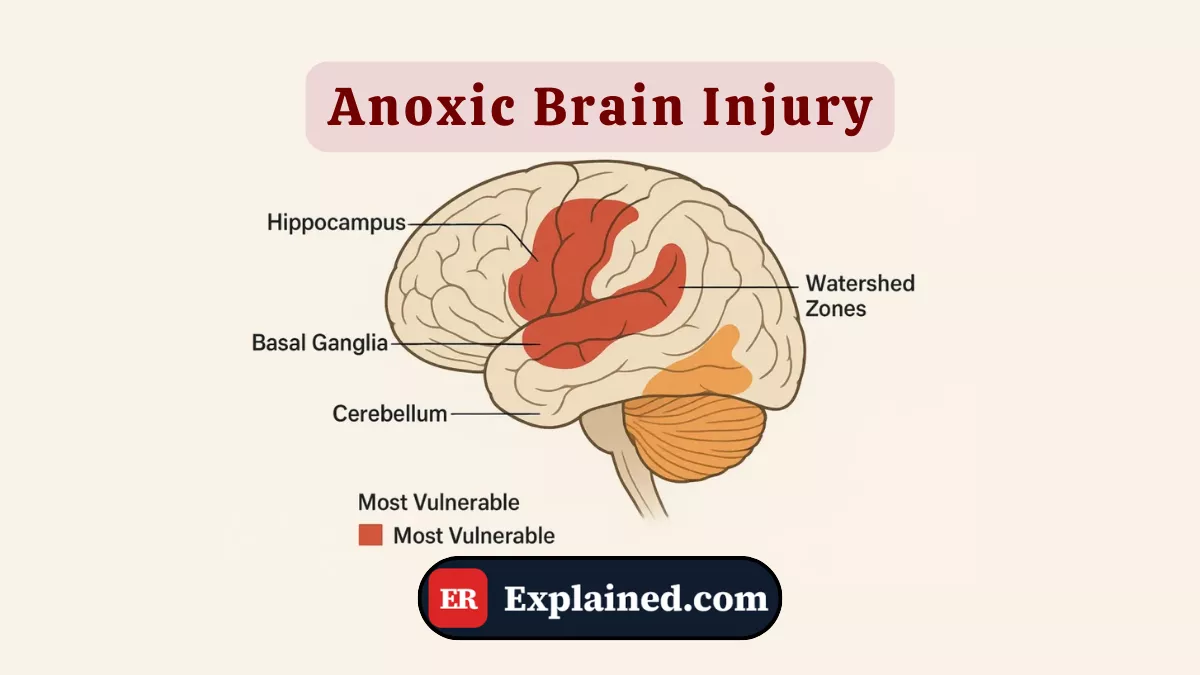
The outcome of an anoxic injury depends entirely on how long the brain went without oxygen and which part was most affected. The brain does not die all at once; it dies from the top down.
- Cerebral Cortex: The wrinkled outer layer responsible for thought, memory, and personality is the most sensitive to oxygen deprivation. It is the first to die.
- Basal Ganglia: The deep structures that control movement are also highly vulnerable.
- Brainstem: The most primitive part of the brain, at the base of the skull, controls automatic vital functions like breathing and heartbeat. It is the most resistant to anoxia.
This is why many patients who survive a prolonged cardiac arrest end up in a persistent vegetative state. The brainstem survived (so the heart beats and lungs breathe), but the cortex died (so the person they were is gone).
Treatment in the ER and ICU
Once oxygen is restored, the medical battle shifts to saving the brain cells that are injured but not dead (the penumbra).
Interventions include:
- Targeted Temperature Management (Therapeutic Hypothermia): The most effective treatment. Doctors cool the patient's body to 32-36°C for 24 hours. This slows the brain's metabolism, reducing its need for oxygen and halting the swelling.
- Perfect Oxygenation: The patient is placed on a mechanical ventilator to keep oxygen levels exact—not too low (hypoxia) and not too high (hyperoxia, which can cause more damage from free radicals).
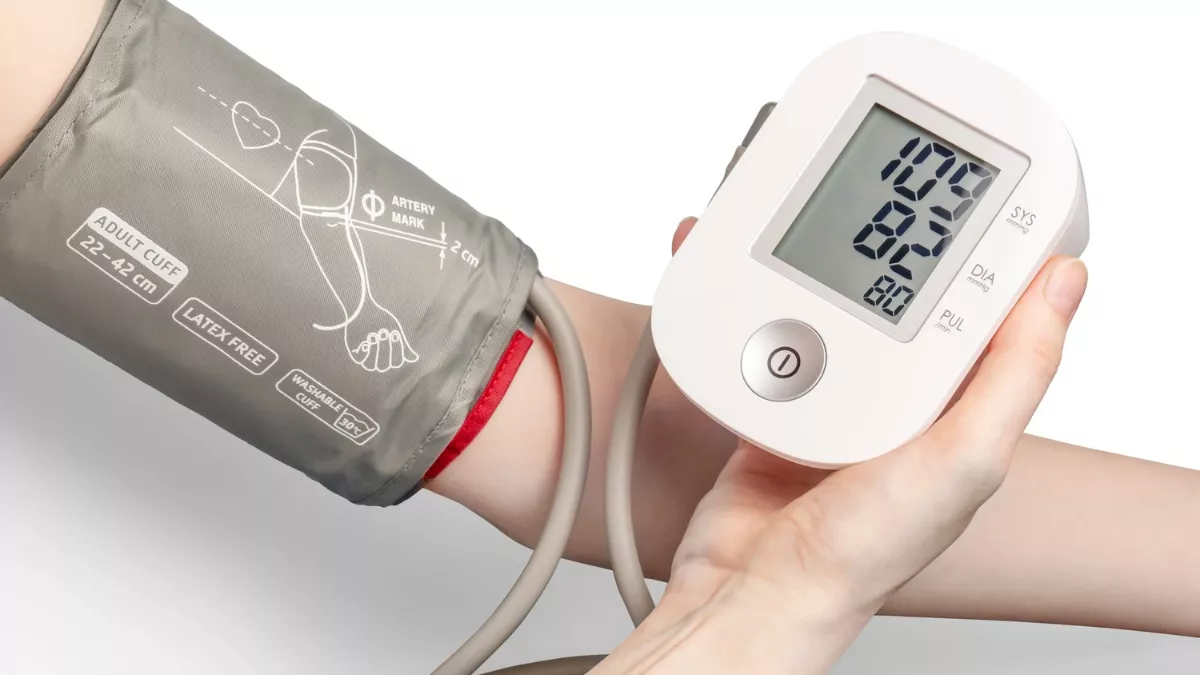
- Blood Pressure Control: Vasopressor medications like Norepinephrine are used to force blood upward against gravity, ensuring it reaches the swollen brain.
- Seizure Control: The damaged brain frequently "short-circuits," causing seizures that consume even more oxygen. Anti-epileptic drugs are crucial.

Frequently Asked Questions (FAQ)
What is the difference between hypoxia and anoxia?
Hypoxia means a decrease in oxygen (the brain is getting some, but not enough, like at high altitudes or severe asthma). Anoxia means a total lack of oxygen (the supply has been completely cut off, like in drowning or cardiac arrest). Anoxia is much more deadly.
Why do opioid overdoses cause anoxic injury?
Drugs like Fentanyl or heroin do not damage the brain directly. Instead, they depress the central nervous system until the patient simply stops breathing. The heart keeps beating for a few minutes, circulating oxygen-depleted blood, until the lack of oxygen causes the heart itself to stop. The brain injury is strictly due to the lack of breathing.
Can a patient fully recover?
It depends on the downtime. If CPR is started immediately and blood flow is restored within a few minutes, full recovery is possible. However, after severe damage, rehabilitation can take years, and many patients are left with permanent cognitive deficits, memory issues, or motor disabilities.
Conclusion
Anoxic brain injury is the reason emergency medicine is so obsessed with time. Every second a patient goes without CPR or an open airway is not just a delay; it is the measurable loss of brain tissue. It is the ultimate reminder that restarting a heart is only half the battle; the true goal is saving the mind.
This content is for educational and informational purposes only. It does not replace professional medical advice, diagnosis, or treatment. In case of a medical emergency, call 911/EMS immediately or go to the nearest emergency room.
References: [1] National Institute of Neurological Disorders and Stroke (NINDS): Hypoxia and Anoxia [2] StatPearls: Hypoxic-Ischemic Brain Injury [3] American Heart Association (AHA): Post-Cardiac Arrest Care [4] UpToDate: Hypoxic-ischemic brain injury in adults