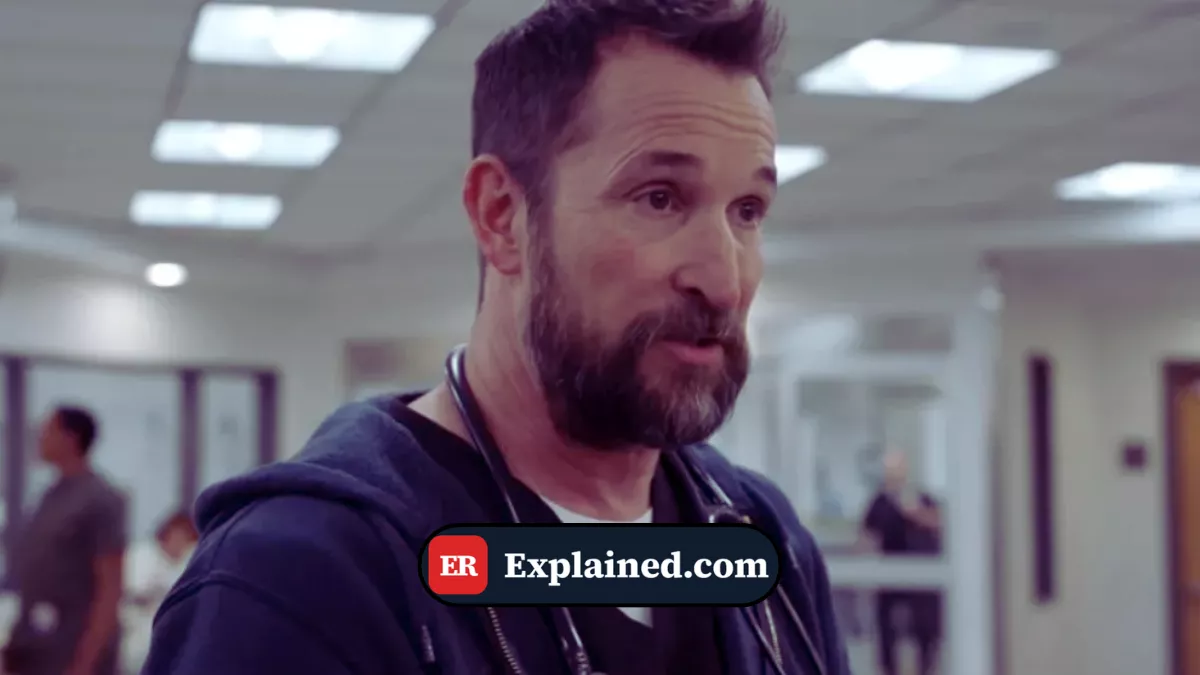
The Pitt — Episode 1-01, ER scene:
The emergency department is chaotic. Fifty-two patients in the waiting room, only twenty-four triaged. Nurse Donnie updates the board: 'We're fucked. Night shift was down three nurses and a tech. We have fifty-two in the waiting room but only twenty-four triaged and it's not even seven.'
Introduction
Mass casualty triage is critical process in emergency departments when multiple patients arrive simultaneously. As seen in 'The Pitt' Episode 1-01, the department faced chaotic situation with 52 patients in waiting room and only 24 triaged. Efficient triage is essential to ensure that patients with more severe conditions receive priority care. This article explores concept, importance and implementation of mass casualty triage in emergencies.
What is Mass Casualty Triage?
Mass casualty triage is system of rapid classification of multiple patients to determine priority of care. Goal is to identify patients at risk of life and ensure they receive immediate treatment. Most common triage system is ESI (Emergency Severity Index), which classifies patients into 5 levels: Level 1 (immediate life threat), Level 2 (high risk), Level 3 (moderate risk), Level 4 (low risk), Level 5 (minimal risk). In 'The Pitt' Episode 1-01, only 24 of 52 patients had been triaged, indicating significant bottleneck in process.
Causes of Emergency Overcrowding
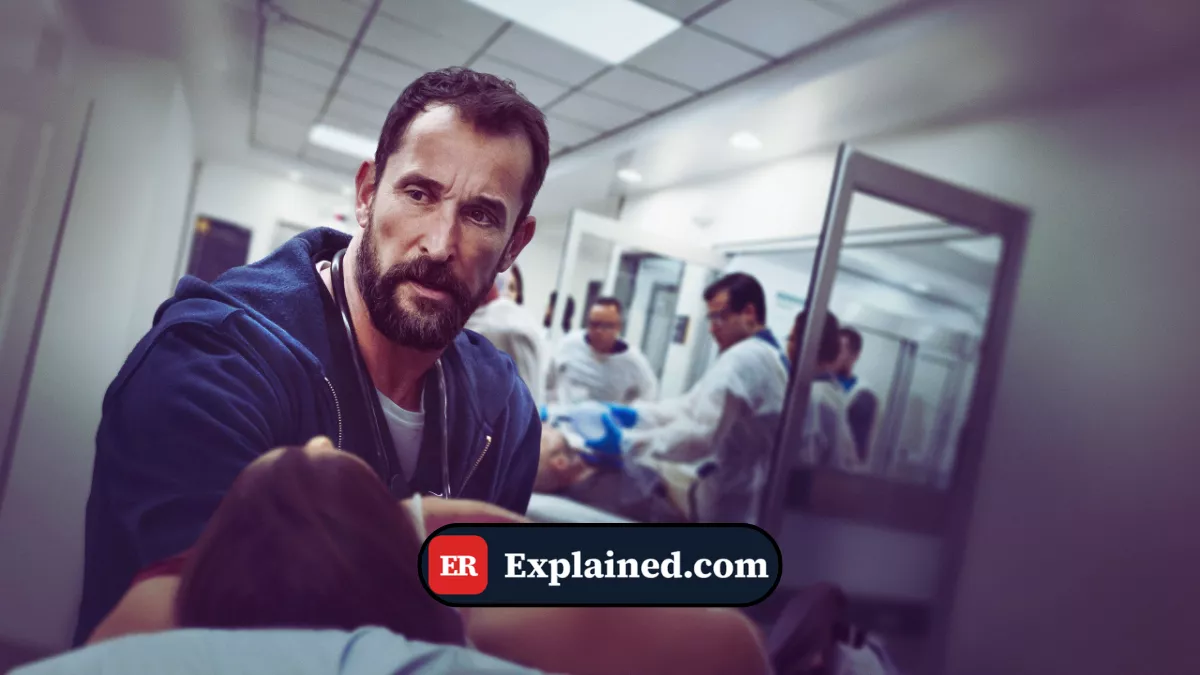
Overcrowding occurs when number of patients exceeds department capacity. Causes include: lack of staff (as seen in episode with 3 fewer nurses), lack of ward beds (boarding patients), increased demand, admitted patients awaiting transfer. In 'The Pitt' Episode 1-01, lack of staff was main contributing factor to observed chaos.
Signs of Inefficient Triage
Signs include: patients in waiting room for hours, long queue, stressed staff, patients leaving without being seen, increased complaints. In emergencies with inefficient triage, critical patients may be neglected while patients with minor problems receive attention.
Diagnosis of Triage Problems
Data analysis is essential: average triage time, number of untriaged patients, wait time, rate of patients leaving without being seen. In 'The Pitt' Episode 1-01, fact that only 24 of 52 patients had been triaged demonstrates clear problem in process.
Treatment and Triage Improvement
Strategies to improve triage include: increase triage staff, implement standardized ESI protocol, use technology (triage apps), improve communication, train staff regularly. Rapid and accurate triage is essential for efficient flow.
Prognosis of Improvement
Triage improvement reduces wait times, diagnostic errors, patient dissatisfaction. Studies show that implementation of ESI protocol can reduce wait times by 20-30% and improve patient outcomes.

Frequently Asked Questions about Mass Casualty Triage
Q: How long does triage take? A: Rapid triage takes 2-5 minutes per patient. In mass situations, can be even faster.
Q: What is the most common triage system? A: ESI (Emergency Severity Index) is standard in many US hospitals.
Q: What to do if there are many patients? A: Activate overcrowding protocol, call additional staff, consider patient transfer.
Q: How to train staff for triage? A: Formal training in ESI protocol, practice with simulated cases, regular evaluation.
Conclusion
Mass casualty triage is critical skill in emergencies. As seen in 'The Pitt' Episode 1-01, lack of efficient triage leads to chaos and possible neglect of critical patients. Implementation of standardized protocol and adequate staff are essential to improve flow and outcomes.