The Race Against the Clock
"Pupils pinpoint. I need Narcan. Not responding to Narcan. We might need to intubate. I can't find a carotid pulse. Start compressions!" — Emergency Room
A young woman brought in by friends in a state of profound unconsciousness. Pupils the size of pinheads. Absent breathing.
This is one of the most terrifying and common scenarios in modern emergency rooms: the opioid overdose that rapidly evolves into full cardiac arrest.
What was once merely a treatable respiratory depression has now become a total cardiovascular collapse due to the extreme potency of synthetic drugs like fentanyl.
What Causes Cardiac Arrest in an Overdose?
Unlike a classic heart attack, where the problem is a clot blocking blood in the heart, opioid cardiac arrest is secondary to a respiratory problem.
The physiological process occurs in predictable, deadly stages:
- Nervous System Depression: The opioid binds to receptors in the brainstem, shutting off the natural drive to breathe.
- Severe Hypoxia: Without breathing, oxygen levels in the blood plummet rapidly.
- Acidosis: Carbon dioxide builds up in the body, making the blood dangerously acidic.
- Myocardial Collapse: The heart muscle, starved of oxygen and bathed in acid, simply stops beating.
When the heart stops, the patient no longer just needs the antidote; they need immediate advanced life support.
The Critical Role of Narcan (Naloxone)
Narcan (Naloxone) is the definitive antidote for opioids. It works by physically kicking the drug off the receptors in the brain.
However, in a cardiac arrest scenario, Narcan presents unique challenges:
- Circulation Problem: If the heart is not beating, the injected Narcan does not circulate to the brain.
- Resuscitation Priority: Chest compressions and ventilation are more important in the first few minutes than the antidote itself.
- Massive Doses: Fentanyl is so potent that it may require multiple doses of Narcan to be reversed.
The medical team must focus on restoring blood flow first so the medication can work.
The Resuscitation Protocol
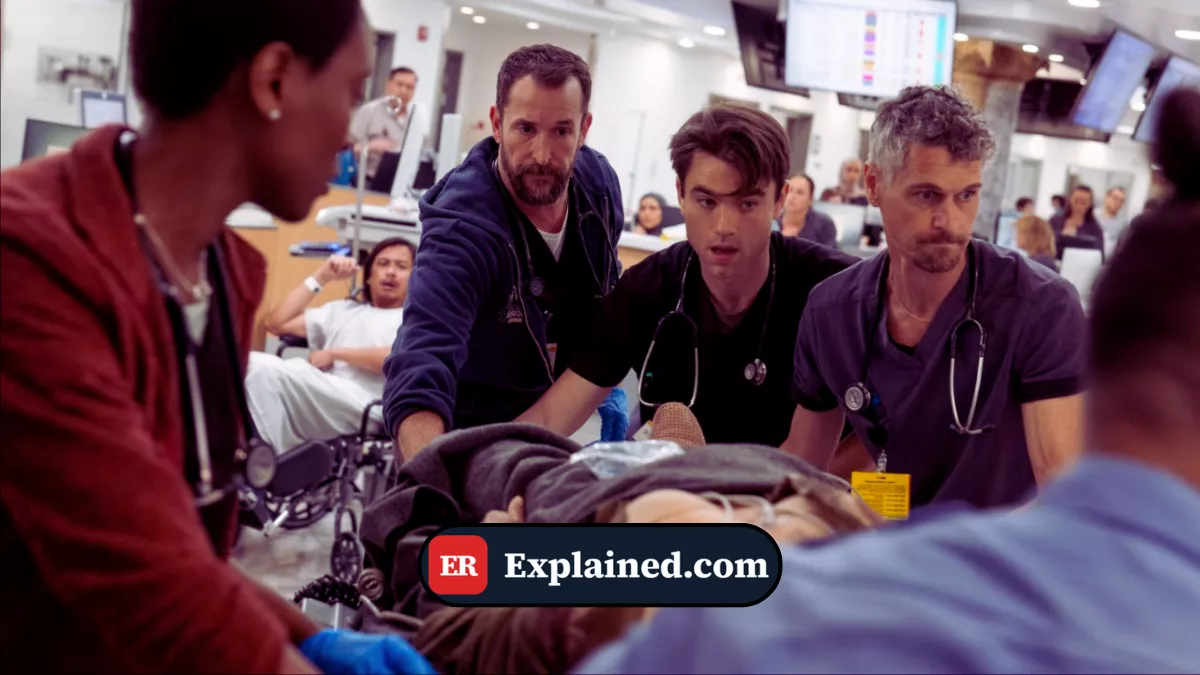
Managing this scenario requires perfect choreography among the trauma team members.
Simultaneous actions include:
- Chest Compressions: Started immediately to keep blood flowing to the brain.
- Airway Management: Insertion of an endotracheal tube to force oxygen into collapsed lungs.
- Intravenous Access: Establishing IV lines for fluid and medication administration.
- Epinephrine: Administering adrenaline every 3-5 minutes to restart the heart.
The absolute focus is reversing hypoxia (lack of oxygen) as quickly as possible.
The Challenge of Mixed Drugs
The modern overdose crisis rarely involves a single substance. The scenario becomes exponentially more complex when mixtures are involved.
Patients frequently ingest:
- Opioids with Benzodiazepines: Such as mixing fentanyl with Xanax (Alprazolam), which further depresses breathing.
- Xylazine (Tranq): A veterinary sedative often mixed with fentanyl that does not respond to Narcan.
- Stimulants: Mixtures with cocaine or methamphetamine that mask initial symptoms.
In these mixed cases, even after Narcan reverses the opioid effect, the patient may remain in a deep coma due to the other substances, requiring continuous support on the mechanical ventilator.
Frequently Asked Questions (FAQ)
Why does the patient wake up aggressive after Narcan?
When a high dose of Narcan is given, the patient goes from a profound overdose to acute withdrawal syndrome in seconds. The brain, suddenly deprived of the opioid, panics. This causes severe agitation, confusion, vomiting, and extreme pain. It is a violent, unintentional physiological reaction.
What happens if Narcan is given to someone who hasn't used drugs?
Absolutely nothing. Naloxone is a pure antagonist. If there are no opioids in the person's system, the medication will have no effect on the body. This is why it is safe to administer in cases of suspected overdose, even without confirmation.
Why does the patient need to stay in the hospital after waking up?
The half-life of fentanyl is much longer than that of Narcan. The antidote wears off in about 30 to 90 minutes. When that happens, if there is still fentanyl in the system, the patient can suffer "re-narcotization" and stop breathing again. Continuous medical observation is vital.
Conclusion
Overdose-induced cardiac arrest is the final and most lethal stage of opioid toxicity. The success of resuscitation depends entirely on the speed of recognition and the immediate application of basic life support.
While Narcan remains the miracle antidote, it is useless without effective chest compressions and oxygenation. In an era dominated by synthetic fentanyl, the ability to manage these collapsed airways has become the most critical skill in emergency medicine.
This content is for educational and informational purposes only. It does not replace professional medical advice, diagnosis, or treatment. In case of a medical emergency, call 911/EMS immediately or go to the nearest emergency room.
References: [1] StatPearls: Opioid Toxicity [2] American Heart Association (AHA): CPR and First Aid for Opioid Overdose [3] CDC: Lifesaving Naloxone [4] UpToDate: Acute opioid intoxication in adults