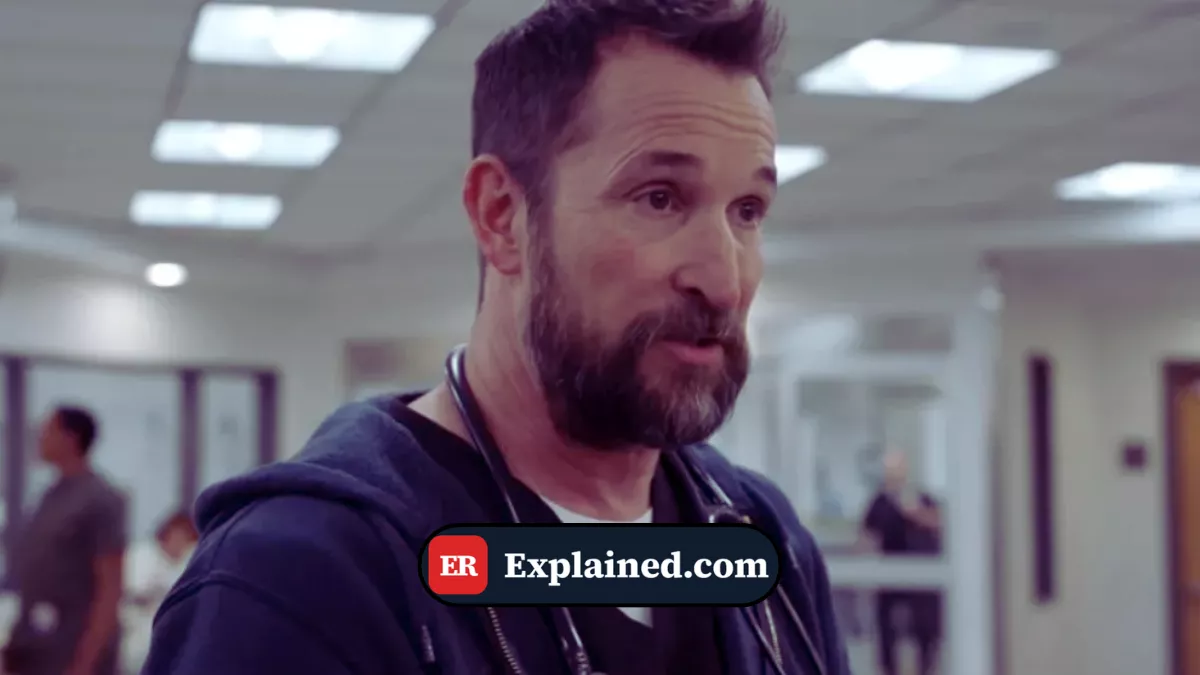
The Pitt — Episode 1-01, ER scene:
Dr. Shah coordinates the flow of patients through the department. She communicates with different areas to optimize resource use. 'We need to move these patients faster,' she says.
Emergency Department Workflow is a critical scenario that occurs regularly in modern emergency departments. As seen in 'The Pitt' Episode 1-01, this type of situation requires preparation, coordination, and deep knowledge of emergency protocols. The ability to manage Emergency Department Workflow appropriately can make the difference between life and death for multiple patients. This article explores in depth how this scenario develops, what are the best practices for its management, and how healthcare professionals can prepare to face it successfully.
What is Emergency Department Workflow?
Emergency Department Workflow is a complex emergency scenario that involves multiple factors, challenges, and opportunities for intervention. This type of situation has been documented in numerous clinical studies and is recognized as one of the greatest challenges faced by contemporary emergency departments. A detailed understanding of its nature, characteristics, and dynamics is essential for any professional working in emergencies.
The scenario is characterized by a combination of factors that create extreme pressure on the health system. These factors can include patient volume, complexity of conditions, limited resources, and time pressure. The interaction between these elements creates a dynamic environment that requires adaptability, creativity, and critical thinking from the healthcare professionals involved.
Epidemiological studies demonstrate that Emergency Department Workflow significantly affects the quality of care, patient outcomes, and healthcare professional satisfaction. Understanding the underlying mechanisms of this scenario is fundamental to developing effective prevention and mitigation strategies. Ongoing research in this area has led to significant improvements in emergency protocols and practices.
Causes & Clinical Context
The causes of Emergency Department Workflow are multifactorial and vary depending on the specific context of the emergency department. Understanding these causal factors is crucial for implementing effective prevention and preparation strategies. Healthcare professionals need to be aware of all factors that can contribute to the development of this scenario.
Structural factors include the physical capacity of the department, the number of available professionals, the availability of equipment and resources, and the overall organization of the health system. Operational factors include triage processes, care protocols, communication between team members, and coordination between different departments. External factors include community events, seasonal patterns, and changes in health policies.
The clinical context also plays an important role. Certain types of medical conditions, traumas, and emergency situations are more likely to create high-demand scenarios. Understanding these patterns allows emergency departments to prepare better and allocate resources more efficiently. Analysis of historical data and prediction of future trends are important tools for this preparation.
Signs & Symptoms
Recognizing the early signs of Emergency Department Workflow is essential for a quick and effective response. Healthcare professionals need to be alert to indicators that suggest the development of an impending emergency situation. Early detection allows preventive measures to be implemented before the situation becomes critical.
Classic signs include an increase in the volume of patients arriving at the department, an increase in the complexity of conditions presented, a decrease in the speed of care, and an increase in pressure on healthcare professionals. Some signs are obvious and immediately apparent, while others may be more subtle and require careful analysis of data and metrics.
Effective communication among team members is crucial to ensure that signs are recognized and shared quickly. Early warning systems and well-established communication protocols can make a significant difference in the department's ability to respond appropriately. Regular training and simulations are important tools to keep the team prepared.
Diagnosis
The diagnosis of Emergency Department Workflow involves systematic assessment of the current situation, analysis of trends, and comparison with historical patterns. Unlike traditional clinical diagnoses, the diagnosis of an emergency scenario is more a process of pattern recognition and risk assessment.
Diagnostic tools include patient volume metrics, wait times, bed occupancy rates, and quality of care indicators. Real-time data analysis allows managers and healthcare professionals to quickly assess the situation and make informed decisions. Well-designed information systems are essential to provide accurate and timely data.
Clinical experience also plays an important role in diagnosis. Experienced healthcare professionals develop an intuition about when a situation is becoming critical, based on years of observation and practice. This experience, combined with objective data, provides the basis for effective decisions.
Emergency Treatment
Treatment of Emergency Department Workflow involves implementation of established protocols that have been developed through extensive research and clinical practice. These protocols provide a framework for healthcare professionals to make quick and effective decisions under extreme pressure. However, it is important to remember that protocols should be adapted to the specific circumstances of each situation.
Treatment strategies include activation of contingency plans, mobilization of additional resources, implementation of modified triage protocols, and clear communication with all stakeholders. Effective coordination between different departments and levels of care is essential for success. Clinical leaders need to be prepared to make difficult decisions quickly.
Continuous monitoring of the situation during treatment implementation is critical. Healthcare professionals need to be alert to any changes in the situation and be prepared to adjust the response as needed. Regular assessment of progress helps ensure that implemented strategies are being effective and that there are no unexpected adverse effects.
After immediate resolution of the situation, it is important to conduct a detailed analysis of what worked well and what could be improved. This continuous learning is essential to improve preparation and response to future emergency situations.
Prognosis & Complications
The prognosis of Emergency Department Workflow depends on several factors, including prior department preparation, quality of initial response, and availability of additional resources. In general, departments that have well-developed plans and well-trained teams are better able to manage these situations and achieve better outcomes for patients.
Potential complications include delays in care, increased medical errors, burnout of healthcare professionals, and deterioration in overall quality of care. These complications can have long-term consequences for patients and the institution. Prevention of these complications is an important goal of preparation and planning.
The success rate in managing Emergency Department Workflow has improved significantly over the years as emergency departments gain more experience and protocols are refined. However, there are still cases where the outcome is not ideal. In these cases, it is important that healthcare professionals learn from the experience to continuously improve.
Frequently Asked Questions
Q: How can departments better prepare for this scenario?
A: Preparation involves development of detailed contingency plans, regular team training, practical simulations, and analysis of past events. Investment in information and communication systems is also crucial to enable quick and coordinated response.
Q: What is the role of leadership in this type of situation?
A: Leadership is critical for establishing priorities, making quick decisions, communicating clearly, and maintaining team morale. Effective leaders can stay calm, provide clear direction, and support their team members during high-pressure situations.
Q: How to measure success in managing this scenario?
A: Success can be measured through several indicators, including wait time, mortality rate, preventable complications, and satisfaction of patients and healthcare professionals. A comprehensive analysis of multiple indicators provides a complete view of performance.
Q: What are the most critical resources during this scenario?
A: The most critical resources include qualified personnel, essential equipment, physical space, and effective communication systems. Appropriate allocation of these resources is fundamental to a successful response.
Conclusion
Emergency Department Workflow is a significant challenge faced by modern emergency departments. As seen in 'The Pitt' Episode 1-01, the ability to properly manage this scenario is essential to provide quality care and protect patients. Healthcare professionals working in emergency departments need to be completely prepared for this type of situation.
Continuous education, regular training, and careful planning are essential to maintain preparedness. The accumulated experience of many years of clinical practice demonstrates that investment in preparation results in better patient outcomes and greater satisfaction of healthcare professionals.
For more information on related topics, see our articles on Medical Procedures and Medical Instruments.
References
- PubMed - National Library of Medicine
- Mayo Clinic
- UpToDate
- American College of Emergency Physicians (ACEP)
- World Health Organization (WHO)
Disclaimer: This content is for educational purposes only and does not substitute for professional medical advice. Always consult a qualified healthcare professional for diagnosis and treatment of medical conditions. In case of emergency, call 911 or your local EMS.