The Deadly Embrace
"Pressure's down. 72/38. Effusion has grown, now with the RV collapse. Crashing from tamponade. Prep for thoracotomy. Coming through." — Emergency Room
The human heart is protected by a tough, fibrous double-layered membrane called the pericardium. Normally, there are only a few drops of lubricating fluid between the heart and this membrane, allowing the organ to beat smoothly.
But when trauma occurs to the chest—like a knife wound, a construction nail, or a violent impact against a steering wheel—the heart can bleed. Because the pericardium is very rigid and does not stretch quickly, the blood gets trapped.
This creates a nightmare scenario known as Cardiac Tamponade.
The Physiology of Collapse
As blood fills the restricted space of the pericardial sac, the pressure surrounding the heart increases dramatically.

This triggers a fatal sequence of events:
- Compression: The outside pressure becomes greater than the inside pressure of the heart chambers.
- Right Ventricular Collapse: The low-pressure chamber (the right ventricle) is the first to cave in and collapse.
- Failure to Fill: The heart literally cannot expand to fill with blood between beats.
- Dropping Cardiac Output: If the heart cannot fill, it cannot pump. Blood pressure plummets to lethal levels.
The patient enters profound obstructive shock. Without immediate intervention, cardiac arrest is imminent.
Beck's Triad
Historically, emergency doctors diagnosed cardiac tamponade by looking for "Beck's Triad," three classic signs:
- Hypotension: Critically low blood pressure.
- Distended Jugular Veins: Blood cannot get into the heart, so it backs up and swells the veins in the neck.
- Muffled Heart Sounds: The doctor can barely hear the heartbeats with a stethoscope because they are muffled by a layer of blood.
Today, however, the diagnosis is made almost instantly using a bedside FAST ultrasound (Focused Assessment with Sonography for Trauma).
The Stopgap Measure: Pericardiocentesis
If the patient is unstable but not in full cardiac arrest, the doctor may attempt a Pericardiocentesis.
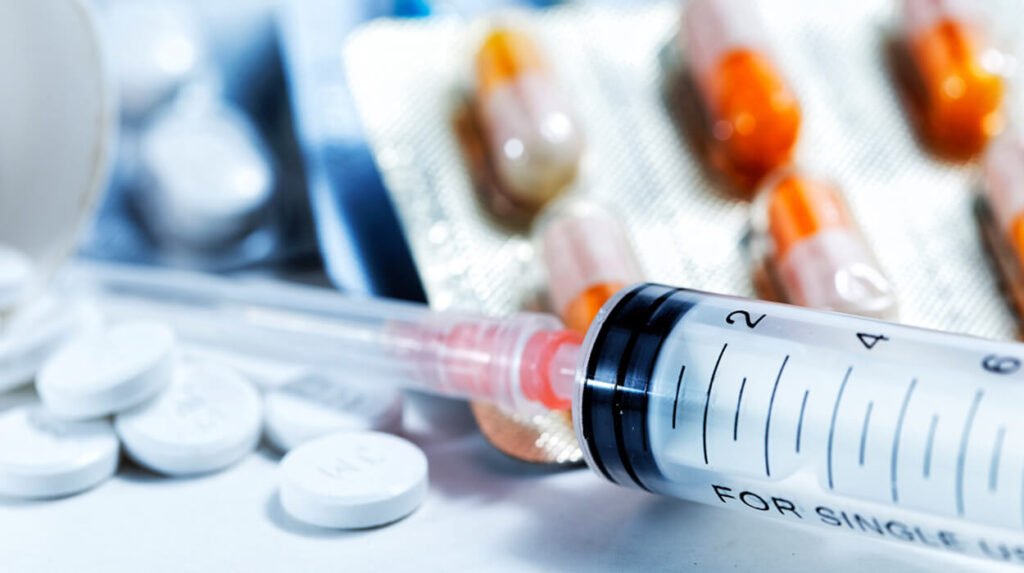
Guided by ultrasound, the doctor inserts a long needle just below the breastbone (sternum) and advances it directly into the pericardial sac. They then suck the blood out with a syringe.
Draining just 20 to 50 milliliters of blood is frequently enough to relieve the pressure, allowing the heart to expand again and blood pressure to return to normal. However, if the heart is still actively bleeding, the sac will refill in minutes.
The Last Resort: Resuscitative Thoracotomy
If the patient with cardiac tamponade loses their pulse (goes into cardiac arrest) in the emergency department, the needle is no longer enough. The only chance for survival is a Resuscitative Thoracotomy (ER Thoracotomy).
This is the most brutal, dramatic procedure in trauma medicine:
- The doctor uses a scalpel to make a massive incision across the entire left side of the chest.
- They cut through the muscles between the ribs.
- They insert a rib spreader (Finochietto retractor) and crank the patient's chest open by force.
- With the heart exposed, they cut open the pericardium with scissors, releasing the trapped blood (an immediate relief of the tamponade).
- The doctor then places their finger directly on the hole in the heart to stop the bleeding and begins massaging the heart with their bare hands.
If the heart restarts, the patient is rushed to the operating room so the wound can be definitively sutured shut.

Frequently Asked Questions (FAQ)
What is the difference between cardiac tamponade and a tension pneumothorax?
Both cause obstructive shock (preventing the heart from beating properly), but the cause is different. Tamponade is blood crushing the heart from inside its own sac. A tension pneumothorax is trapped air in the chest cavity crushing the lungs AND the heart. Treatment for tamponade focuses on the pericardium, while treatment for pneumothorax focuses on decompressing the lung (with a chest tube).
Can tamponade happen without trauma?
Yes. It is called medical tamponade. It can be caused by cancer (tumors bleeding into the pericardium), severe viral infections (pericarditis), kidney failure (uremia), or a ruptured aortic aneurysm. Medical tamponade usually develops more slowly over days, allowing the pericardium to stretch slightly before collapse.
Does an ER thoracotomy always work?
Tragically, no. The survival rate for an emergency room thoracotomy is very low (frequently under 10% overall). It has the highest chance of success in victims of penetrating trauma (stab wounds) who lose their pulse right after arriving at the hospital. For blunt trauma (car crashes), the survival rate is near zero.
Conclusion
Cardiac tamponade is one of the true "life or death in minutes" emergencies in medicine. It is a mechanical race between the pooling blood crushing the heart and the surgeon's blade cutting the sac to set it free.
Thanks to portable ultrasound, modern doctors can see this invisible strangulation happening in real-time, allowing for dramatic, heroic interventions that occasionally bring patients back from the brink of death.
This content is for educational and informational purposes only. It does not replace professional medical advice, diagnosis, or treatment. In case of a medical emergency, call 911/EMS immediately or go to the nearest emergency room.
References: [1] StatPearls: Cardiac Tamponade [2] American College of Surgeons: ATLS Guidelines [3] EMCrit: Emergency Pericardiocentesis [4] UpToDate: Cardiac tamponade