The False Refuge
"Thought she'd taken Xanax, but it was actually fent." — Emergency RoomXanax (the brand name for Alprazolam) is one of the most widely prescribed psychiatric medications in the world. Designed to halt panic attacks and treat severe anxiety disorders, it has gained an almost cultural status as the ultimate pill to "switch off" stress. However, in the emergency room, Xanax presents a much darker facet. It appears in three critical scenarios: accidental overdose (often mixed with alcohol), lethal withdrawal crises, and, more recently, as a Trojan horse for fentanyl in counterfeit street pills. To understand the impact of Xanax in emergency medicine, we must analyze how it alters the fundamental chemistry of the brain.
The Mechanics of Alprazolam: Boosting GABA
Xanax belongs to the class of benzodiazepines (the same family as Librium and Valium). Its mechanism of action revolves around an inhibitory neurotransmitter in the brain called GABA (Gamma-Aminobutyric Acid). GABA is essentially the brain's braking system. When you are anxious or panicking, your neurons are firing too fast. GABA slows down this firing, inducing calmness and sleepiness. Xanax does not produce GABA on its own. Instead, it binds to the GABA-A receptors and makes them much more efficient. When Xanax is present, the body's natural GABA opens chloride channels in the neurons more easily, hyperpolarizing the cell and making it almost impossible for it to fire stress signals. The result is rapid and profound relief from anxiety, often in less than 30 minutes.The Danger of Synergy: Xanax and Alcohol
In isolation, it is surprisingly difficult to have a lethal overdose on Xanax alone. A patient might sleep for two days, but their respiratory drive usually remains intact. The deadly danger in the ER arises from combined central nervous system (CNS) depression. When a patient mixes Xanax with alcohol or opioids, the effect is not additive (1+1=2); it is multiplicative (1+1=5). Alcohol also acts on GABA receptors, but in a slightly different way. Together, they depress the brainstem so severely that the body forgets to breathe, leading to hypoxia, coma, and death.Benzodiazepine Withdrawal: A Life-Threatening Risk
While opioid withdrawal is agonizing, withdrawal from benzodiazepines like Xanax is literally lethal. If a patient takes Xanax daily for months or years, the brain adapts by reducing its own natural production of GABA and decreasing receptor sensitivity. The brain becomes dependent on the pill to maintain electrical stability. If the patient stops taking Xanax abruptly (cold turkey), the brain's "brakes" fail completely. The nervous system goes into uncontrolled hyperactivity. This leads to severe tachycardia, blood pressure spikes, hallucinations, and, most dangerously: Status Epilepticus (continuous, unyielding seizures that can cause brain death). This is why ER doctors frequently have to administer intravenous benzodiazepines (like Ativan or Valium) to save the life of a patient in Xanax withdrawal, planning a supervised, gradual taper later.The Counterfeit Epidemic: "Pressed Pills"
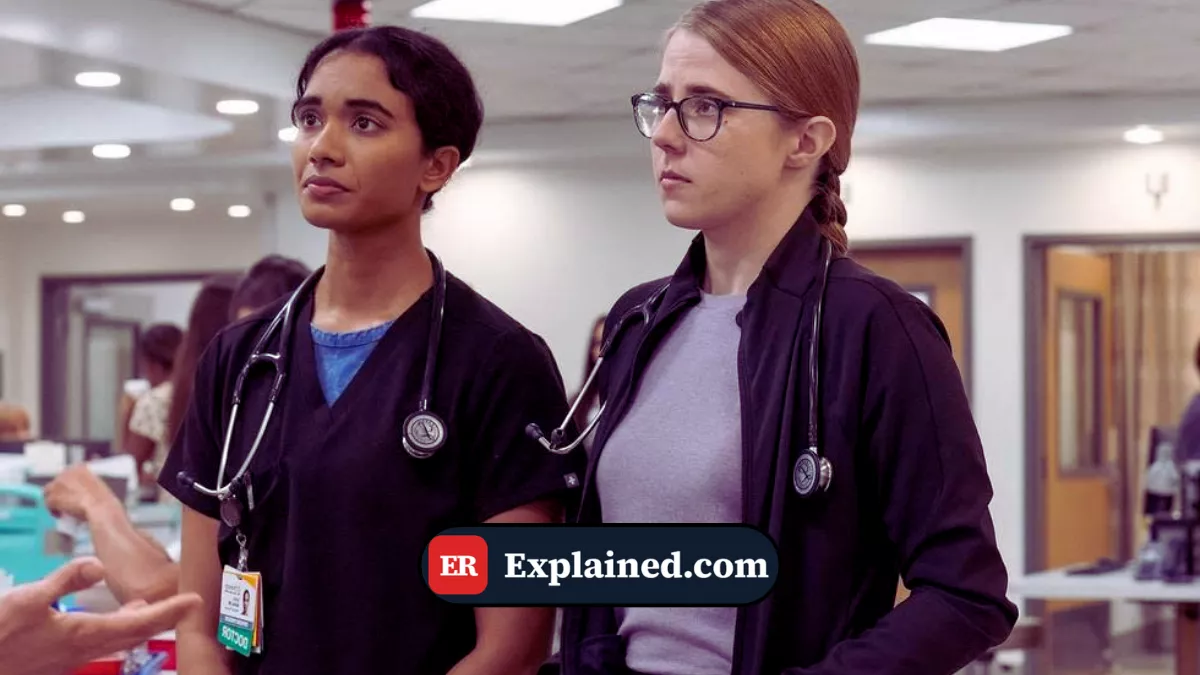
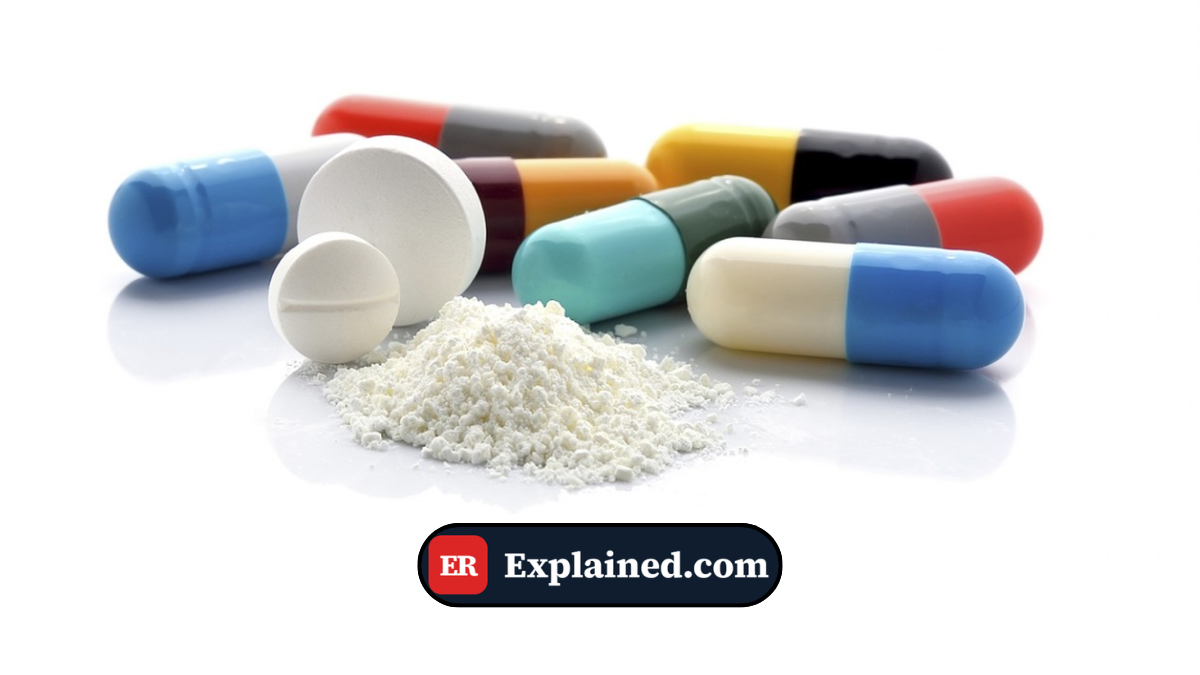
As highlighted in the scene from Episode 3, the greatest current danger involving Xanax doesn't even involve real alprazolam. The high recreational demand for Xanax has created a massive black market for counterfeit pills (known as "pressed pills" or "pressies"). Clandestine labs use industrial pill presses to create pills that look identical to the white bars or blue rectangles of pharmaceutical Xanax (often called "Xanax bars"). The lethal problem is that these fake pills frequently contain zero alprazolam. They are made with cheap filler powder mixed with Fentanyl. The user, seeking anxiety relief or a deep sleep, takes the fake pill. Because their body has no tolerance to potent opioids, they go into respiratory arrest and die before they even realize they were poisoned. This is the reason emergency doctors now treat any street "Xanax" overdose as a fentanyl overdose until proven otherwise, frequently administering Narcan preemptively.
Frequently Asked Questions (FAQ)
Is there an antidote for Xanax overdose?
Yes, there is a medication called Flumazenil (Romazicon) that reverses the effects of benzodiazepines. However, ER doctors rarely use it. Reversing Xanax abruptly with Flumazenil can trigger intractable seizures, especially in chronic users. Instead, the standard treatment is respiratory support and observation until the drug clears the system.Why is Xanax so addictive?
Xanax has a very fast onset of action and a relatively short half-life (about 11 hours). This means it hits the brain quickly, providing immediate relief, but also wears off quickly, causing "rebound anxiety." This rapid cycle of relief and rebound trains the brain to crave the pill repeatedly, leading to physical and psychological dependence.What is the difference between Xanax and Valium?
Both are benzodiazepines, but they differ in duration of action. Xanax (Alprazolam) acts quickly and leaves the body quickly, making it ideal for acute panic attacks but more prone to causing addiction. Valium (Diazepam) acts quickly but has an extremely long half-life (up to 100 hours with its active metabolites), staying in the body for days.Conclusion
Xanax is a double-edged sword in modern medicine. When prescribed properly and used short-term, it is an invaluable psychiatric intervention. But in the emergency department, it is frequently the center of complex crises—whether from lethal mixing with other drugs, life-threatening withdrawal, or as a disguise for illicit fentanyl. The golden rule on the streets today is clear: if it didn't come from a pharmacy with a prescription, it could be a death sentence.This content is for educational and informational purposes only. It does not replace professional medical advice, diagnosis, or treatment. In case of a medical emergency, call 911/EMS immediately or go to the nearest emergency room.
References: [1] StatPearls: Alprazolam [2] Substance Abuse and Mental Health Services Administration (SAMHSA): Misuse of Prescription Drugs [3] Drug Enforcement Administration (DEA): One Pill Can Kill [4] UpToDate: Benzodiazepine poisoning and withdrawal