The Violent Awakening
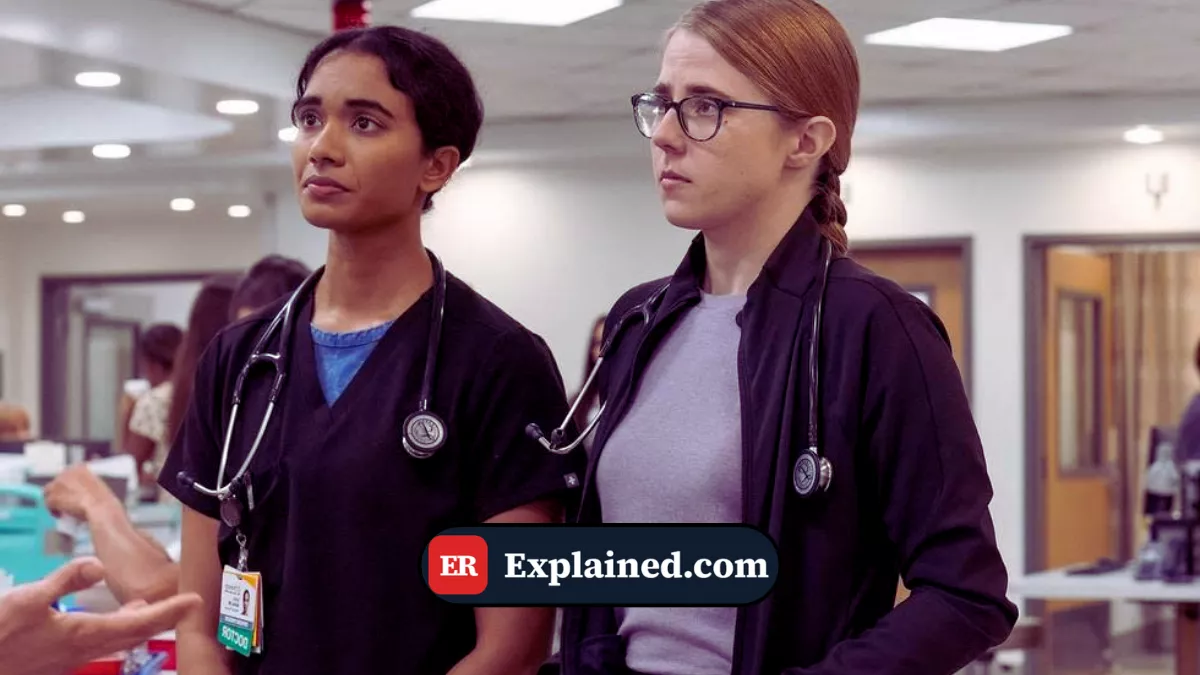
"Pupils pinpoint. I need Narcan. Hold her head back, Javadi. OK... Came to with one spray of Narcan. Welcome back. She's OK." — Emergency RoomOn the front lines of the current opioid epidemic, no drug has saved more lives than Narcan (the brand name for Naloxone). When a patient is brought into the emergency room unconscious, blue (cyanotic), and breathing only two or three times a minute, doctors look for the classic sign: pinpoint pupils. This lethal triad (coma, respiratory depression, and miosis) screams "opioid overdose." The treatment is not surgical; it is chemical. A simple nasal spray or intravenous push of Narcan can reverse impending death in a matter of seconds, bringing the patient back to consciousness with a gasping breath.
The Battle for the Mu Receptors
To understand the miracle of Narcan, we must look at the human brain. Opioids (like heroin, oxycodone, and the deadly fentanyl) create their pleasurable and deadly effects by binding to the mu-opioid receptors in the brain and brainstem. When activated, these receptors block pain and induce euphoria, but they also shut down the body's autonomic drive to breathe. The patient simply "forgets" to inhale oxygen. Naloxone is a pure competitive antagonist. It has a much higher chemical affinity for the mu receptors than the opioids themselves. When administered, Narcan travels to the brain like a molecular battering ram. It literally kicks the fentanyl or heroin off the receptors and occupies the space. Crucially, Narcan binds to the receptor but does not activate it. It acts as a shield, blocking the opioids from doing any harm while the patient's respiratory drive is restored.Administration: Nasal Spray vs. Intravenous
The beauty of Narcan is its versatility and safety. It can be administered in several ways: 1. Intranasal (Spray): As seen in the ER scene, this is the fastest route when no IV access is established. The nasal mucosa is rich in blood vessels, absorbing the drug directly to the brain. It is the version frequently distributed to police and the general public. 2. Intravenous (IV): The gold standard in the hospital. It acts in less than 60 seconds. Doctors frequently give very small, fractionated doses (0.04 mg) to try and restore breathing without waking the patient up completely, avoiding the violent agitation of withdrawal. 3. Intramuscular (IM): Can be injected into the thigh or shoulder if the patient's veins are collapsed due to chronic IV drug use.The Hidden Danger: The Short Half-Life
While Narcan is incredibly effective, it has one dangerous weakness: its half-life is very short. Narcan only lasts about 30 to 90 minutes in the body. The problem is that most opioids (especially methadone or fentanyl patches) last much longer, often 4 to 12 hours. This creates a lethal scenario called renarcotization. The patient wakes up in the ER, feels fine, and frequently demands to leave against medical advice. An hour later, the Narcan wears off. The fentanyl, which is still circulating in the blood, floods the brain receptors again. The patient stops breathing and dies in the hospital parking lot. This is why, in the episode, the doctor insists: "We monitor her heart and breathing for the next few hours to make sure she doesn't need more Narcan." Continuous observation is non-negotiable.Precipitated Withdrawal Syndrome
Narcan is not a pleasant experience for the opioid-dependent patient. When Narcan violently kicks all the opioids off the brain receptors simultaneously, it pushes the patient instantly into severe, acute withdrawal. They wake up from a peaceful sleep into a nightmare of pain, nausea, projectile vomiting, diarrhea, severe tremors, and extreme agitation or combativeness. This is why paramedics and doctors frequently step back from the gurney immediately after pushing a large dose of Narcan—the patient often wakes up swinging, confused and angry that their "high" was stolen.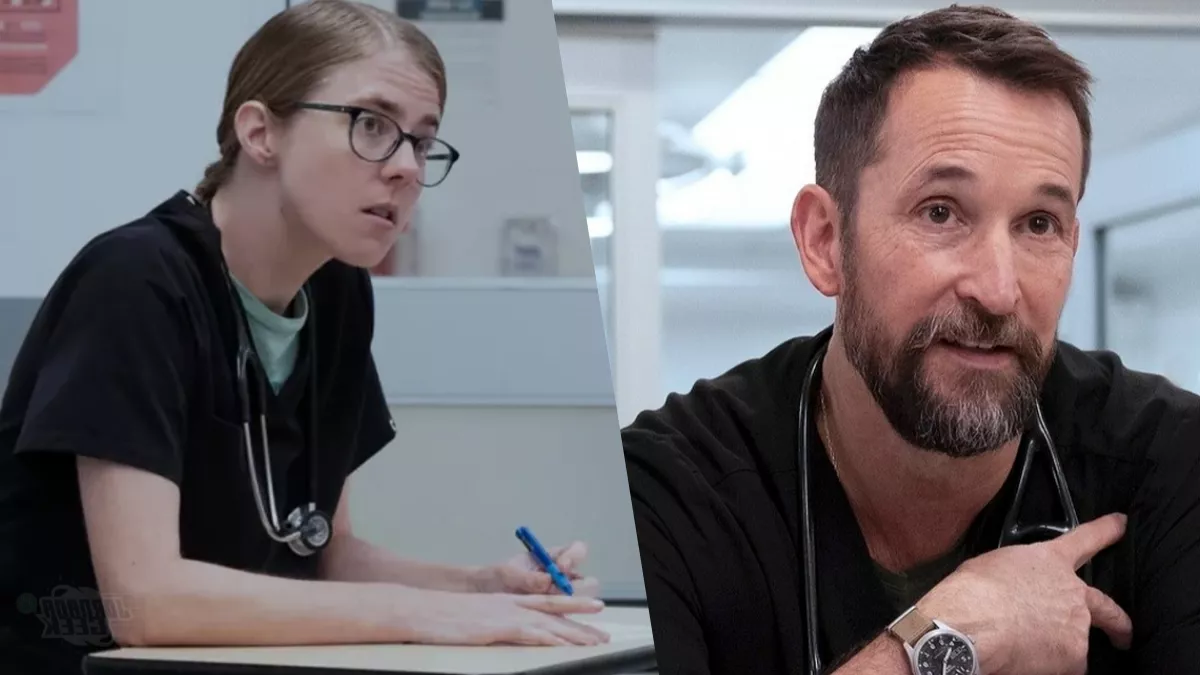
Frequently Asked Questions (FAQ)
Can Narcan hurt someone if they are not having an opioid overdose?
No. This is one of the safest features of the drug. If you give Narcan to someone who is unconscious from a heart attack, stroke, or alcohol poisoning, it will do absolutely nothing. It has no effect on the body unless opioids are present. This is why the general rule is: when in doubt, give Narcan.Does Narcan work against Fentanyl?
Yes, but with a major caveat. Fentanyl is so incredibly potent and binds to the receptors so tightly that a single standard dose of Narcan (4mg nasal or 0.4mg IV) is often not enough. Doctors routinely have to give multiple doses (sometimes up to 10mg or more) to reverse a street-level synthetic fentanyl overdose.Does Narcan work for cocaine or meth overdose?
No. Cocaine and methamphetamine are stimulants that affect the dopamine and norepinephrine systems, not the opioid receptors. Narcan is useless against them. However, because many street drugs today (including fake Xanax pills or cocaine) are secretly laced with fentanyl, Narcan is still often the first step in treating any unknown overdose.Conclusion
Narcan is a triumph of modern pharmacology, offering a literal second chance at life in a matter of seconds. However, it is not a cure for addiction. It is merely a pause button on a lethal crisis. The real work of emergency medicine begins after the patient wakes up: ensuring they survive the drug's half-life and attempting to connect them with addiction treatment services before the next dose proves fatal.This content is for educational and informational purposes only. It does not replace professional medical advice, diagnosis, or treatment. In case of a medical emergency, call 911/EMS immediately or go to the nearest emergency room.
References: [1] Centers for Disease Control and Prevention (CDC): Lifesaving Naloxone [2] StatPearls: Naloxone [3] Substance Abuse and Mental Health Services Administration (SAMHSA): Naloxone [4] UpToDate: Acute opioid intoxication in adults