The Pharmacological Crossroads
"[Resident] The patient is in severe alcohol withdrawal. I'm going to order 50mg of Librium. [Dr. Collins] Stop. Did you look at his labs? His bilirubin is sky-high and he has visible jaundice. His liver is failing. If you give him Librium, he won't wake up for a week. Switch to Ativan." — Emergency Room
In emergency medicine, prescribing the right drug for the right disease is only half the battle. The other, often more dangerous half, is ensuring the patient's body is physically capable of processing and eliminating that drug. When it comes to treating Alcohol Withdrawal Syndrome (AWS), Librium (Chlordiazepoxide) is often hailed as the gold standard due to its long half-life and self-tapering effect. However, there is one critical clinical scenario where Librium transforms from a savior into a potential poison: End-Stage Liver Disease (Cirrhosis). In these cases, doctors must make an immediate switch to Ativan (Lorazepam).
The Biology of Drug Metabolism
To understand why the liver dictates which drug to use, we must explore pharmacokinetics—the journey of a drug through the human body. When a patient swallows a Librium capsule, the drug enters the stomach, is absorbed by the intestines, and travels directly to the liver via the portal vein. The liver acts as the body's chemical factory. Its job is to take the active drug and break it down (metabolize it) into smaller pieces so the kidneys can eventually filter it out and excrete it in the urine.
The Problem with Librium (Oxidative Metabolism)
Librium undergoes an incredibly complex breakdown process called cytochrome P450-mediated oxidative metabolism. The liver doesn't just destroy Librium; it converts it into several other chemicals that are also active (active metabolites). The primary one is desmethyldiazepam. In a healthy liver, this process is an advantage. The active metabolites linger in the blood for up to 200 hours, providing a long, smooth blanket of sedation that prevents withdrawal seizures. But in a patient with severe liver cirrhosis—an extremely common condition in long-term chronic alcoholics—the liver is full of scar tissue. The cytochrome P450 enzymes are depleted. The liver simply cannot process the Librium. The result? The drug and its active metabolites build up in the bloodstream to toxic levels. A dose meant to calm a patient's tremors can push a cirrhotic patient into a deep, drug-induced coma, requiring Endotracheal Intubation to keep them breathing.
The Solution: The "LOT" Rule and Ativan
When emergency physicians face a withdrawing patient with suspected liver failure (indicated by yellow skin/jaundice, a fluid-swollen abdomen from ascites, or abnormal blood tests), they abandon Librium and Valium. Instead, they turn to a simple toxicology mnemonic: LOT. The LOT drugs are the only safe benzodiazepines for failing livers: - Lorazepam (Ativan) - Oxazepam - Temazepam
Why is Ativan (Lorazepam) Safe?
Ativan bypasses the liver's complex oxidative pathways. Instead, it undergoes a much simpler process called glucuronidation. Essentially, the liver just attaches a sugar molecule to the drug, making it water-soluble, and the kidneys flush it out immediately. This glucuronidation process is highly resilient. Even in livers severely damaged by cirrhosis, this chemical pathway usually remains intact. Furthermore, Ativan has no active metabolites. Once the liver attaches the sugar, the drug is inactive. This means no toxic buildup and no prolonged coma. The half-life of Ativan remains a predictable 10 to 20 hours, regardless of liver damage.
Spotting Liver Failure in the ER
The decision to switch from Librium to Ativan often must be made in minutes, before blood tests even return from the lab. Doctors look for classic physical signs of cirrhosis: - Jaundice: Yellowing of the skin and the whites of the eyes (sclera) due to bilirubin buildup. - Ascites: A massively swollen, fluid-filled abdomen. - Spider Angiomas: Small, spider-like red blood vessels on the skin. - Palmar Erythema: Abnormally red palms of the hands. - Hepatic Encephalopathy: Profound confusion and a flapping hand tremor (asterixis) caused by ammonia buildup in the brain. If any of these signs are present, the doctor will assume the liver is compromised and choose Ativan. If the patient is a younger, healthier alcoholic with no signs of liver damage, Librium remains the superior choice due to its smoother tapering effect.
The Complexity of Dosing with Ativan
Switching from Librium to Ativan solves the liver problem, but it creates a new challenge for the nursing staff. Because Ativan is shorter-acting and lacks prolonged active metabolites, it does not provide the 5-day protective "blanket" that Librium does. The patient is much more likely to experience "breakthrough" withdrawal symptoms. Therefore, when Ativan is used for alcohol detox, nurses must be far more vigilant. The patient will require smaller, but much more frequent doses (often every 1 to 2 hours), strictly guided by the CIWA-Ar scoring protocol, to ensure the drug levels do not suddenly drop, which could trigger a seizure.
Frequently Asked Questions (FAQ)
Does Librium cause liver damage?
No. It is a common misconception that Librium is "toxic to the liver" (hepatotoxic). Librium does not damage the liver. The problem is that a liver already damaged by alcohol cannot process the Librium, leading to an accidental overdose of the drug.
If Ativan is safer for the liver, why not use it for all patients?
Librium is preferred for patients with healthy livers because its long-acting metabolites create a natural "soft landing." With Ativan, the medical staff has to manually create that soft landing by meticulously dosing the drug over several days. Librium is simply easier, smoother, and requires fewer nursing interventions in healthy patients.
How is Ativan administered in the ER?
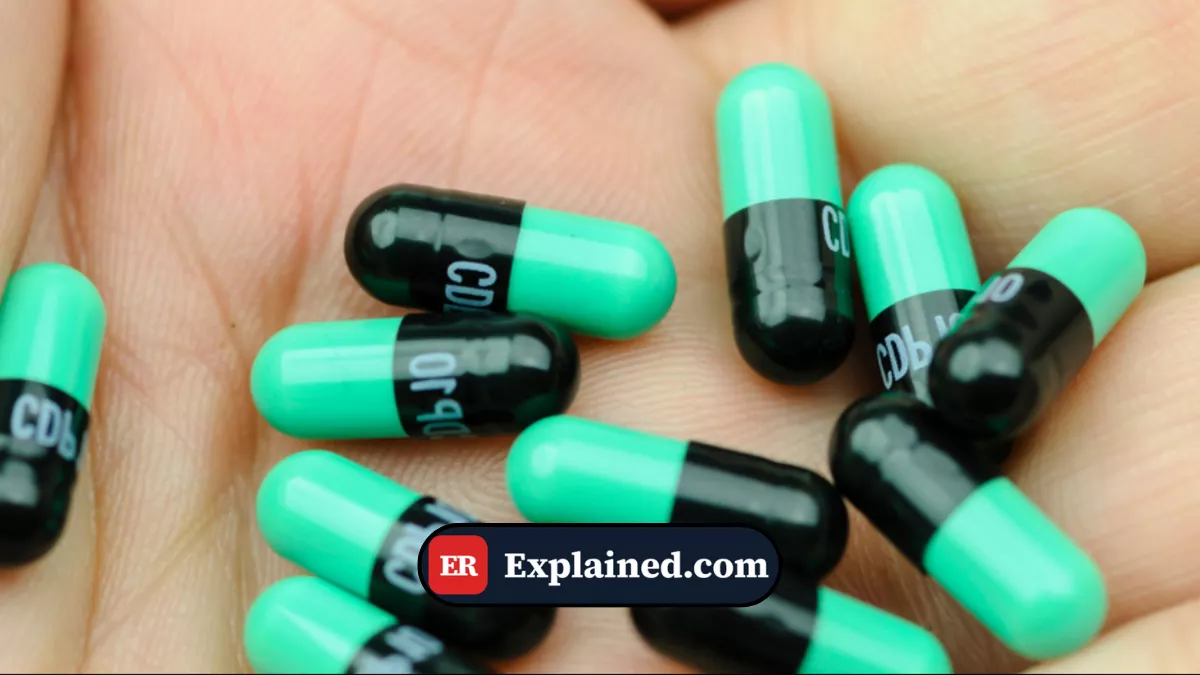
Unlike Librium, which is almost exclusively given in oral capsules, Ativan is highly versatile. It can be given orally, but in severe emergencies (like a patient actively seizing), it can be pushed directly into an IV Catheter or even injected deep into the muscle (intramuscularly), with rapid and reliable absorption.
Conclusion
The choice between Librium and Ativan in the emergency room is a perfect example of precision pharmacology. It is not just about treating the symptom (alcohol withdrawal); it is about treating the whole patient. By recognizing the signs of liver cirrhosis and understanding the profound differences in how these drugs are metabolized, emergency physicians prevent turning a withdrawal crisis into a lethal, drug-induced coma.
This content is for educational and informational purposes only. It does not replace professional medical advice, diagnosis, or treatment. In case of a medical emergency, call 911/EMS immediately or go to the nearest emergency room.
References: [1] UpToDate: Management of moderate and severe alcohol withdrawal syndromes [2] StatPearls: Lorazepam [3] American College of Emergency Physicians (ACEP): Alcohol Withdrawal Clinical Policy [4] American Association for the Study of Liver Diseases (AASLD): Hepatic Encephalopathy Guidelines