When the Cure Becomes the Poison
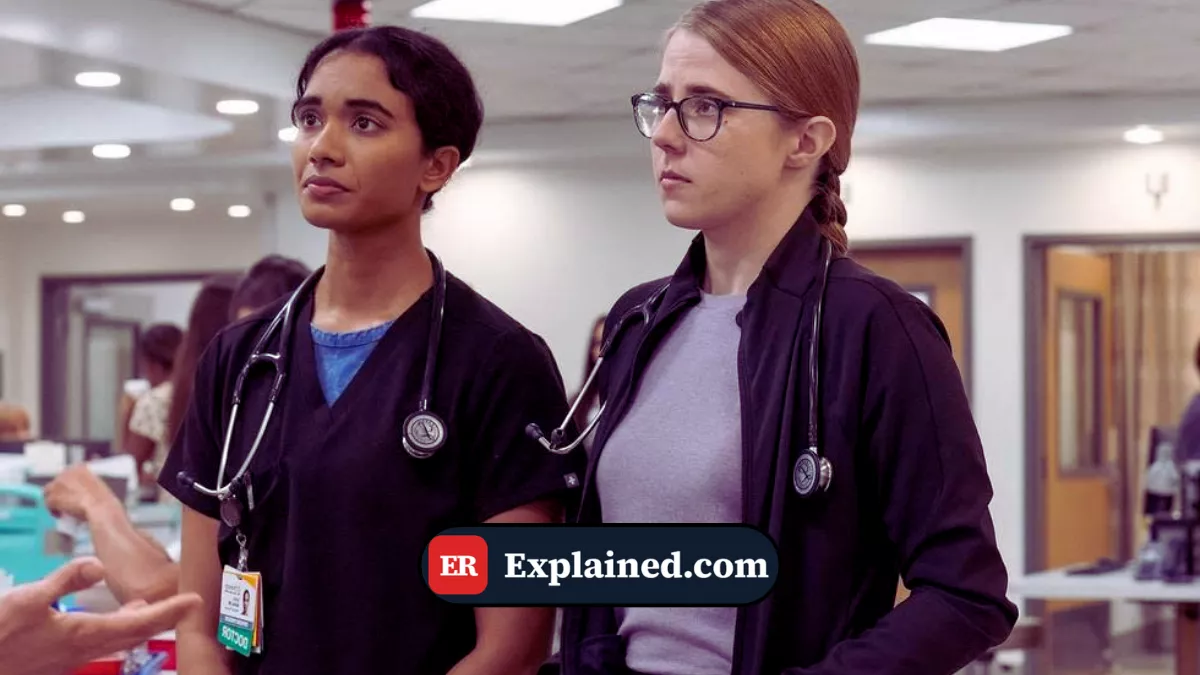
"[Nurse] The patient in bed 3, who we brought in for a mixed ingestion, isn't waking up. Respiratory rate dropped to 6. He had Librium and Fentanyl in his system. [Intern] Should we push Flumazenil to reverse the Librium? [Dr. Collins] Absolutely not. If you give Flumazenil to a chronic alcoholic, he will have a seizure we cannot stop. Give Narcan for the Fentanyl and get the intubation gear ready." — Emergency RoomLibrium (Chlordiazepoxide) is undisputedly a lifesaving drug when it comes to treating alcohol withdrawal syndrome. However, like all potent medications in the emergency room, it has a pharmacological "dark side." When taken in massive excess, or more commonly, when mixed with other substances, Librium can cause profound respiratory depression and coma. But what makes Librium overdose truly unique (and terrifying) for emergency physicians is not the overdose itself, but rather the controversy surrounding its antidote. While opioid overdose has a simple "miracle cure" in the form of Narcan (Naloxone), the antidote for benzodiazepines—Flumazenil—is so dangerous that many ER doctors refuse to use it.
The Physiology of a Librium Overdose
By itself, it is surprisingly difficult to have a fatal overdose on Librium alone. Benzodiazepines have a "ceiling" of efficacy. They enhance the efficiency of GABA (the brain's inhibitory neurotransmitter), but they cannot open the cells' chloride channels on their own. Once all the body's natural GABA is being used, taking more Librium does not significantly deepen the coma. The lethal danger arises through synergistic toxicity. This occurs when a patient mixes Librium with other central nervous system depressants, most notably alcohol or opioids (like heroin, oxycodone, or fentanyl). While Librium is enhancing GABA, the alcohol is directly activating the receptors, and the opioids are shutting down the respiratory centers in the brainstem. The combined effect crushes the patient's drive to breathe. Breathing becomes shallow and infrequent (bradypnea), carbon dioxide levels rise in the blood (hypercapnia), and the patient eventually goes into respiratory arrest, followed by Cardiac Arrest due to lack of oxygen.The Paradox of Flumazenil (Romazicon)
In medical theory, benzodiazepine overdose has an elegant solution: Flumazenil. Given intravenously, Flumazenil acts as a competitive antagonist. It travels to the brain, physically "kicks" the Librium off the GABA receptors, and occupies the space without activating the receptor. The patient wakes up in minutes. So why did Dr. Collins strictly forbid its use in the scene from The Pitt? The answer lies in the concept of physiological dependence.The Risk of Intractable Seizures
The vast majority of patients who overdose on Librium in the ER do so because they already have a history of substance abuse (often chronic alcohol or pill dependency). The brains of these patients have adapted to the constant presence of depressants. If a doctor gives Flumazenil to a patient who is physically dependent on benzodiazepines or alcohol, the antidote instantly rips the chemical "brake" off the brain. The brain, already overstimulated from the underlying withdrawal, violently short-circuits. The patient will immediately go into Status Epilepticus—a state of continuous, lethal seizing. Here is the true nightmare: the first-line treatment for seizures in the ER is benzodiazepines (like Ativan). But because the doctor just flooded the patient's brain receptors with Flumazenil (which blocks benzodiazepines), the anti-seizure drugs will no longer work. The doctor has created a seizure that cannot be treated with standard methods, often forcing the team to paralyze the patient with Rocuronium and put them into a Propofol-induced coma just to save their life.How Do Doctors Treat Librium Overdose Then?
Because of the catastrophic risks of Flumazenil, emergency toxicologists have developed a treatment protocol focused entirely on "Supportive Care" rather than chemical reversal. 1. Securing the Airway (The Primary Focus): Death from Librium overdose happens from asphyxiation, not direct organ damage. If the patient is breathing but unconscious, they are placed in the recovery position and monitored closely. If breathing drops to dangerous levels, the doctor will perform an Endotracheal Intubation and place the patient on a mechanical ventilator. The machine breathes for them until their liver processes the drug. 2. Treating Co-Ingestions: As seen in the scene from The Pitt, if there is any suspicion that opioids are mixed with the Librium, the doctor will give Narcan liberally. Narcan is safe and will reverse the opioid portion of the coma, often improving breathing enough to avoid intubation. 3. Gastric Lavage and Activated Charcoal? These are outdated practices that are rarely used today. "Pumping the stomach" (gastric lavage) carries a massive risk of the patient inhaling vomit into their lungs (aspiration). Activated charcoal is only given if the patient arrives within 1 hour of swallowing the pills and is still awake enough to drink the thick black liquid safely.Common Side Effects and "Paradoxical Effects"
Even when Librium is taken correctly at therapeutic doses, it carries notable side effects due to its long half-life. Patients frequently experience prolonged drowsiness, dizziness, and a lack of motor coordination (ataxia), making it dangerous to drive or operate machinery for days after treatment. Interestingly, a small percentage of patients (especially the elderly or children) experience what is called a Paradoxical Reaction. Instead of becoming calm and sedated, the Librium makes them extremely agitated, aggressive, hyperactive, and confused. The exact mechanism is not fully understood, but it is thought to be similar to how alcohol can lower social inhibitions and cause aggressive behavior in some people before causing sleep.
Frequently Asked Questions (FAQ)
Is there any situation where Flumazenil is used?
Yes, but rarely. Flumazenil is primarily used in "iatrogenic" (doctor-caused) overdoses. For example, if a healthy patient (with no history of drug dependency) is given too much Midazolam during a colonoscopy and stops breathing, the anesthesiologist can safely give Flumazenil to wake them up, because there is no underlying withdrawal seizure risk.How long does a Librium overdose last?
Because of the incredibly long half-life of Librium and its active metabolites (up to 200 hours), a patient in a Librium-induced coma can remain unconscious or severely sedated for several days, requiring prolonged ICU admission and ventilator support.Is Librium safe for the elderly?
Generally, no. The liver and kidneys of elderly patients process drugs much more slowly. Librium can build up in their systems, causing profound confusion and a massive risk of falls and hip fractures. For elderly patients in alcohol withdrawal, doctors strongly prefer very low doses of Ativan (Lorazepam).Conclusion
The cautious approach to Librium overdose in the emergency room highlights one of medicine's oldest tenets: Primum non nocere (First, do no harm). While a doctor's instinct is often to "reverse" a coma with an antidote, a deep understanding of the neurochemistry of addiction dictates that simple mechanical support is often far safer than the chemical warfare of Flumazenil. By managing the airway and allowing time to do its work, physicians can safely guide patients through the shadows of a benzodiazepine overdose.This content is for educational and informational purposes only. It does not replace professional medical advice, diagnosis, or treatment. In case of a medical emergency, call 911/EMS immediately or go to the nearest emergency room.
References: [1] UpToDate: Benzodiazepine poisoning and withdrawal [2] StatPearls: Flumazenil [3] American College of Emergency Physicians (ACEP): Clinical Policy [4] American Association of Poison Control Centers (AAPCC)