The Chest Pain Protocol
"He's having a massive heart attack. An anterior STEMI. Give him aspirin and nitro, stat." — Emergency Room
When a patient walks through the doors of the emergency department clutching their chest, sweating profusely, and reporting pain radiating to their jaw or left arm, an invisible clock starts ticking. The presumptive diagnosis is an Acute Myocardial Infarction (heart attack). Before the doctor even reaches the bedside, the triage nurse has frequently already performed the most critical, life-saving pharmacological intervention of the entire event. She does not push a thousand-dollar experimental drug; she hands the patient four small, 81mg baby pills and says one crucial word: "Chew." Aspirin (Acetylsalicylic Acid) is the undisputed cornerstone of acute coronary syndrome management. It is cheap, ubiquitous, and reduces heart attack mortality by nearly 25%—a statistical feat that most modern drugs can only dream of achieving.
The Pathophysiology of an Infarct: The Plaque and the Clot
To understand why aspirin is so vital, we must understand what is killing the patient. A heart attack is not just a clogged pipe. It begins when a cholesterol plaque (atherosclerosis) inside a coronary artery ruptures or tears. The body perceives this rupture the same way it perceives a cut on your finger: it panics and tries to stop the "bleeding." Platelets (small cell fragments in the blood responsible for clotting) rush to the site of the rupture. They begin to stick to each other and to the vessel wall, forming a plug. On a cut finger, this is great. Inside a 3-millimeter-wide coronary artery, this is lethal. The platelet clot grows rapidly, completely blocking the flow of oxygen-rich blood to the heart muscle. The muscle begins to suffocate and die. This is what causes the crushing chest pain.
The Mechanics of Aspirin: The Antiplatelet Agent
Aspirin does not dissolve the clot that has already formed (that is a job for thrombolytic drugs or catheterization surgery). Aspirin's role is to stop the clot from growing. Aspirin is an irreversible inhibitor of the cyclooxygenase-1 (COX-1) enzyme. Platelets use COX-1 to produce a chemical called Thromboxane A2, which acts as a radio signal calling for more platelets to come and clump together. When the patient chews the aspirin, it quickly enters the bloodstream and permanently destroys the COX-1 enzyme in the platelets. The radio signal is cut off. The platelets lose their "stickiness" (aggregation). They flow right past the ruptured plaque without attaching to it. The clot stops growing, buying vital time for the patient to reach the cath lab for the physical opening of the artery.
Why Chew Instead of Swallow?
The instruction to "chew and swallow" is not just a preference; it is critical physiology. When you swallow a pill whole, it must travel down to the stomach, be broken down by gastric acid, pass into the small intestine, and finally be absorbed into the bloodstream. This can take 30 to 45 minutes. In a heart attack, "time is muscle." Every minute of delay means more heart muscle death. By chewing the aspirin, the patient crushes it into a fine powder. Much of the drug is absorbed directly through the abundant blood vessels under the tongue (sublingual absorption) and in the lining of the mouth, bypassing the slow digestive process. Platelet inhibition begins in less than 5 minutes.
The Magic Dosage: 324 mg
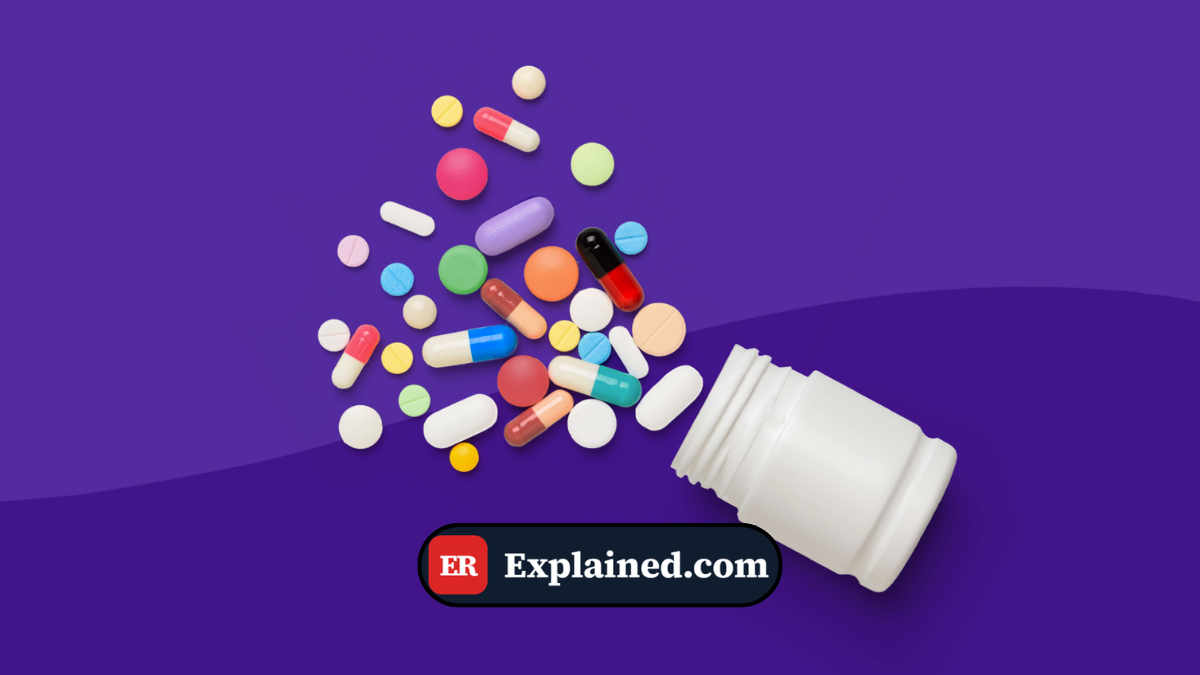
The global standard dose for a suspected heart attack is 162 mg to 325 mg of aspirin. In the United States and many other countries, "baby" (low-dose) aspirin comes in 81 mg chewable tablets. Therefore, the standard ER order is almost always to give four 81 mg tablets (totaling 324 mg). Non-enteric coated chewable tablets are preferred. Enteric-coated aspirin (designed to protect the stomach by dissolving only in the intestine) is strictly avoided during the acute phase of a heart attack because its absorption is dangerously slow, even when chewed.
Frequently Asked Questions (FAQ)
What if the patient already took a daily aspirin at home?
This is a common occurrence. If the patient took their daily 81 mg dose that morning and arrives in the ER with chest pain in the afternoon, the protocol still dictates that they receive the full loading dose (324 mg) chewed. The immediate need for total platelet inhibition outweighs the risk of overmedication.
Is aspirin safe for all chest pain patients?
Aspirin is withheld only if the patient has a true, documented allergy (anaphylaxis) to aspirin, or if there is a strong suspicion of an aortic dissection (a lethal tear in the body's main blood vessel) instead of a heart attack, as aspirin would worsen the massive internal bleeding. The risk of gastrointestinal bleeding is ignored during the acute event in order to save the heart.
Can Tylenol (Acetaminophen) or Ibuprofen replace aspirin?
NO. Tylenol and Ibuprofen are pain relievers and fever reducers, but they do not possess the strong, irreversible antiplatelet properties of aspirin. Taking Tylenol during a heart attack will do absolutely nothing to stop the clot from growing in the coronary artery.
Conclusion
In the era of high-tech medicine, where helicopters fly patients to robotic catheterization labs, the humble chewable aspirin tablet remains the unsung hero of emergency cardiology. The ability of this simple, century-old drug to halt the lethal biological process of a heart attack in a matter of minutes makes it the most important pharmacological intervention in the cardiac chain of survival.
This content is for educational and informational purposes only. It does not replace professional medical advice, diagnosis, or treatment. In case of a medical emergency, call 911/EMS immediately or go to the nearest emergency room.
References: [1] StatPearls: Aspirin [2] American Heart Association (AHA): Guidelines for the Management of Patients With STEMI [3] UpToDate: Initial evaluation and management of suspected acute coronary syndrome [4] Centers for Disease Control and Prevention (CDC): Heart Attack Symptoms, Risk, and Recovery